Back to home page
-
  • Quick bites
  • Team talk

friday night feasts.

2 mins read • October 8th, 2026

By Jana Mather, Head of Marketing and Communications

By Friday evening, I’m usually running on fumes.

After a busy week of work, school drop offs, activities, lunchboxes, laundry and everything else that comes with raising two young girls, the last thing I want to do is spend hours cooking dinner. But I also know that Friday night is one of the few times in the week when we can all slow down, sit together and genuinely connect.

That’s why Friday Night Feast has become one of our favourite family traditions.

More than just dinner

Friday Night Feast isn’t really about the food. It’s about creating a moment at the end of a busy week where we can gather around the table, share stories, laugh, and enjoy each other’s company.

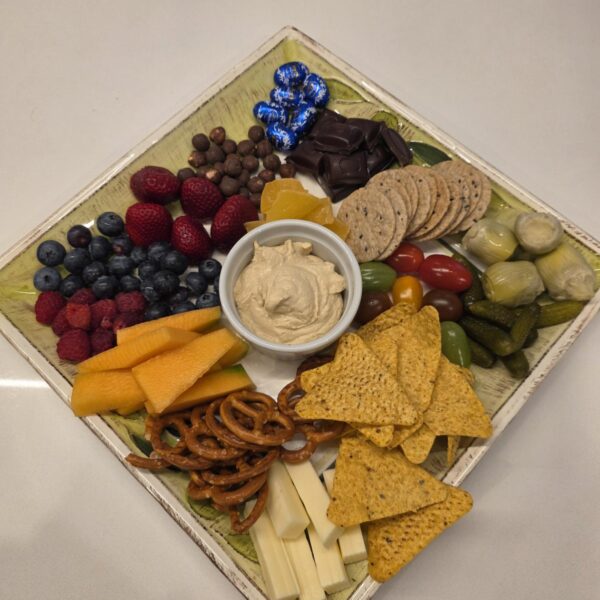
Removing the pressure of cooking a traditional meal has been a game changer. Instead of worrying about preparing multiple dishes, I pull together a collection of nutritious foods that everyone can enjoy.

Some weeks it’s a giant platter overflowing with colourful produce and family favourites. Other weeks it’s a collection of small plates spread across the centre of the table, creating an almost tapas style experience where everyone can help themselves.

The girls absolutely love it because it feels different and special. I love it because it’s simple.

The five food groups are always invited

One of my goals as a mum is to help my daughters develop a positive relationship with food and become confident trying different foods, colours and textures.

That’s why I always make sure our Friday Night Feast includes foods from all five food groups.

The real stars of the table are always the fruit and vegetables.

You can usually find some combination of:

  • Carrot sticks
  • Cucumber slices
  • Snow peas
  • Cherry tomatoes
  • Capsicum strips
  • Fresh corn
  • Avocado
  • Apple slices
  • Grapes
  • Strawberries
  • Seasonal fruit

Sometimes the vegetables are fresh and crunchy. Other times they’re roasted until caramelised and sweet. And I’m also a big fan of using canned vegetables when I need convenience. Corn, beetroot, chickpeas and beans regularly make an appearance.

The beauty of a feast-style meal is that everything has a place.

Want to learn more?

Discover our Love the five food groups resource here!

The girls help plan the feast

One of my favourite parts of the tradition is involving the kids in the planning.

Each week, they choose a few things they would like included. Sometimes it’s as simple as requesting strawberries or cucumber. Other times they surprise me with something completely different.

Having ownership over the menu makes them more engaged and excited about dinner.

It also opens up conversations about nutrition, different foods and where food comes from.

Sometimes we have themes

To keep things interesting, we occasionally create themed feasts.

We might have:

  • Rainbow Feast Night
  • Mediterranean Feast
  • Picnic Feast
  • Breakfast for Dinner Feast
  • Green Feast
  • Australian Summer Feast

The themes don’t need to be elaborate. They simply make the meal feel fun and encourage us to try new foods.

Why it works

Friday Night Feast works because it takes away the stress while keeping what matters most.

There is less cooking.

Less pressure.

Less negotiating about what’s for dinner.

And more connection.

At the end of a busy week, the feast becomes our signal to slow down. We gather around the table, share food, talk about our week and spend quality time together as a family.

The food nourishes our bodies, but the ritual nourishes something just as important.

In a world where everyone seems to be rushing from one thing to the next, our Friday Night Feast reminds us to pause, connect and celebrate the simple joy of being together.

About Jana Mather

Head of Marketing and Communications

Jana Mather is the Head of Marketing & Communications at the National Nutrition Foundation, where she leads the organisation’s marketing, communications, brand, digital strategy and stakeholder engagement activities across multiple national health and nutrition programs.

With extensive experience in strategic communications, digital marketing and public health promotion, Jana works to translate evidence based nutrition initiatives into engaging campaigns, resources and partnerships that create meaningful impact for communities across Australia. She oversees content strategy, websites, social media, publications, media engagement and marketing campaigns, while identifying opportunities to strengthen partnerships, advocacy efforts and organisational growth.

Passionate about improving health outcomes through effective communication, Jana combines strategic thinking with a strong focus on innovation, user experience, accessibility and data driven decision making. At NNF, Jana also contributes to organisational strategy and supports initiatives that advance nutrition education, food literacy and chronic disease prevention across Australia.

Connect with Jana on LinkedIn

More articles by Jana Mather
Site by Sod