By Nina Evans, Program Officer
Nothing says love what you eat quite like spending time among the plants, hands in the dirt, and a full heart.

By Nina Evans, Program Officer
Nothing says love what you eat quite like spending time among the plants, hands in the dirt, and a full heart.
Two years ago, my partner and I were lucky enough to get a plot at our local community garden. We came to experiment with growing produce and for a little patch of sunshine among the hills of Melbourne’s east but have stayed because of so much more.
Research tells us that community gardens can have positive social, environmental and overall health outcomes. And while I knew this in theory, I don’t think I really understood the impact until I experienced it firsthand.
It has also been a wonderful reminder that food isn’t just food. It’s community, connection and culture.
I arrived as a complete novice, someone who struggled to keep plants alive (otherwise known as a brown thumb). Since then, I’ve become somewhat of a green thumb and gained so much more than gardening skills.
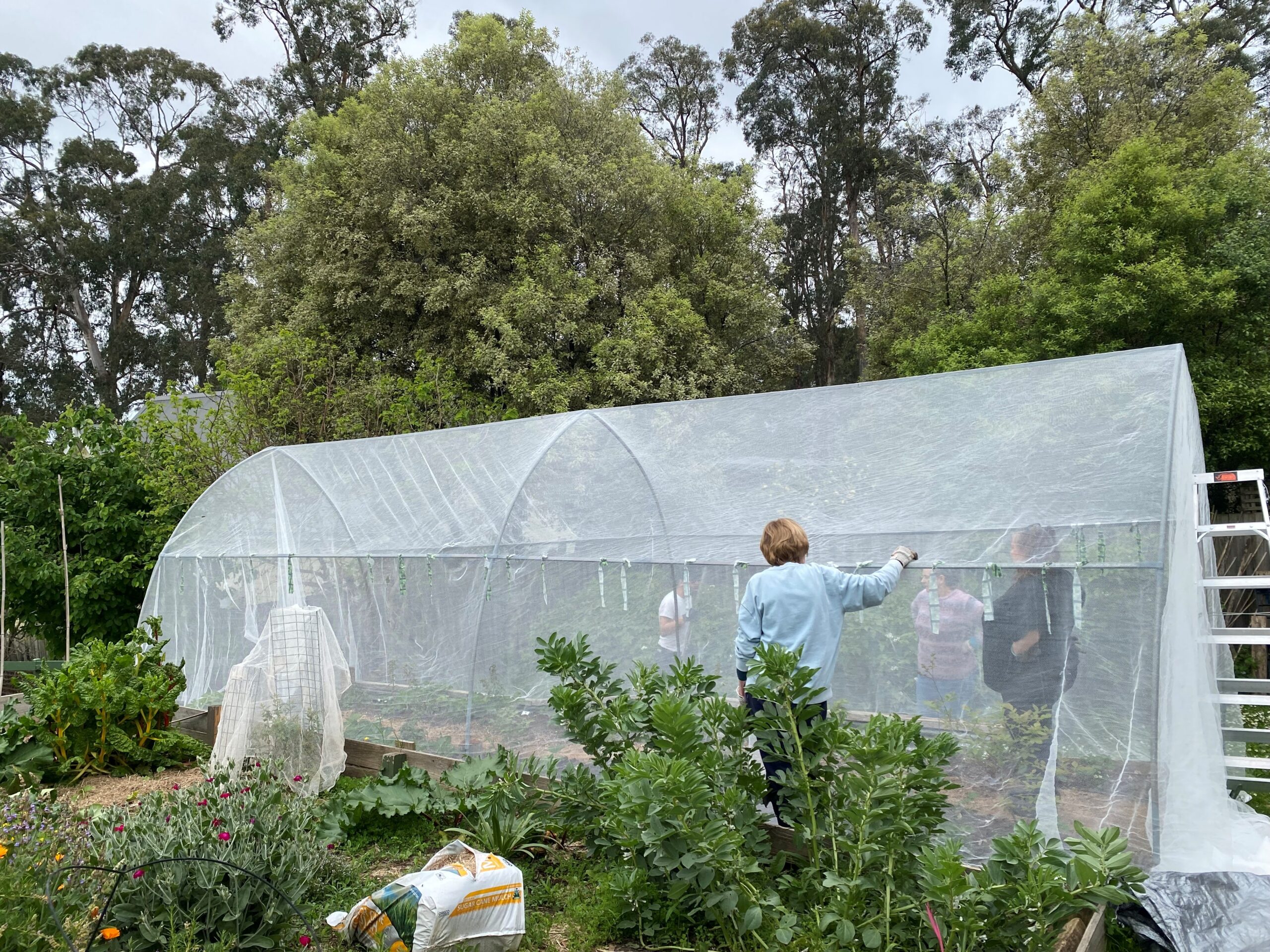
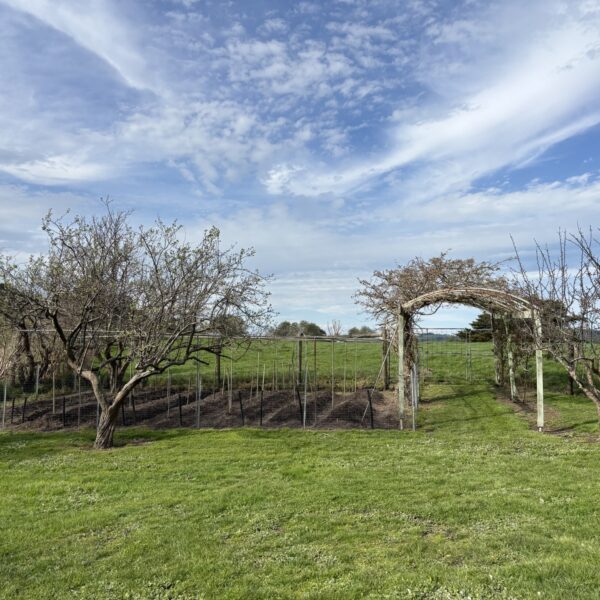
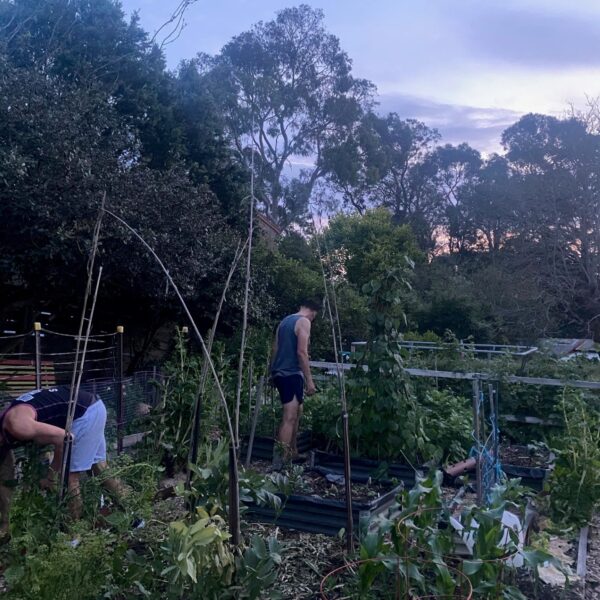
Our garden has 20 plots, as well as a shared fruit orchard, berry patch and flower garden. Each month, we have community working bees, bringing everyone together to maintain and care for our shared space.
One of the things I love the most about the garden is the intergenerational and cultural exchange. Young families, retirees and people from different backgrounds coming together through a shared love of plants, food and growing your own.
I love seeing the kids running through the berry patches, and watching retirees connect over grapefruit marmalade recipes. While the garden is growing, so is our sense of community and our connection.
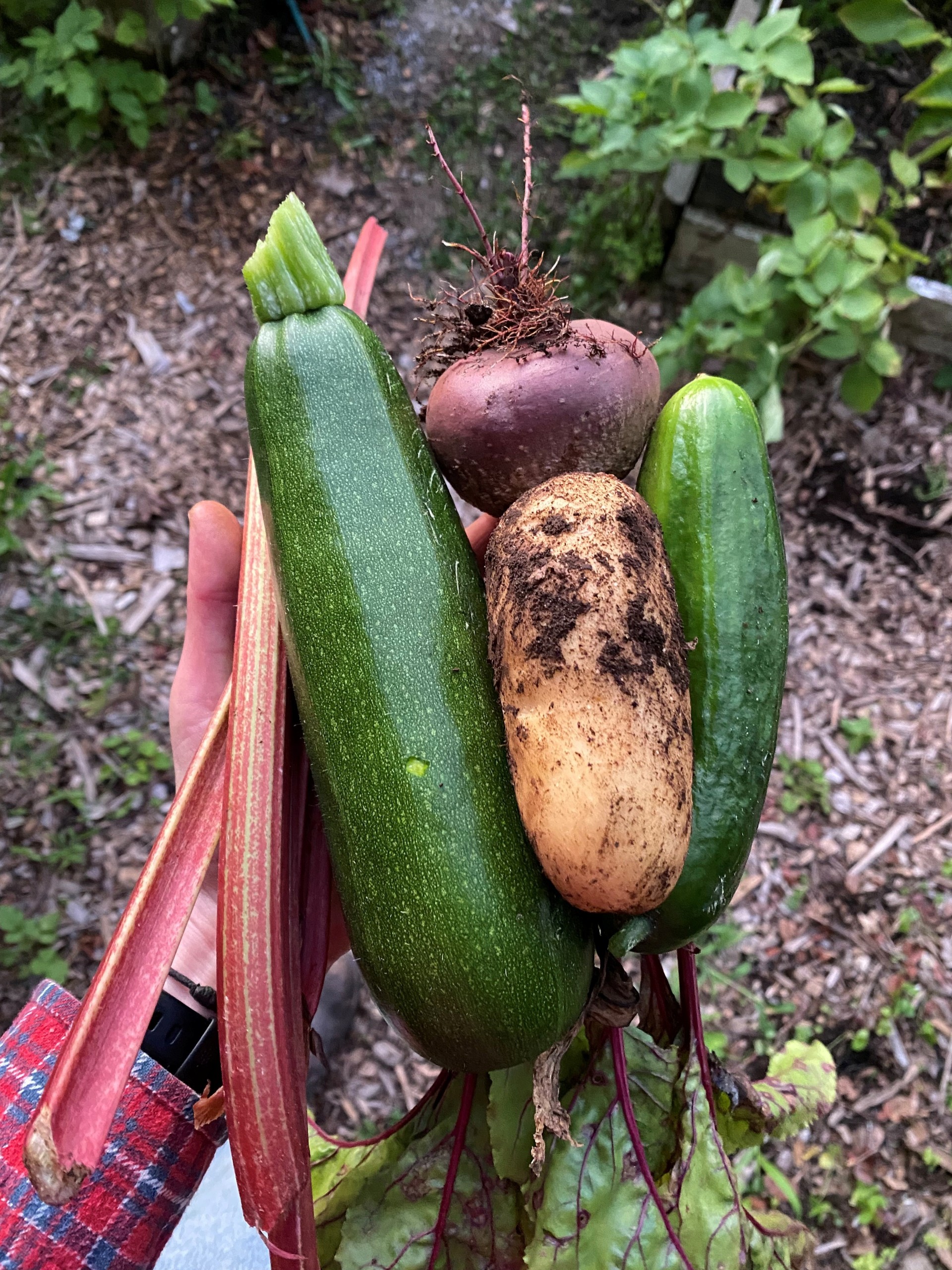
It shows up when we’re sharing recipes when there’s an abundance of zucchinis, when we’re swapping pruning tips, and when we’re going home with some greens we didn’t grow ourselves.
While the social connection is a huge part of what makes the garden special, it’s also our growing knowledge of sustainable food practices. We eat more plants, we compost, we use tank water, we grow heirloom varieties, we share our locally grown produce and collectively reduce our carbon footprint.
Our appreciation for food in general also grows. There’s something in growing your own vegetables. They grow only with time, effort and a whole lot of nurturing. The hours spent tending the soil, pulling weeds, fending off bugs, watering, and pruning only help you appreciate where food comes from.
While I’m incredibly fortunate to have a plot at our community garden, you don’t need one to experience this connection between plant, people and plate.
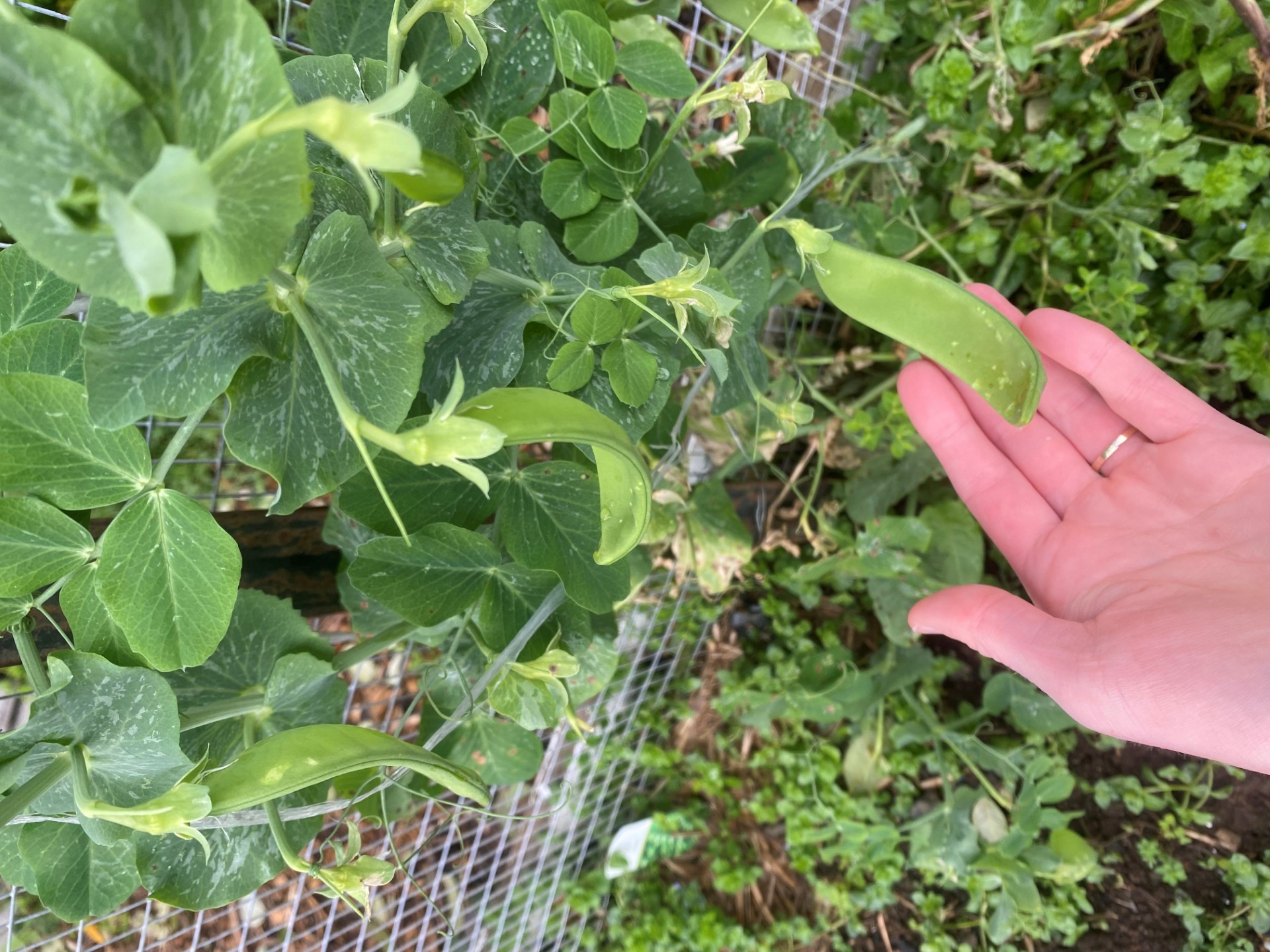
Sometimes, all you need is a sunny windowsill. Herbs can be grown in jars, microgreens can be grown from shop-bought seeds, such as chia, and tomatoes, lettuce, or spring onions can thrive in containers.
So here’s your little nudge to grow something, share something or swap something. You never know what might grow alongside it!
Explore our ‘love what you grow’ resource!
As a Program Officer at the National Nutrition Foundation, Nina contributes to the Healthy Eating Advisory Service and other nutrition initiatives, working alongside local governments, health professionals, and community organisations. Her role involves delivering programs that help organisations turn healthy eating policies and evidence into meaningful, sustainable change within their food environments.
Continue exploring and discover fresh insights, expert tips, and the latest news from our nutrition team.