Back to home page
-
  • Research

creating opportunities open doors for growth.

4 min read • August 11th, 2026

What the survey found

A recent survey from The Royal Children’s Hospital found many Australian teens want to learn how to cook, but aren’t consistently provided with opportunities to grow those skills. The evidence revealed opportunities to support build cooking skills, food literacy, and access to trustworthy nutrition information among teens.

But who can provide support?

Why cooking confidence matters

Teens want to learn how to cook. And so giving them the chance to, through food experiences, can help boost their confidence and connection with food.

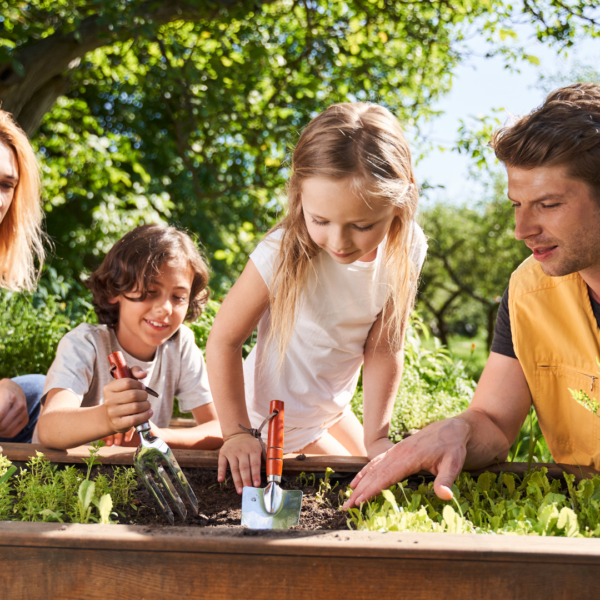
Our families can be key role models to support and shape confidence by providing learning experiences:

  • Family planning and preparing meals, for example, cutting or accurately measuring out ingredients.
  • Guided cooking demonstrations such as proper safety cooking temperatures and methods.
  • Grocery shopping together provides sensory experience of new ingredients.

For me, and for many others, family can support us to grow comfortable with everyday kitchen skills at home.

The challenge of nutrition misinformation

It’s likely non-experts on social media sharing unreliable nutrition information, is behind why teens are being misled to overly prioritise the high protein diet trend. To help stop the spread of untrustworthy and misleading claims, we need more qualified voices posting on social media to ensure teens are receiving trustworthy, evidence-informed advice.

This goes a long way in shaping an online food environment where young people feel safe and confident in accessing honest information.

Building food literacy among young people

Food literacy is more than knowing fancy words; it relates to making routines required to manage, select, prepare, and eat nutritious food, easier. Today, food industry practices hugely shape environments that impacts this.

These are a few of many ways food companies can build positive food environments to support food literacy:

  • Implement easy to read nutrition labels.
  • Ingredient transparency.
  • Expanding on nutritious options.
  • Avoid making false claims and misleading digital marketing campaigns.

How schools can help

School settings are a great place to build positive culture around nutritious eating and relationship with food for young people. It can help strengthen cooking skills, food literacy, and accessibility to honest information.

Some ideas of support:

  • Family-focused education for parents to support their kids learning at home.
  • Hands-on practical experiences covering cooking basics.
  • Readily available interactive, discussion-driven, and printed activity sheets.
  • Structured workshops on nutrition, or food safety.

And how about support for schools?

How programs like freshSNAP support schools

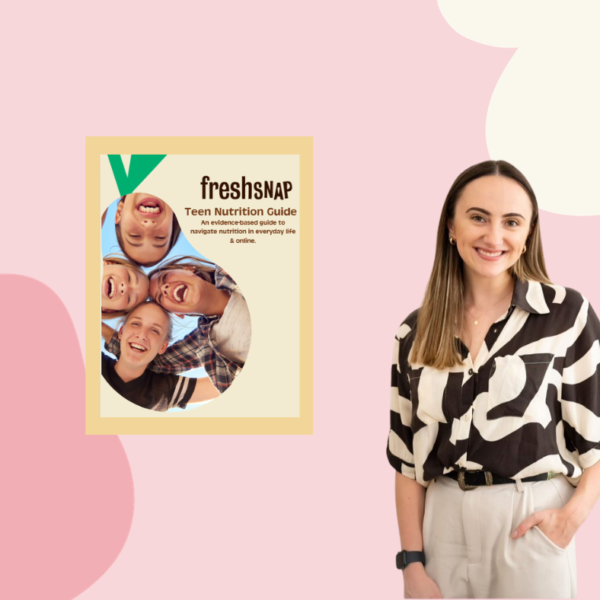
FreshSNAP is doing incredible work to support schools in Western Australia with access to free education resources, tools for canteens, and training for staffs, designed to develop healthy food and drink environments across the whole school community.

Here’s the support freshSNAP is currently offering to make this happen:

  • Structured lesson plans to promote practical food skills.
  • Ready to use, printable activity sheets.
  • Support and training for the whole school community.
  • Canteen toolkit that provides catering tips.

Altogether, accessibility to nutrition resources helps the whole school community feel confident and well-supported, to achieve best practices to support meaningful changes to the food environment.

Bringing it all together

Opportunities to learn to cook, access trustworthy information, and improve food literacy, aren’t always there. That’s why, families, nutrition professionals, food industries, and schools, should be actively providing support to make nutritious eating a part of everyday life for Australian teens.

A place that presents opportunities, open doors for growth.


Explore the full survey outcomes here: https://rchpoll.org.au/polls/teens-and-food-do-they-know-the-facts/

About Ryan Le

Social Media Volunteer
Ryan is driven by a passion to transform complex information into clear, engaging visuals and practical resources, supported by his skills in video making and social media content creation. With a deep commitment to nutrition, he aims to utilise his degree in Nutrition Science to make positive contributions to public health nutrition and education.
More articles by Ryan Le
Site by Sod