Back to home page
-
  • Healthy eating

love the 5 food groups.

Explore the five food groups and simple ways to enjoy more variety every day.
Want to have this resource handy?
Printing or saving this page as a PDF is just a click away

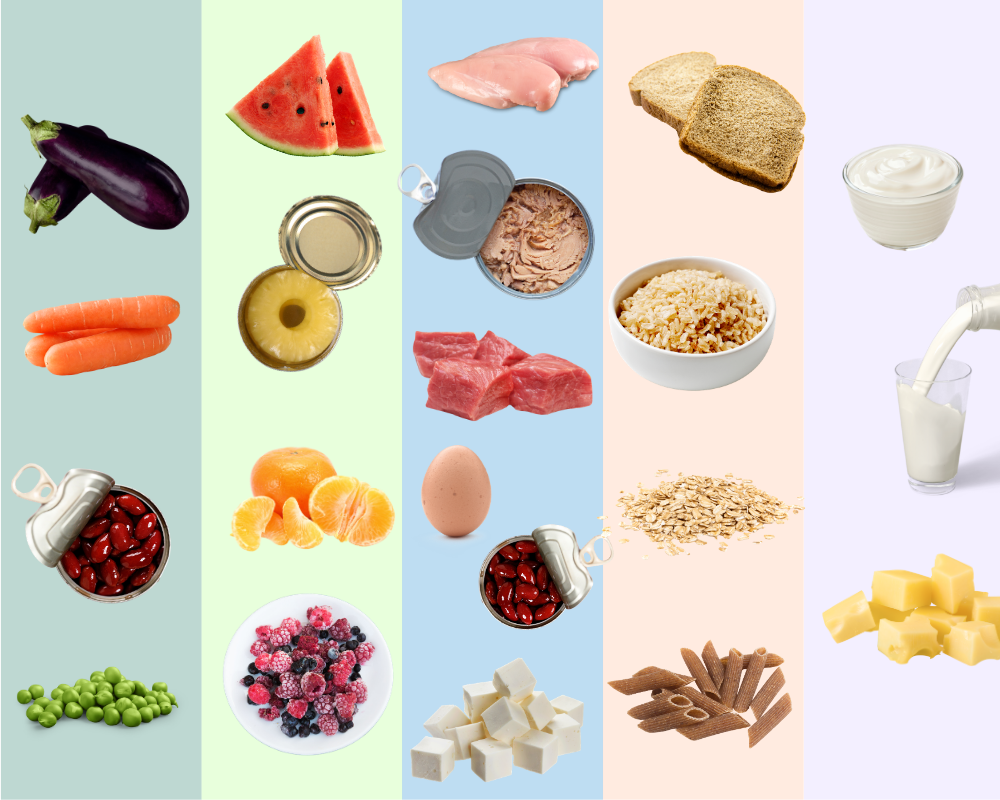
The five food groups provide a simple way to think about variety across the foods we eat.

The Australian Guide to Healthy Eating, based on the Australian Dietary Guidelines, groups foods according to the nutrients they provide. Choosing a variety of foods from across the five food groups helps give our bodies the nutrients they need to support health and wellbeing.

And variety isn’t just about nutrition. Different foods bring different flavours, colours, textures, traditions and possibilities to the table.

Let’s meet the five food groups…
Grain (cereal) foods

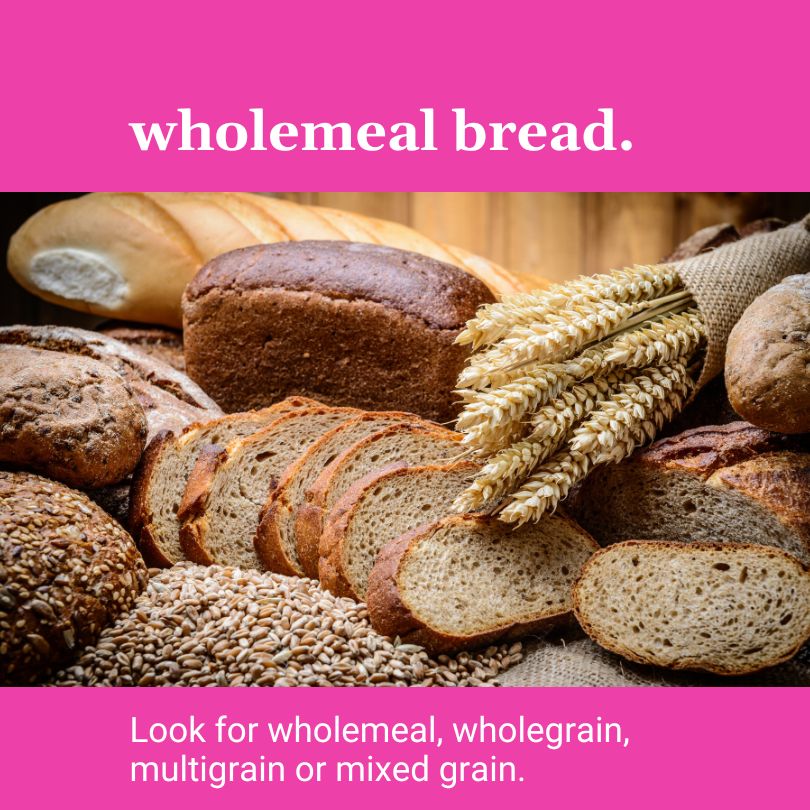
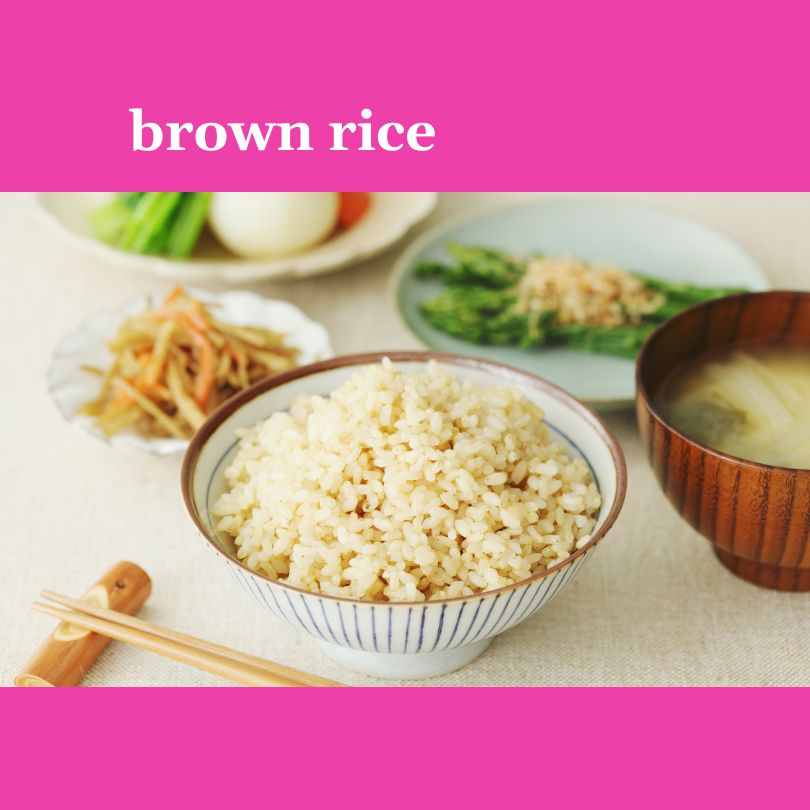
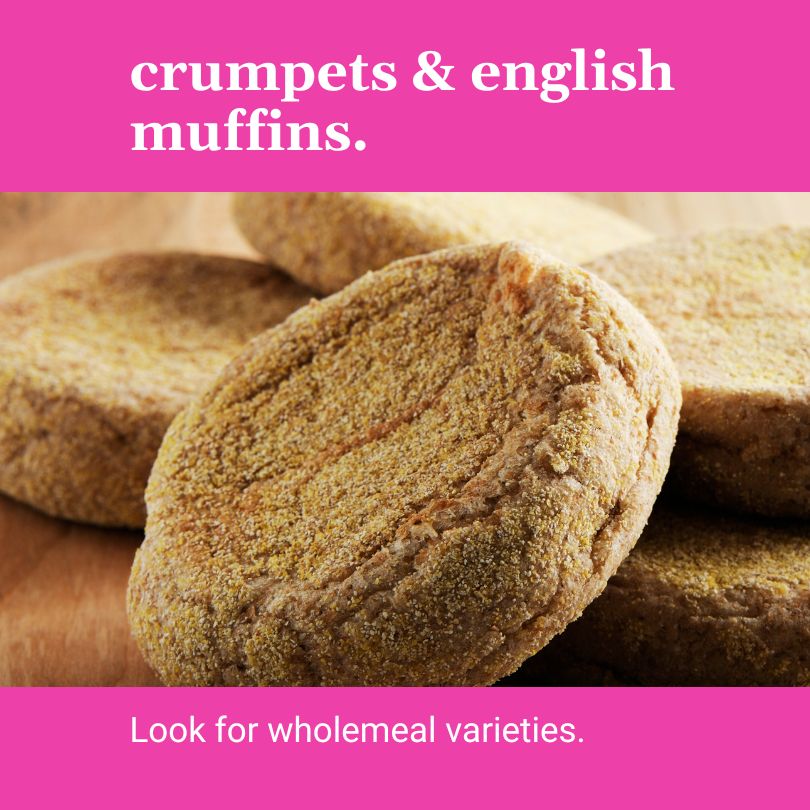
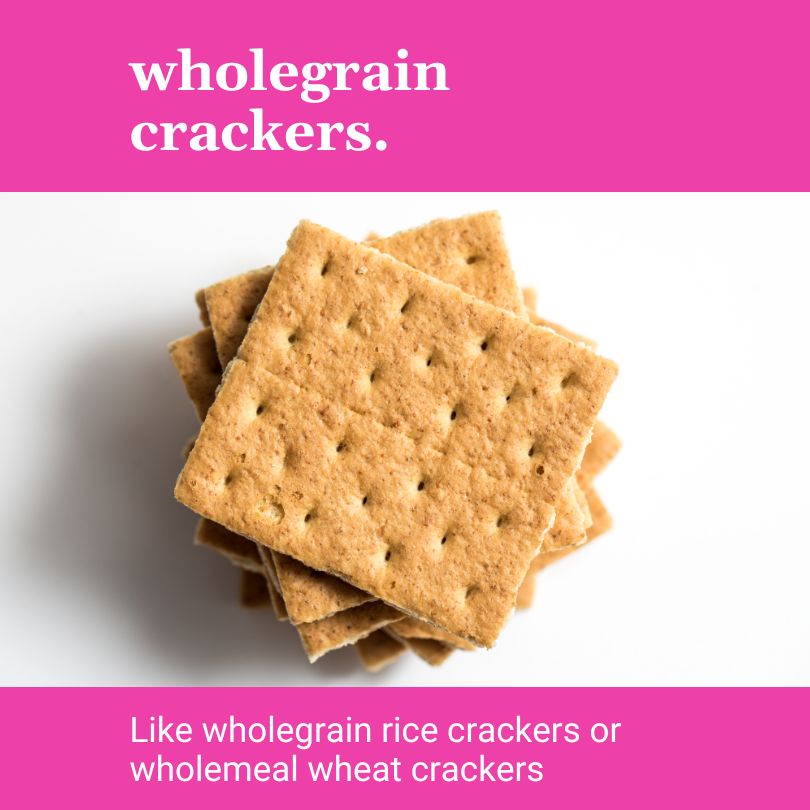
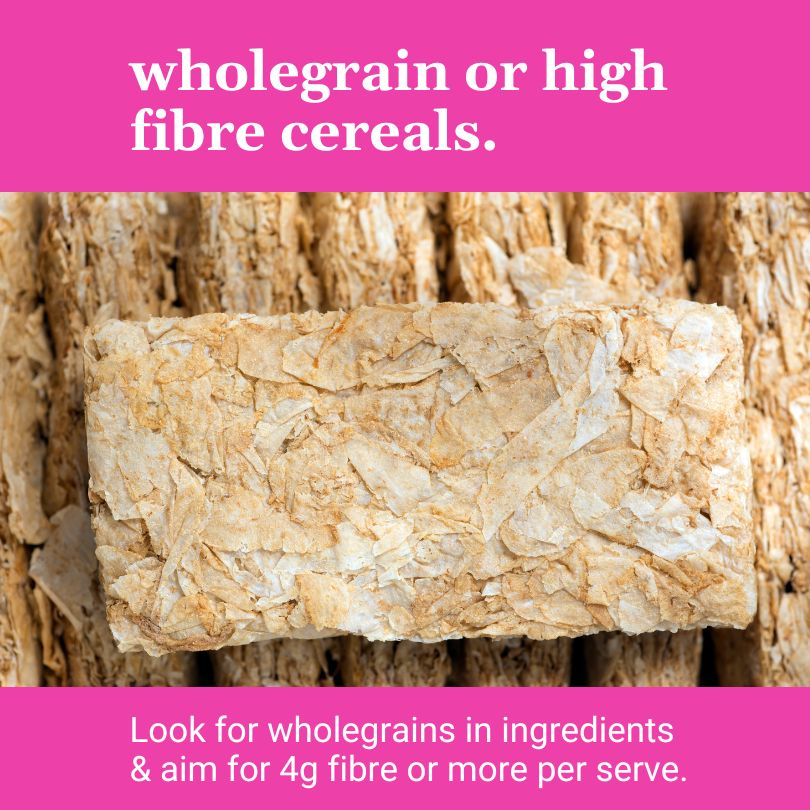
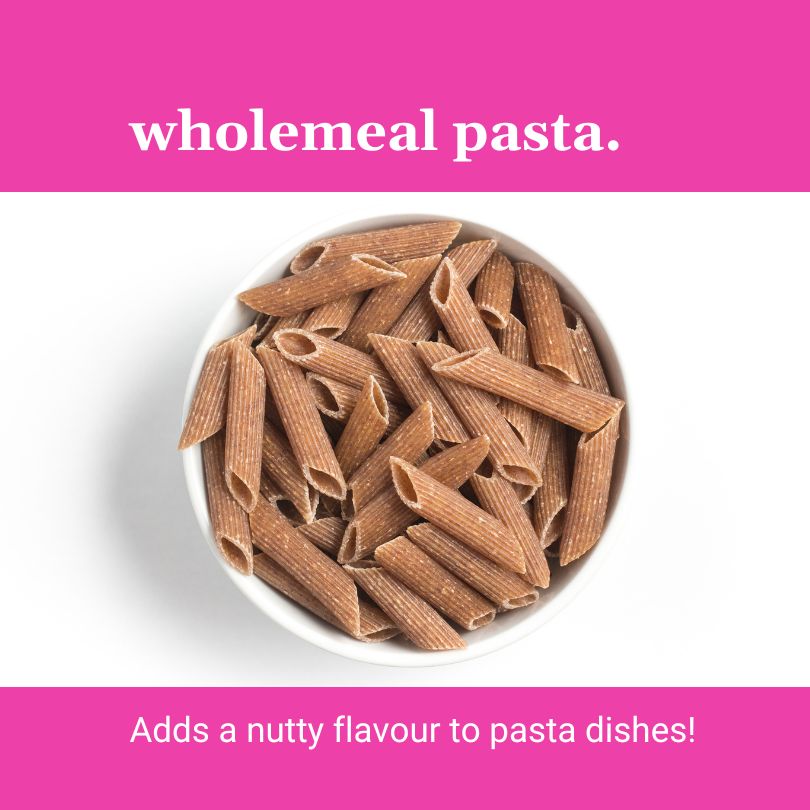
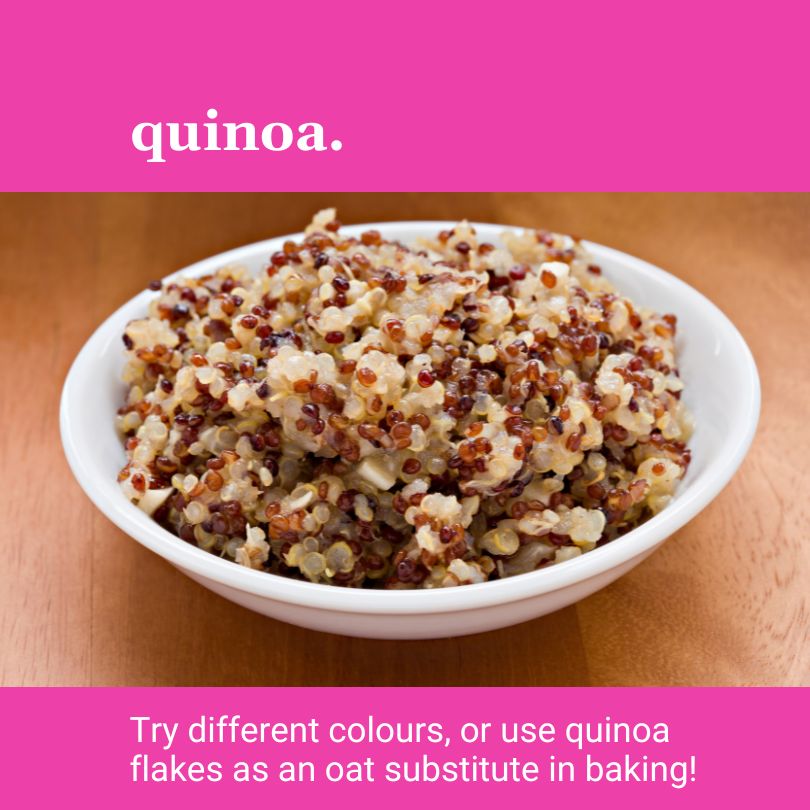
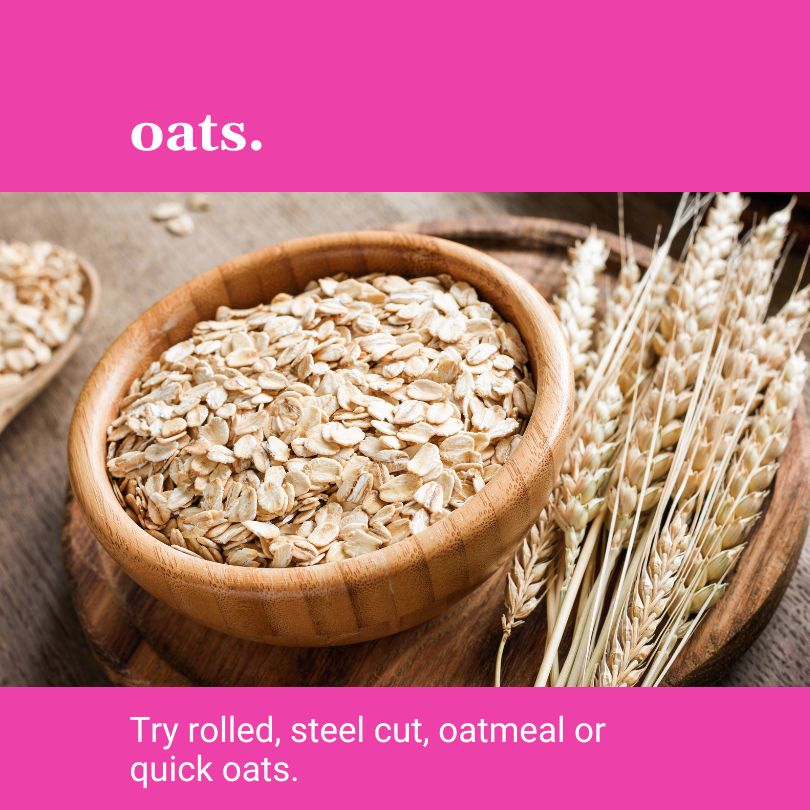
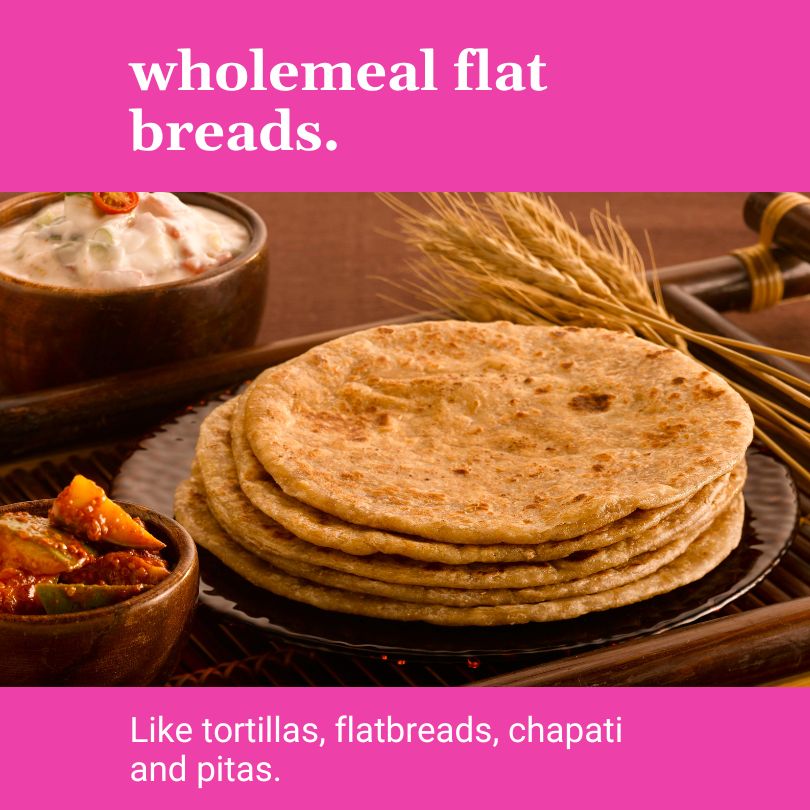
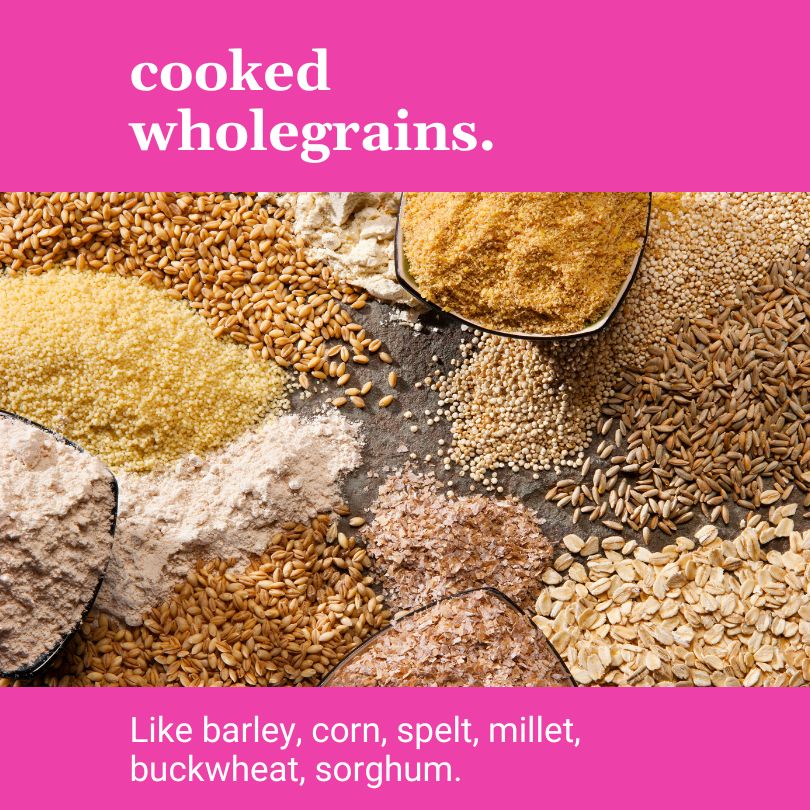
This group includes foods such as bread, rice, pasta, oats and other cereals and grains. These foods provide carbohydrates for energy, fibre to support a healthy digestive system, and a range of vitamins and minerals.

What’s to love?

Love grain foods for their versatility! They form the base of meals across many cultures and can take on completely different flavours depending on what you pair them with.

Try this:

Mix up your usual grain choice. Add rice to a stir-fry, try oats at breakfast, choose a wholegrain bread, or make a pasta salad packed with your favourite ingredients.

Vegetables and legumes/beans

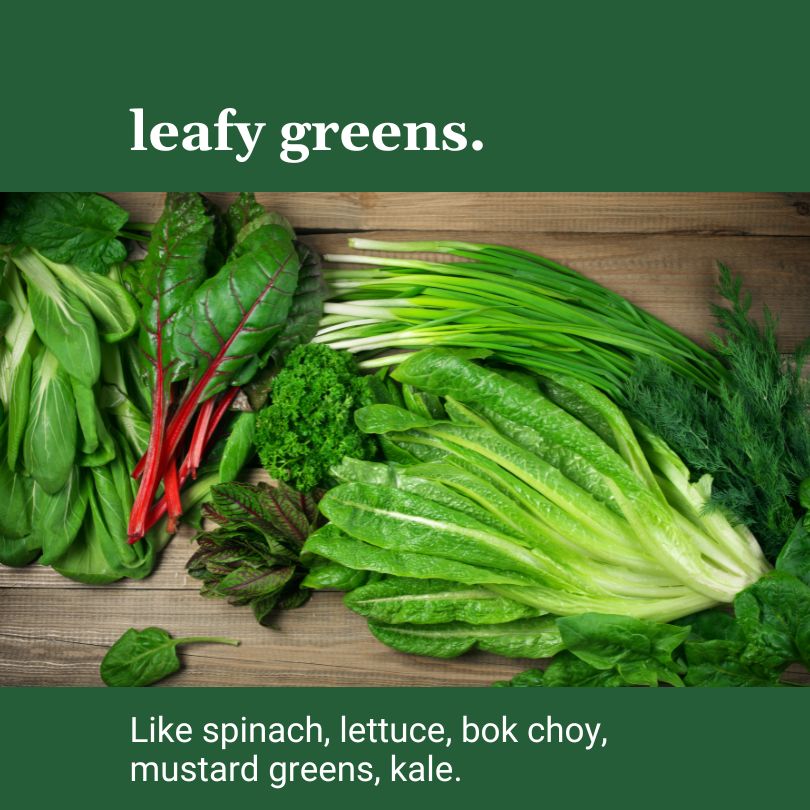
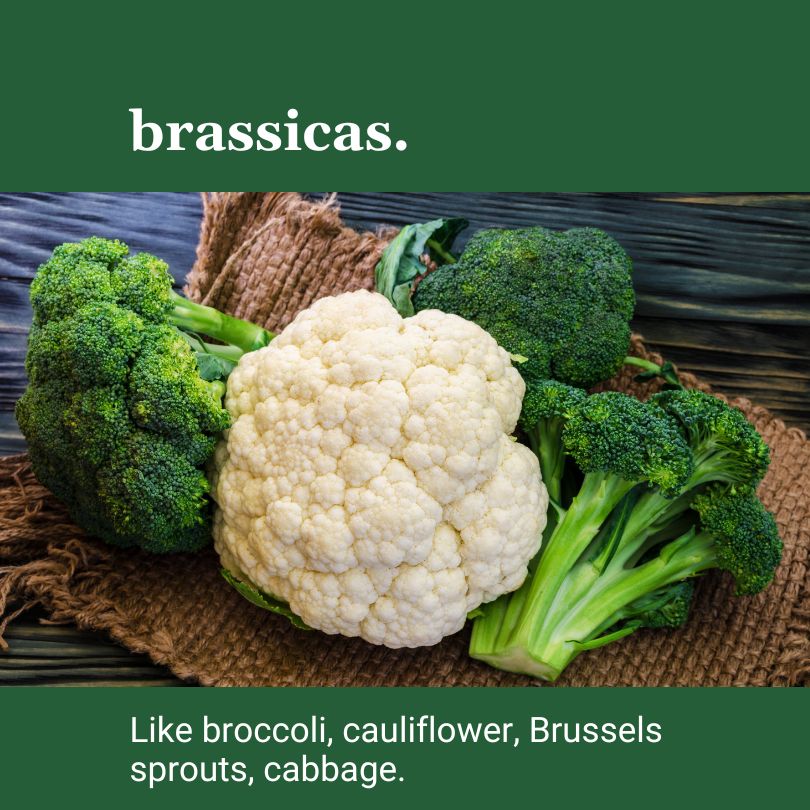
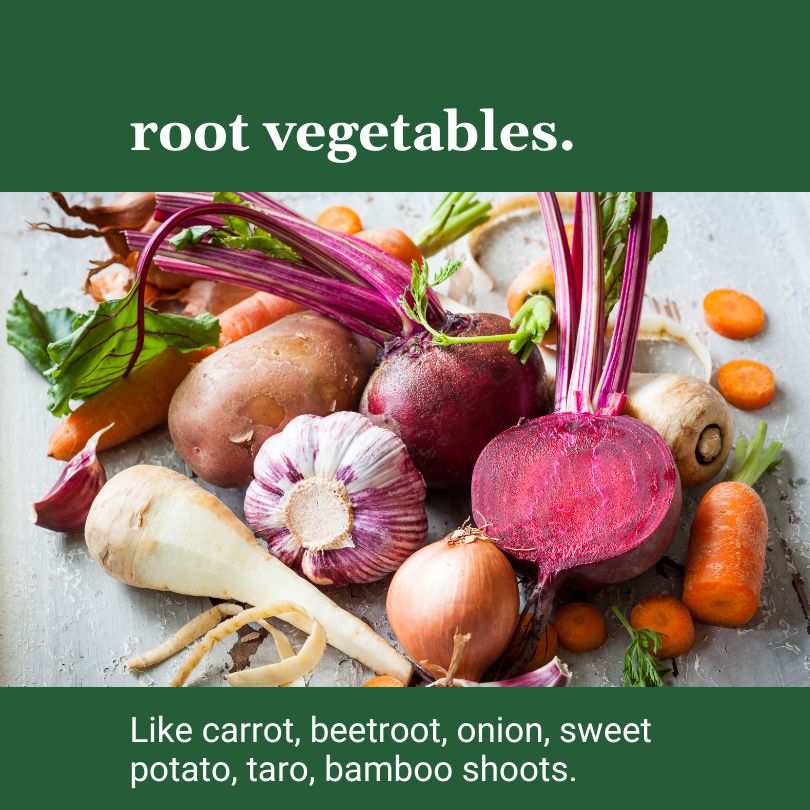
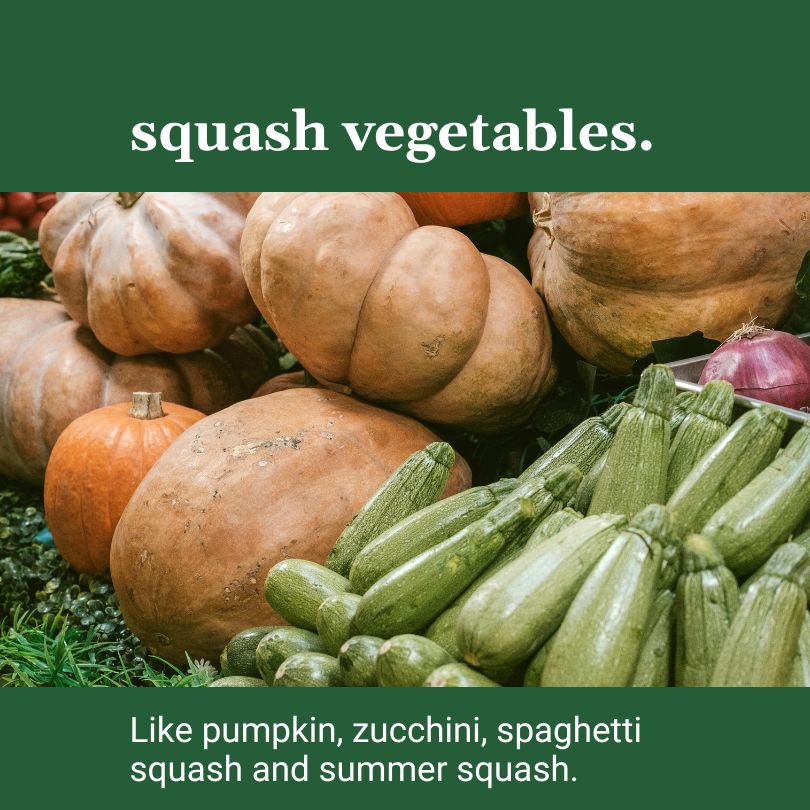
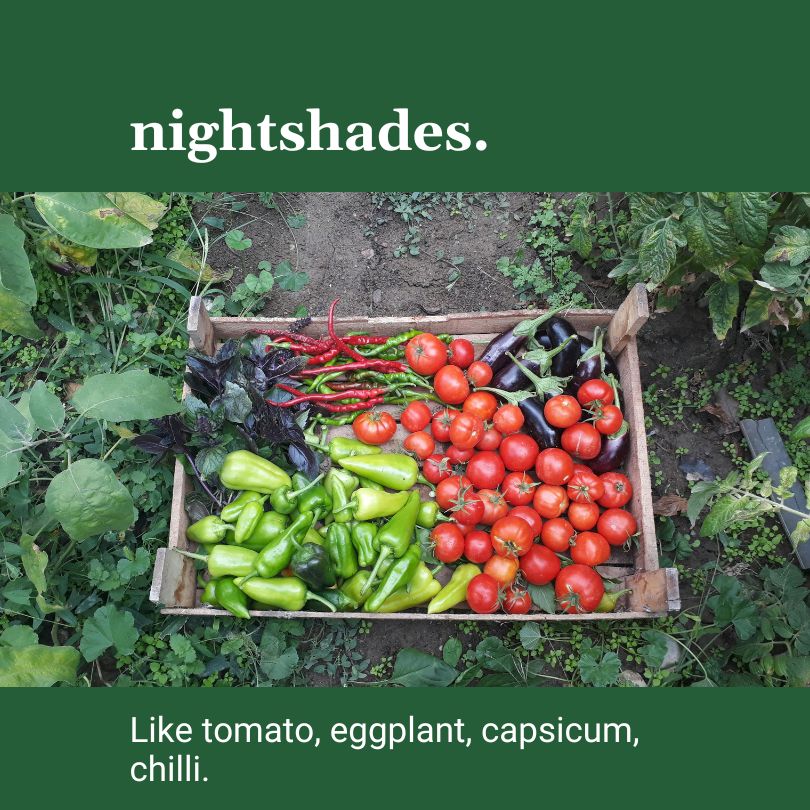
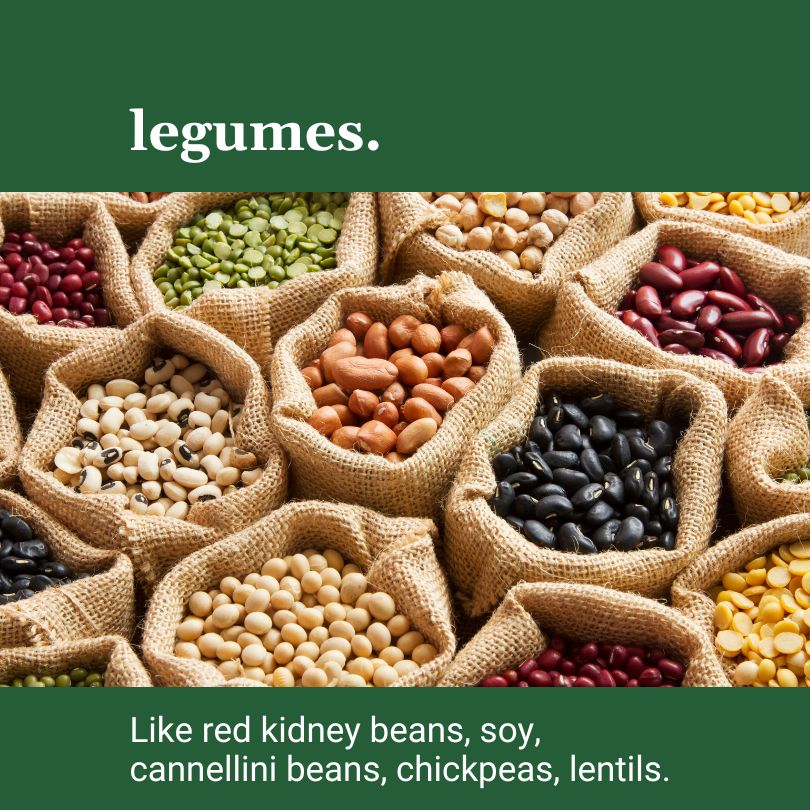
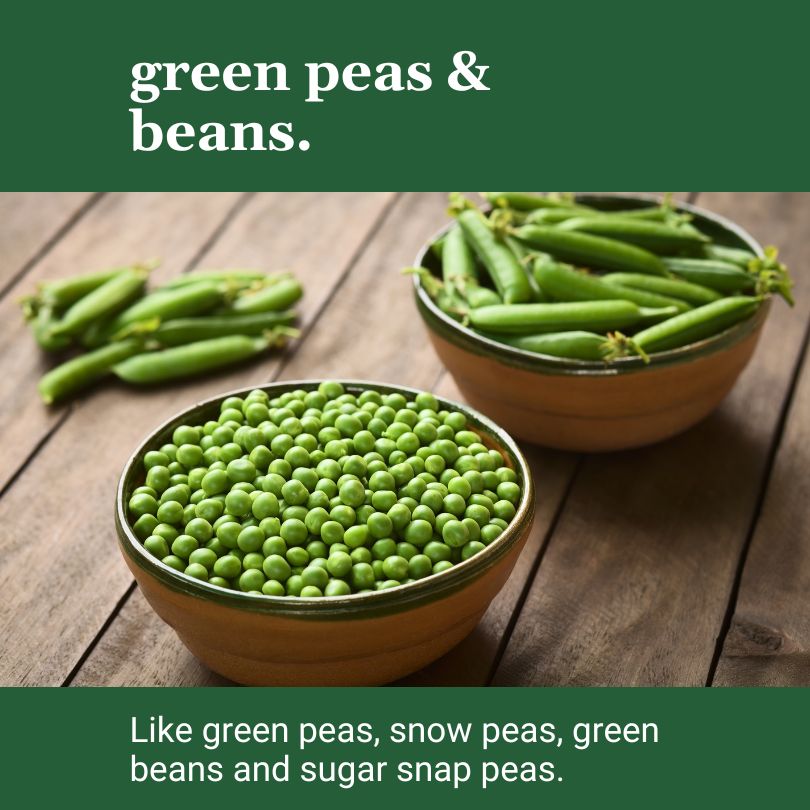
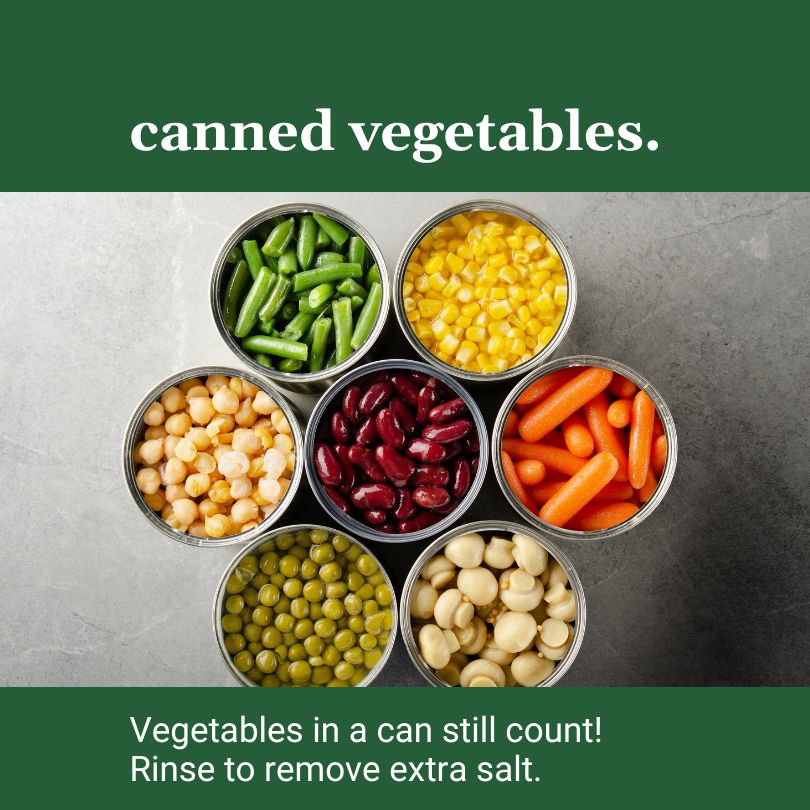
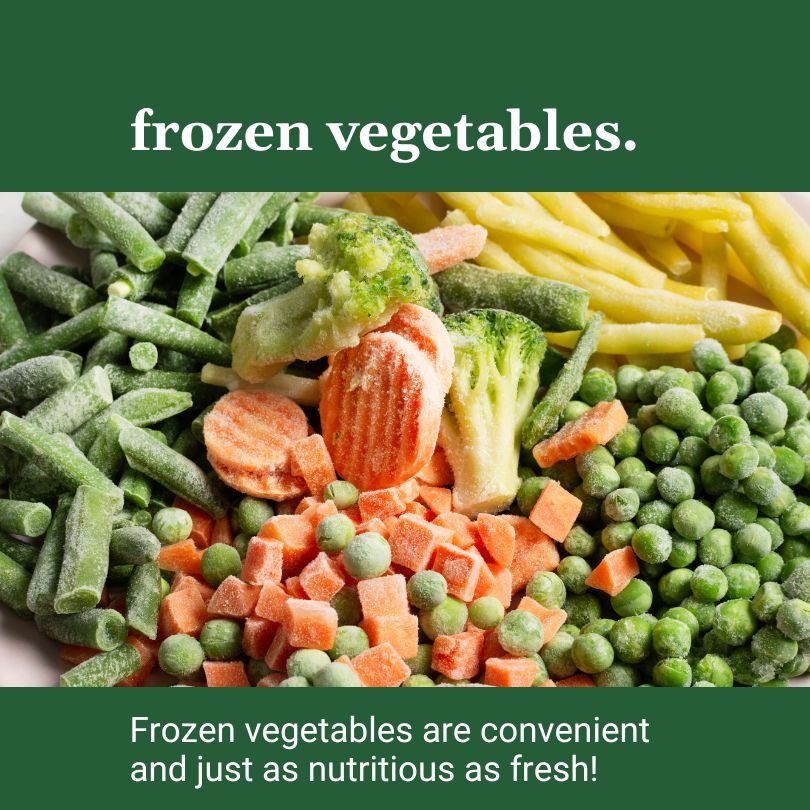
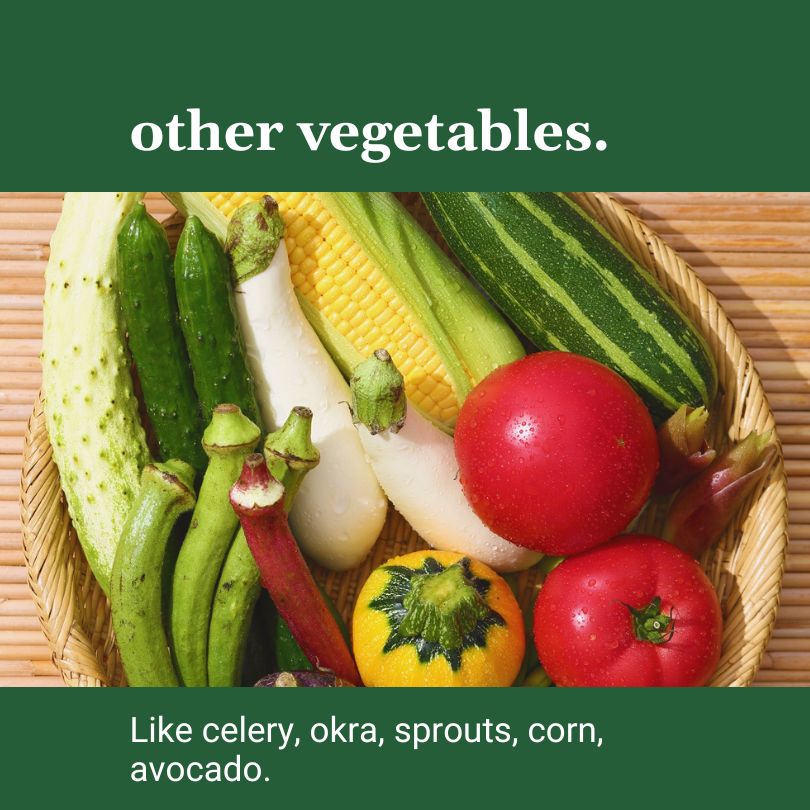
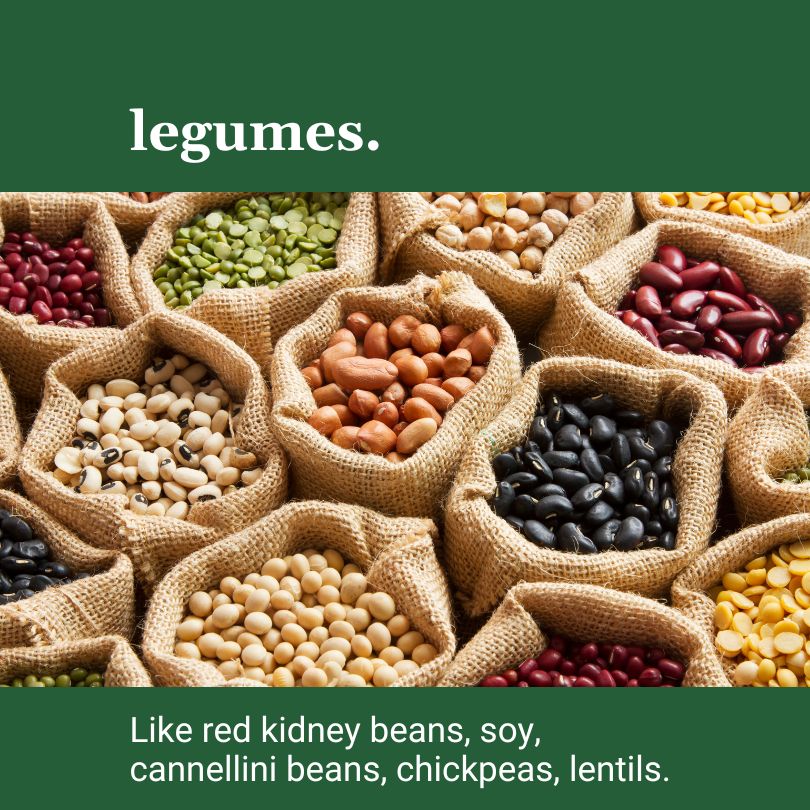
Vegetables and legumes can add an incredible range of colours, flavours and textures to your meals. They also provide many vitamins and minerals, as well as fibre, to support your body in many different ways.

What’s to love?

They can add colour, crunch, softness, sweetness, earthiness and plenty of variety to meals, while also connecting us with seasons and the places where food is grown.

Try this:

Add 2-3 different coloured vegetables to your next meal, throw extra vegetables into a familiar dish, or add lentils or beans to a pasta sauce, soup or curry.

Fruit

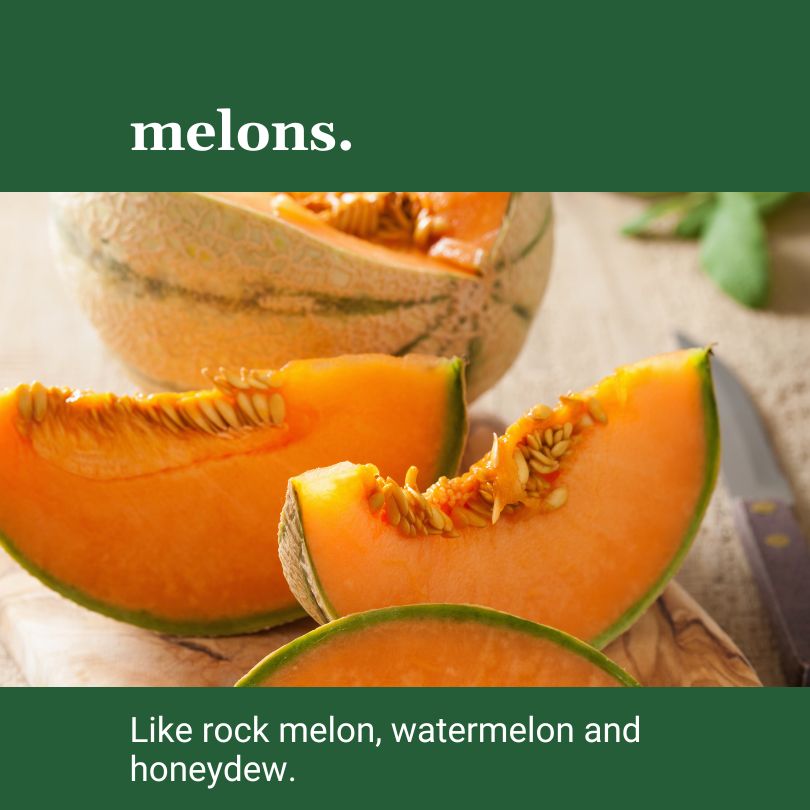
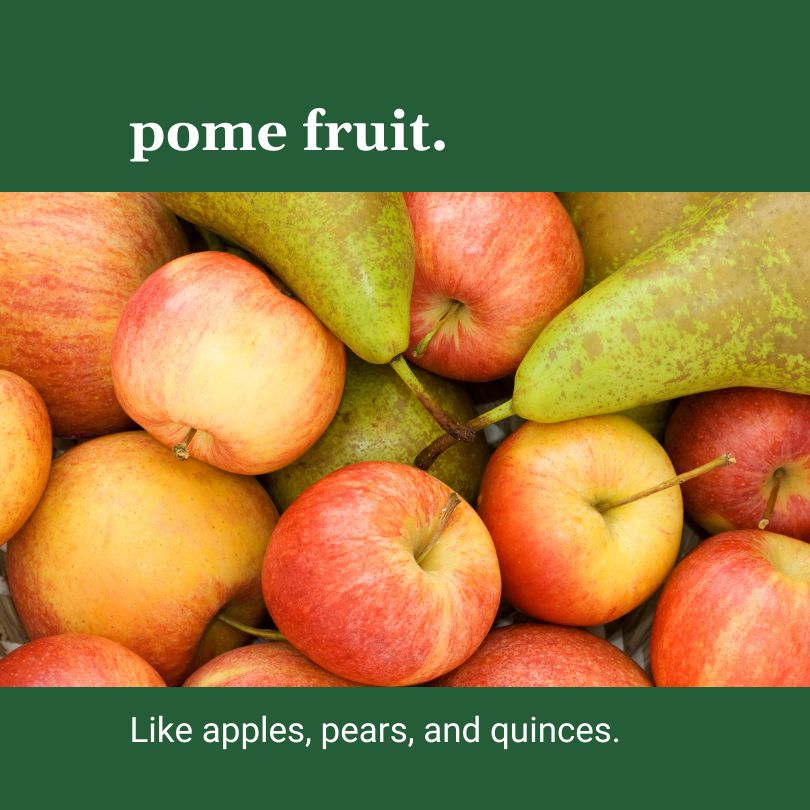
Fruit provides fibre, vitamins and minerals, as well as plenty of flavour and sweetness. Many fruits also have a high water content, which can contribute to hydration.

What’s to love?

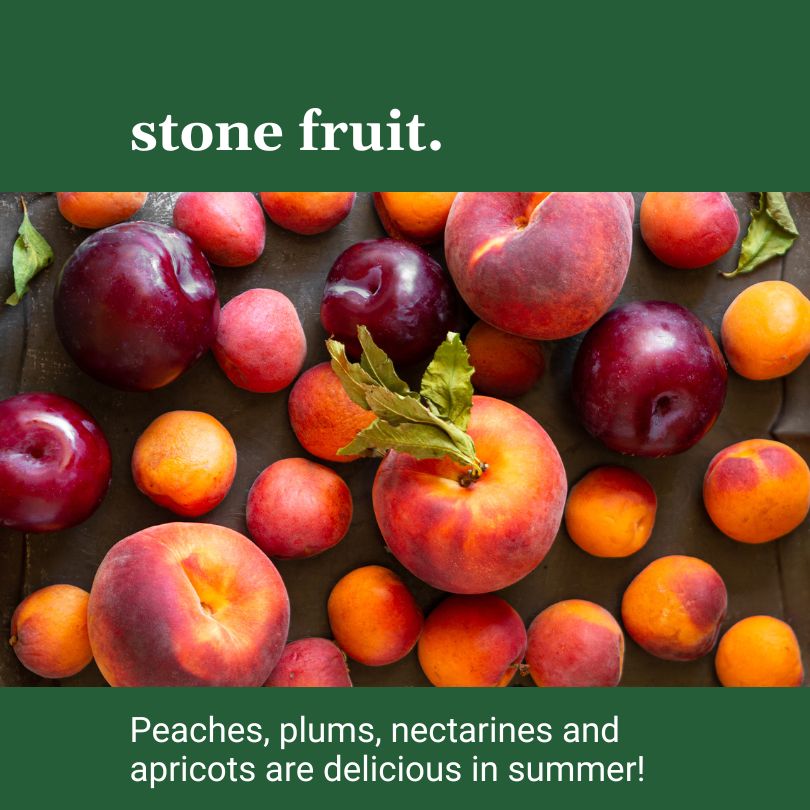
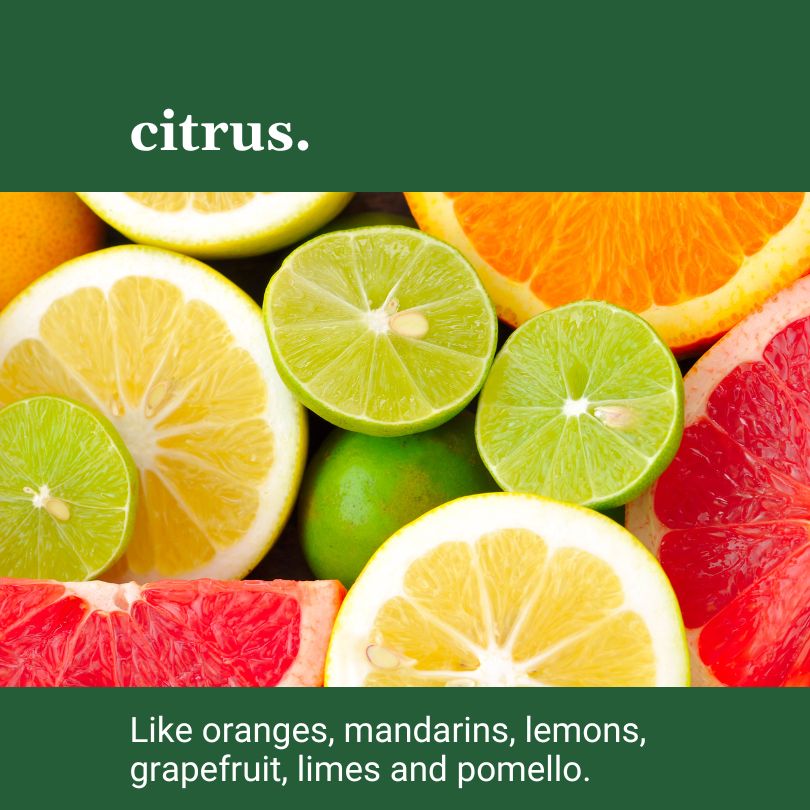
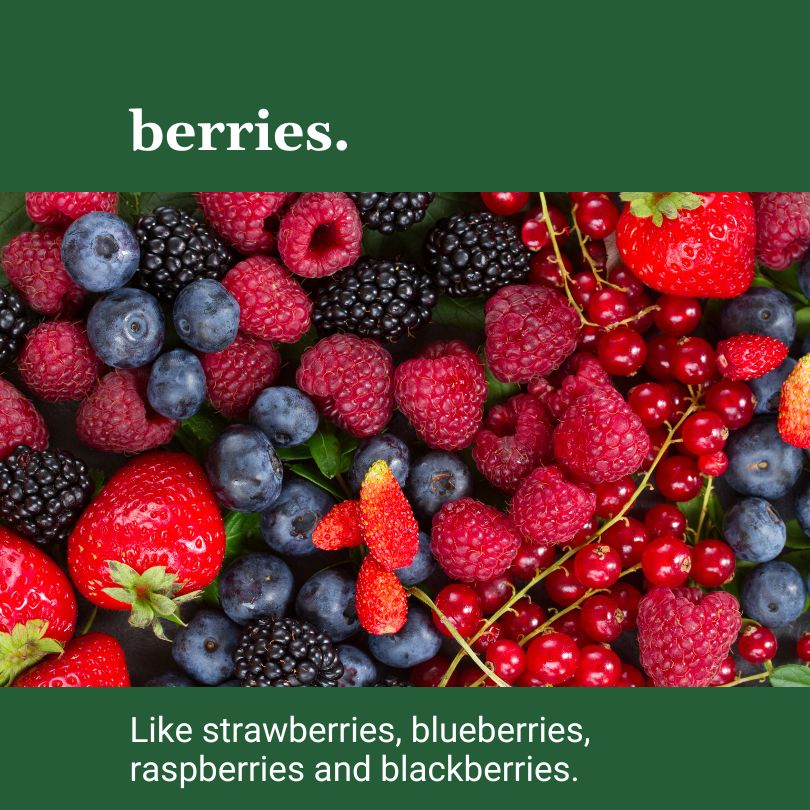
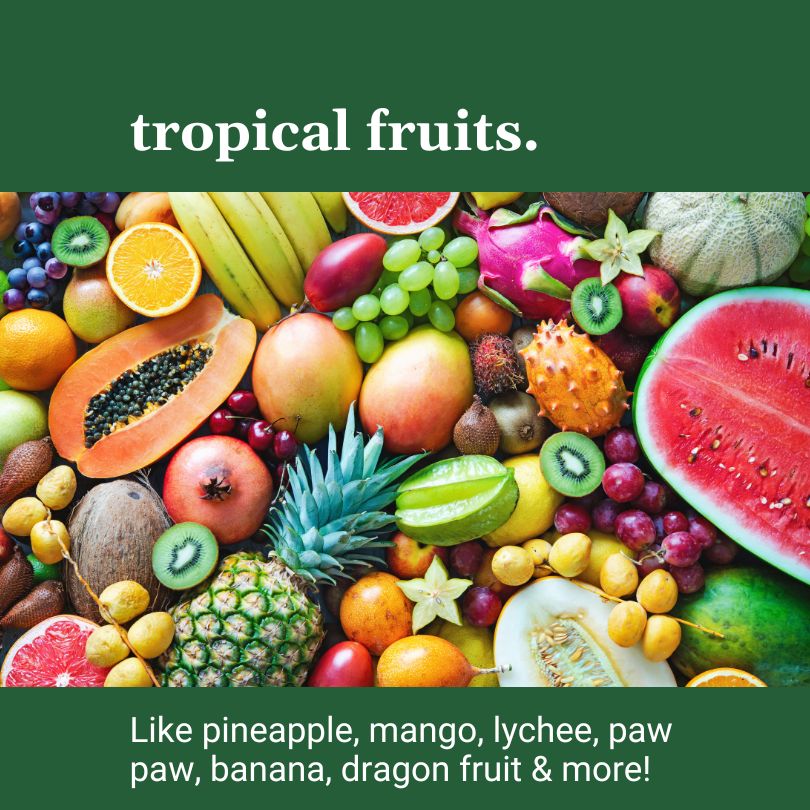
From crisp apples and juicy stone fruit to berries, mangoes and citrus, there is always something different to enjoy as the seasons change. The sweetest and juiciest fruits are the ones that are in season

Try this:

Explore what’s in season, add fruit to breakfast or enjoy it as part of a snack. You could try adding berries to your breakfast in summer, and enjoying citrus fruits in autumn/spring.

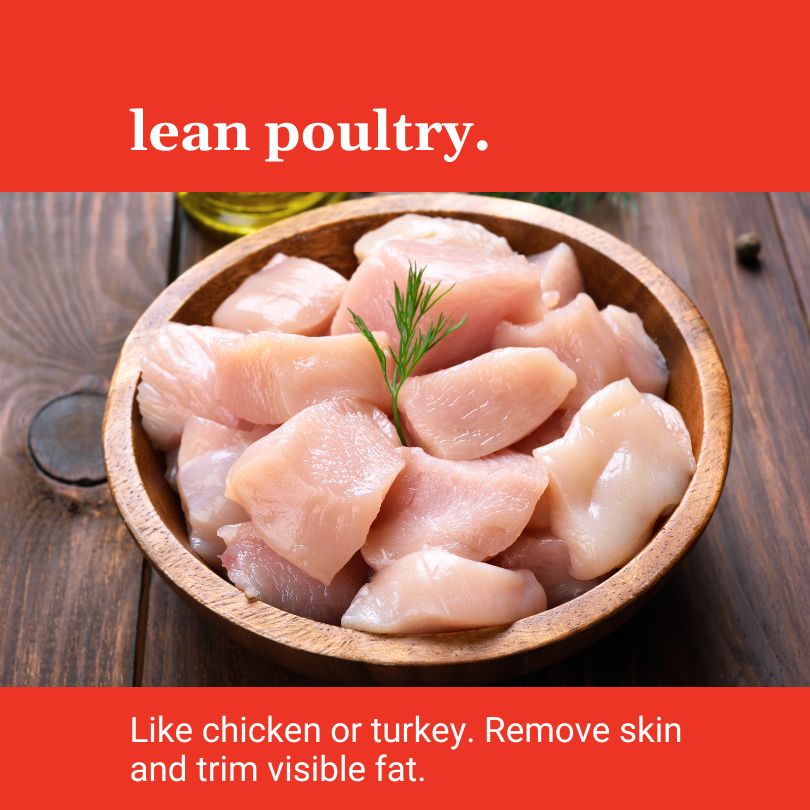
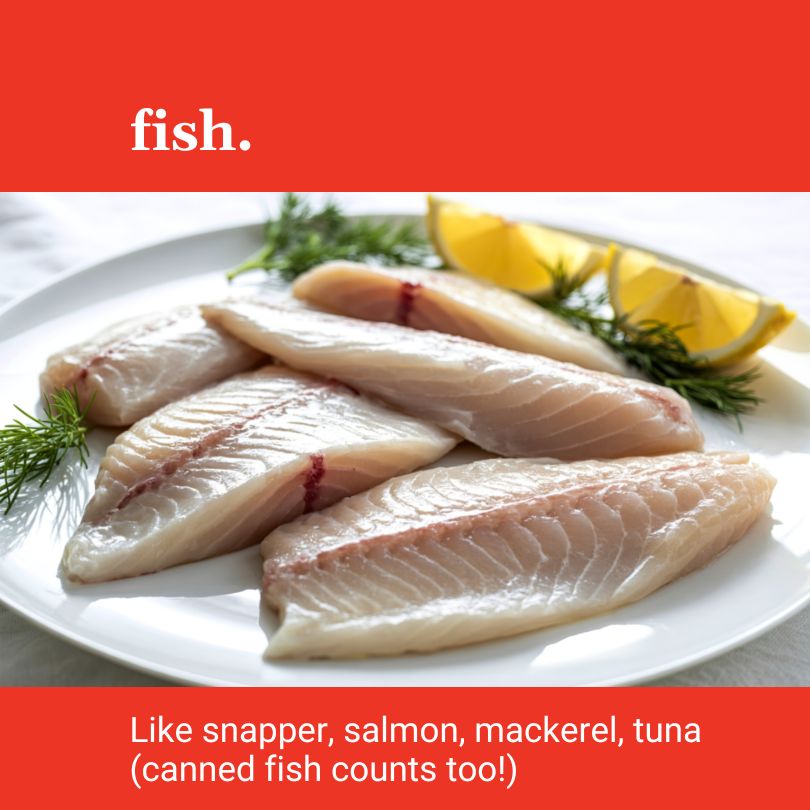
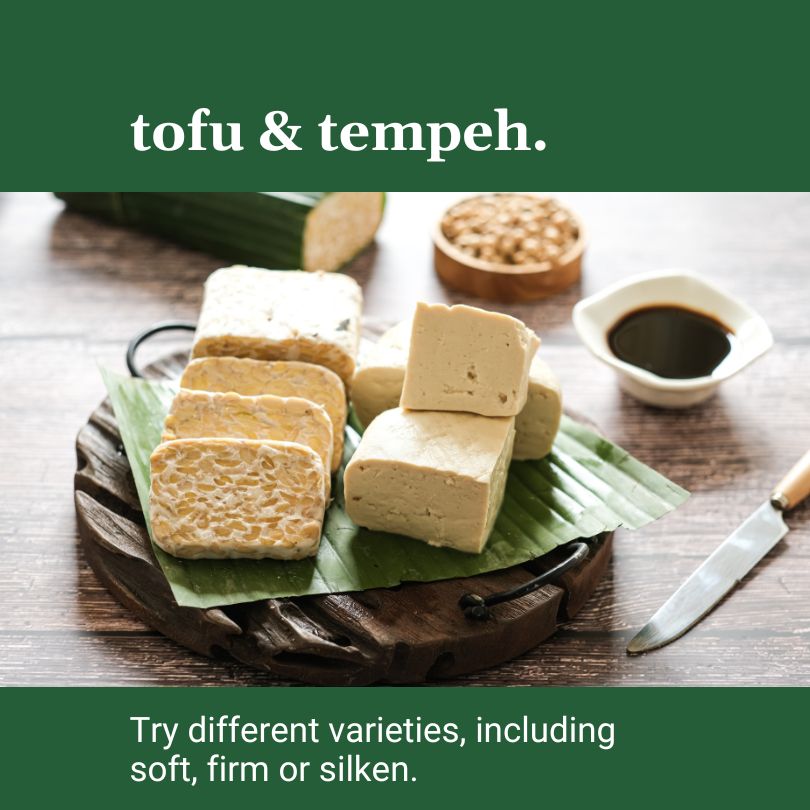
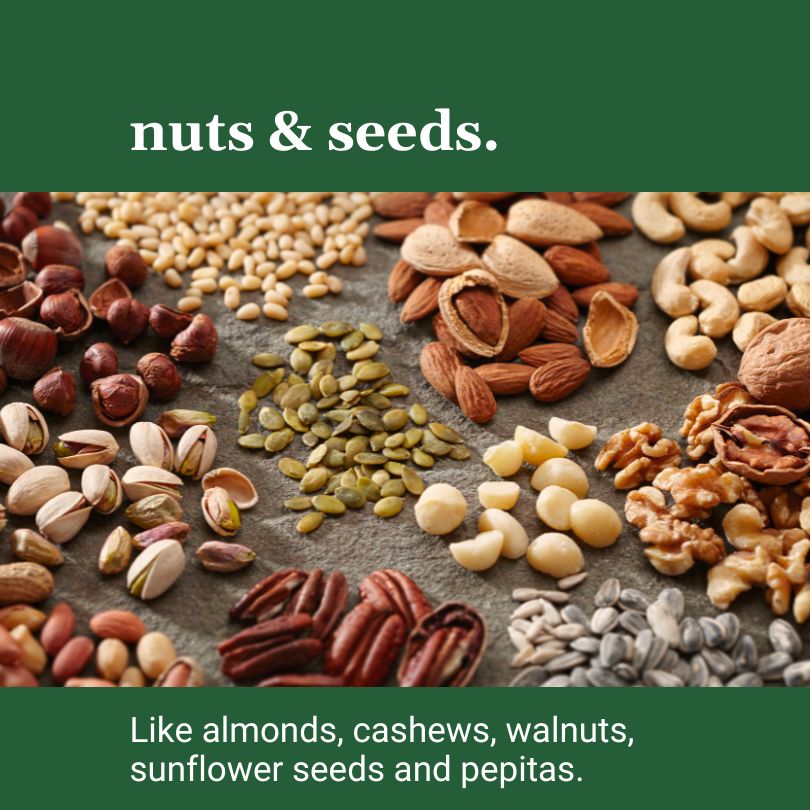
Lean meats and poultry, fish, eggs, tofu, nuts and seeds, and legumes/beans

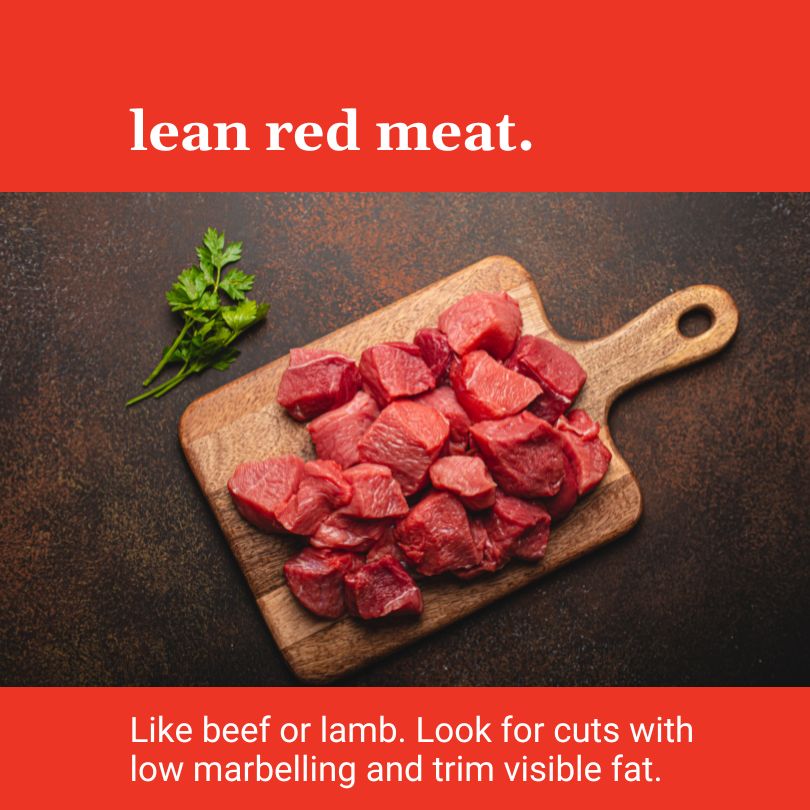
This diverse group includes both animal and plant foods that provide protein, along with important nutrients such as iron and zinc.

Protein helps the body grow, maintain and repair tissues, including muscles.

What’s to love?

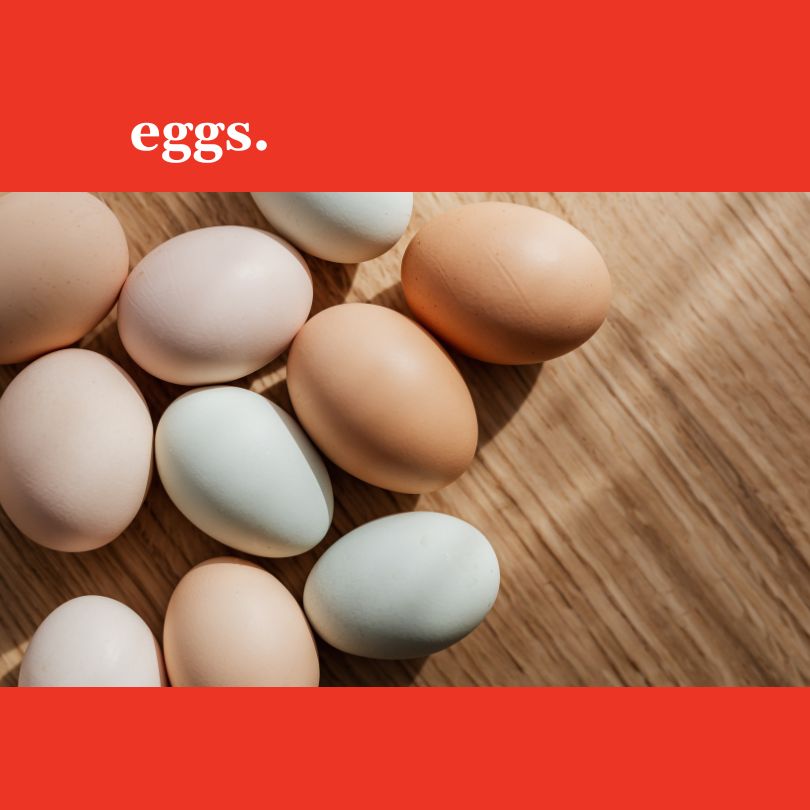
Love this food group because it helps keep you strong! There are so many ways to mix up your protein choices, from eggs and fish to tofu, beans, lentils, nuts and seeds.

Try this:

Swap or combine different protein sources. Add lentils alongside mince, tofu to a stir-fry, beans to tacos, or nuts and seeds to meals and snacks.

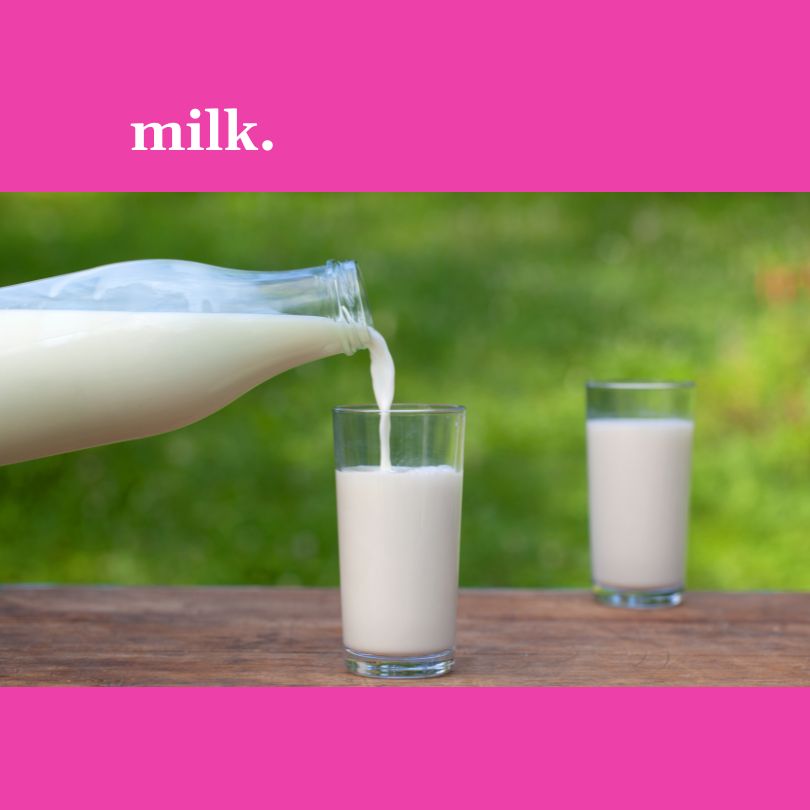
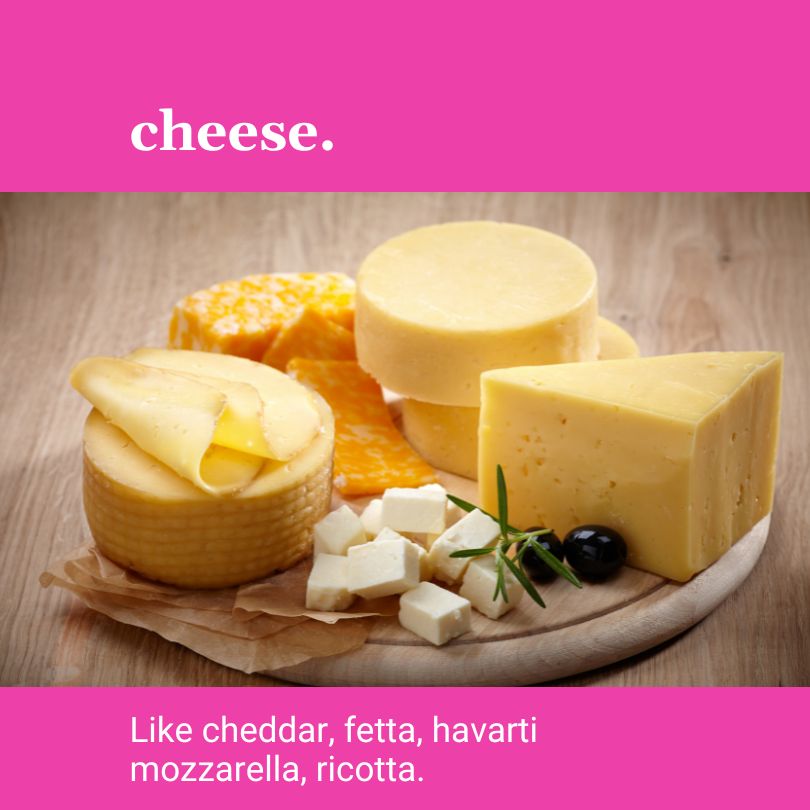
Milk, yoghurt, cheese and alternatives

Milk, yoghurt and cheese provide nutrients including protein and calcium, which is important for strong bones and teeth.

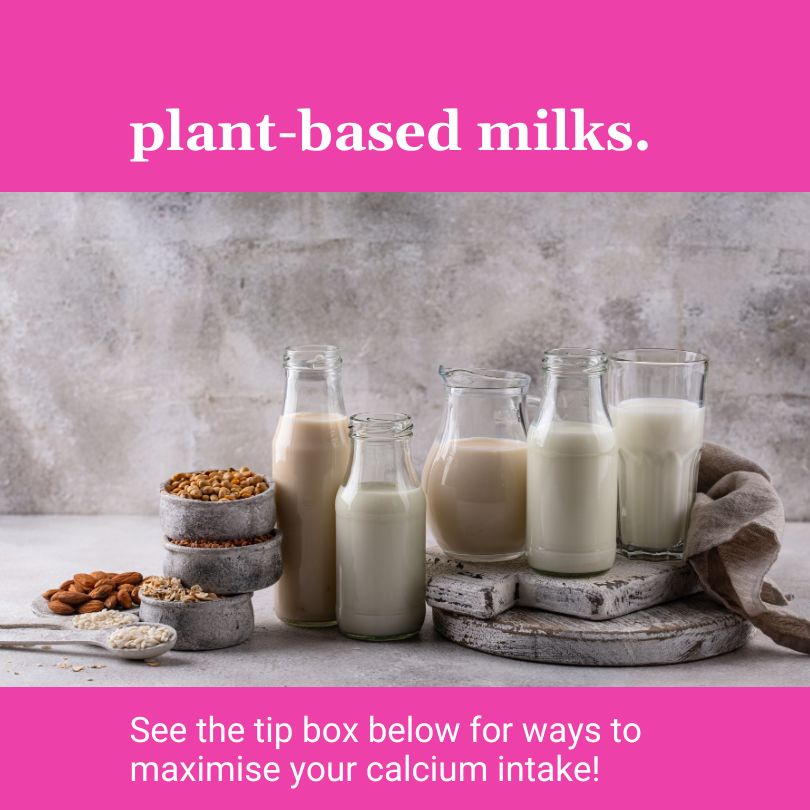
Plant-based alternatives can also contribute to this food group. When choosing these, look for options that are fortified with calcium.

What’s to love?

These foods can add creaminess, flavour and texture across meals and snacks, from yoghurt and cheese to milk and suitable plant-based alternatives.

Try this:

Use yoghurt as the base for a dip, spread ricotta on toast, add cheese to a meal, or try a calcium-set tofu in your next stirfry.

What does variety look like?

Variety doesn’t mean every meal has to include every food group.

Think about the overall pattern of food you enjoy across the day and week. Different meals and snacks can contribute different foods, and some days will naturally look different from others.

Variety can be as simple as trying a different vegetable, changing your grain choice or rotating between different sources of protein.


5 ways to love the five

Bring the five together

The five food groups can come together in all kinds of meals, but you don’t need all five on your plate every time you eat. Foods eaten across the day work together to provide variety.

Some meals will naturally include foods from several or even all five food groups. Here’s one example of how that might look:

  • eggs
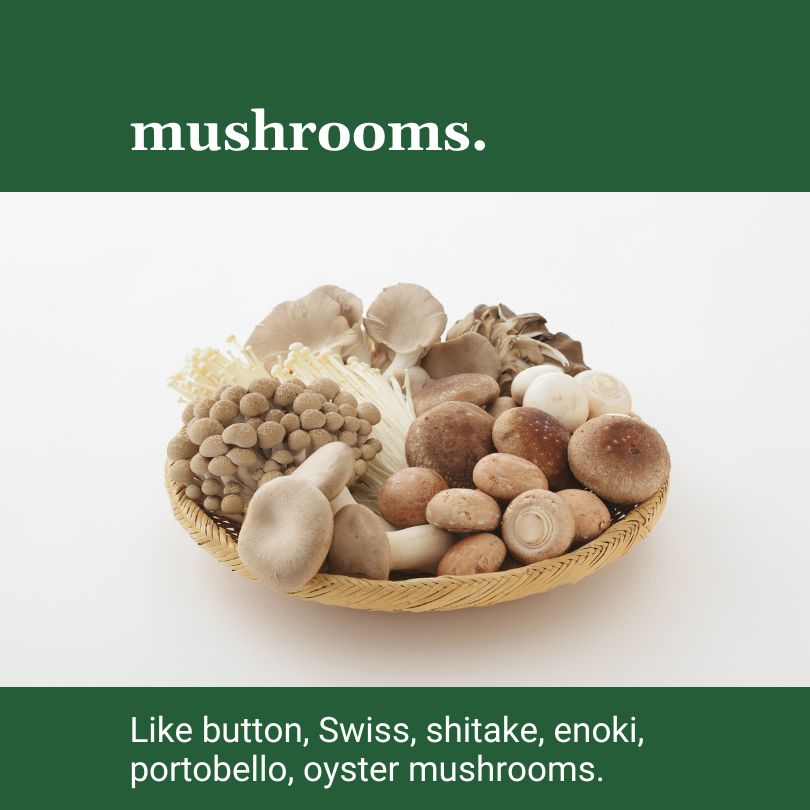
  • spinach, mushrooms and tomato
  • wholegrain toast
  • a slice of cheese
  • a piece of fruit on the side

This is just one combination. There are countless ways to enjoy foods from across the five groups depending on your preferences, culture, budget and what you have available.

Love what you eat, your way

The five food groups give us a flexible foundation for eating well, but there is no single way to put them together.

Explore new foods, return to old favourites and enjoy the variety of flavours, cultures and experiences food can bring.

Want more practical ideas?

Explore our Love your plate resource for simple ways to bring balance and variety to everyday meals.

Site by Sod