Back to home page
-
  • Team talk

the hybrid work week: how workplace nutrition can adapt to our changing lives

4 min read • August 18th, 2026

Hybrid work has transformed the way Australians work – and the way many people plan, prepare and eat during the working day. While greater flexibility has created new opportunities for healthier eating, it has also introduced new challenges. As work continues to evolve, workplace nutrition strategies need to evolve too.

For many years, workplace nutrition focused on what happened in the office. Employers invested in upgrades to cafeteria or catering menus, and wellbeing initiatives, recognising that the workplace plays an important role in shaping food choices.

Today, with more than one-third of Australian employees working from home for at least part of the week following the pandemic, hybrid work has become a lasting feature of modern working life. ¹ The workplace still influences food habits, even when that workplace is the kitchen table or home office.


Why hybrid work still shapes eating habits

Our food choices are influenced by much more than nutrition knowledge or individual motivation. The Australian Government’s Rapid Review of Australia’s Food Culture highlights that food choices are shaped by social, physical and organisational factors, including workplace culture, convenience, food availability, and daily routines. ²

Whether employees are working from home or in the office, the way work is organised affects when, what and how they eat. Meeting schedules, workloads, workplace expectations, access to kitchens for food preparation, and opportunities to take breaks all influence everyday eating habits.

Recognising these influences helps shift the conversation from individual responsibility to creating work environments that support healthier choices.

The positive side of working from home for nutrition

For many Australians, hybrid work has made healthy eating more achievable. Without a daily commute, employees may have more time to prepare breakfast, cook meals from scratch and eat at regular times. Access to a home kitchen also provides greater control over ingredients, portion sizes and individual dietary needs.

Australian studies conducted during the COVID-19 pandemic found that many adults reported positive changes in their eating habits, including preparing more meals at home, experimenting with new recipes, relying less on takeaway food and spending more time eating with family.³˒⁴

Flexible working arrangements can also better support cultural and religious food practices, food allergies, chronic health conditions and personal dietary preferences, allowing people to establish routines that suit their individual circumstances.

The challenges of flexible work

Greater flexibility does not automatically lead to healthier eating.

Working from home can make it easier to snack frequently, particularly during periods of stress, boredom or fatigue. Without the natural structure of a traditional workday, employees may skip meals, eat while responding to emails, or work through lunch altogether.

Remote work may also reduce opportunities for the social connection that often comes from sharing meals or taking breaks with colleagues. These informal moments contribute not only to workplace relationships but also to healthier daily routines.

Workplace culture matters more than we think

Workplace nutrition is often associated with nutrition education or providing nutritious food options at work. However, organisational culture can have an even greater influence on eating behaviours.

Common workplace practices include:

  • scheduling meetings across lunchtime
  • expecting employees to remain continuously available online
  • rewarding staff for working through breaks
  • normalising eating meals while working

Although these practices are not directly related to food, they shape whether employees have the opportunity to eat regular, balanced meals.

Conversely, organisations that encourage genuine meal breaks, support flexible work practices and model healthy behaviours through leadership help create environments where nutritious choices become easier.

Nutrition is not only about what is on the plate, but also about creating workplaces that make healthy eating possible.

Supporting everyone to eat well

Hybrid work does not affect all employees equally.

Some people have dedicated home workspaces, well-equipped kitchens and flexible schedules. Others may balance caring responsibilities, work from shared living spaces or have limited access to affordable, nutritious food.

The gender divide in domestic labour persists with hybrid work, with research conducted during the COVID-19 pandemic showing that Australian women continued to do more of the domestic work despite both partners working from home.5 This can affect their capacity to plan, cook and eat well.

Effective workplace nutrition strategies recognise these differences. Flexible, inclusive approaches that acknowledge diverse cultures, household circumstances, dietary requirements and budgets are more likely to support the needs of a modern workforce.

Rethinking workplace nutrition

Traditional workplace nutrition programs have often focused on changing individual behaviour. Increasingly, evidence supports a broader systems approach that considers the policies, environments and workplace cultures that shape everyday choices.

Instead of asking, “How can we encourage employees to make nutritious food choices?”, a more useful question is:

How can we organise work so healthy eating becomes easier?

Effective workplace nutrition initiatives are:

  • flexible for employees working at home and in the office
  • inclusive of diverse cultures, dietary needs and budgets
  • practical for busy working lives
  • evidence-based and free from fad diets
  • integrated into broader employee wellbeing strategies

Practical ways employers can help

Supporting healthy eating does not require expensive wellbeing programs. Small changes to everyday workplace practices can make a meaningful difference.

Employers can:

  • Protect meal breaks by avoiding lunchtime meetings where possible and encouraging employees to step away from their desks or screens to eat without interruption.
  • Recognise food and eating as part of productive work by acknowledging that regular, nutritious meals can support concentration, energy levels and overall wellbeing.
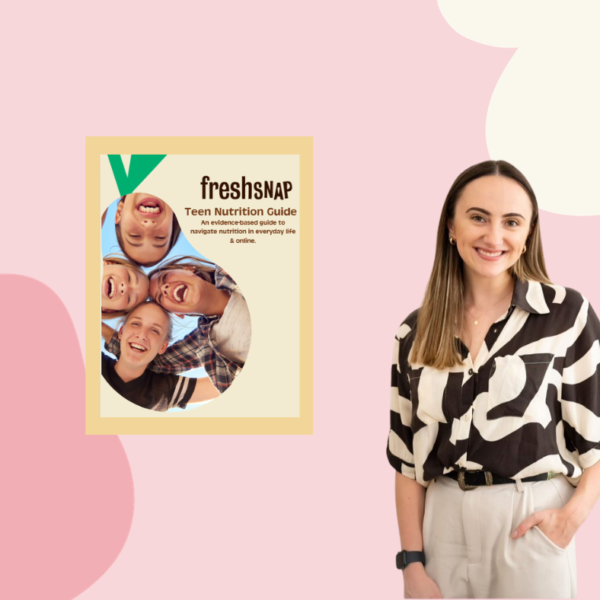
  • Support hybrid teams with evidence-based digital nutrition resources, recorded education sessions, and practical meal planning tools that are accessible regardless of where employees work.
  • Create supportive food environments by providing suitable kitchen facilities to store, heat and prepare food, fresh drinking water, and convenient nutritious snack options.
  • Make office days meaningful by using shared workplace days to strengthen social connection through team lunches, cultural food celebrations, and ‘potluck’ or ‘bring a plate’ meals where team members share a favourite dish from home.
  • Elevate catering by offering meals that include vegetables, fruit and wholegrains, while accommodating dietary requirements and preferences whenever food is provided. Seek out healthier, sustainable caterers using a trusted directory such as Catering for Good in Victoria.
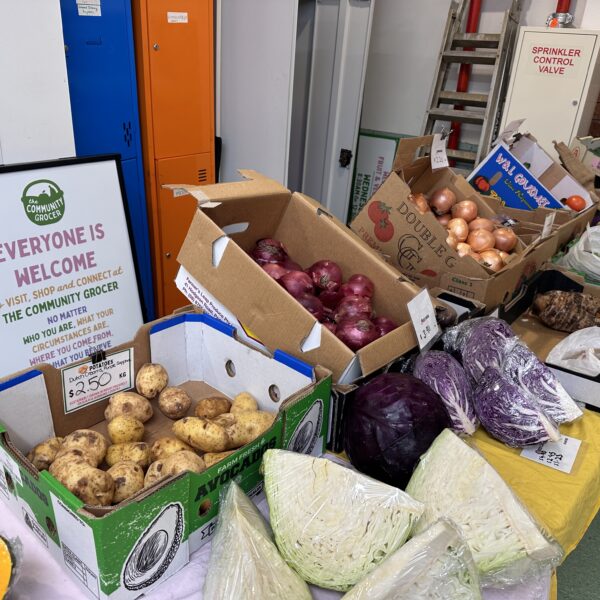
  • Get out of the office and participate in food-based activities such as Indigenous food education sessions such as those offered by Nairm Marr Djambana or join corporate volunteering programs such as:

The future of workplace nutrition

Hybrid work is now an established part of working life for many Australians. As workplaces continue to evolve, so too should the ways organisations support healthy eating.

By protecting meal breaks, reviewing meeting practices, creating supportive food environments and embedding nutrition within broader wellbeing strategies, employers can remove many of the barriers that make healthy eating more difficult during the working day.

Workplace nutrition is no longer just about what is available in the office kitchen. It is about creating cultures, policies and environments that support people to eat well wherever work takes place. Small, intentional changes can help make nutritious choices easier, contributing to healthier employees, more connected workplaces and a more productive workforce.

references

  1. Australian Bureau of Statistics. 2025. Working arrangements. Canberra: ABS. https://www.abs.gov.au/statistics/labour/earnings-and-working-conditions/working-arrangements/latest-release
  2. Australian Government Department of Health. 2020. A Rapid Review of Australia’s Food Culture. https://www.health.gov.au/resources/publications/a-rapid-review-of-australias-food-culture?language=en
  3. Palu A, Crowther J, Hart AC, Santos JA, Rosewarne E, Pettigrew S, Hoek AC, Trieu K, Webster J. Changes in food behaviours during the first COVID-19 pandemic lockdown in Australia. Nutr Diet. 2025 Jun;82(3):301-308. https://doi.org/10.1111/1747-0080.12921
  4. Margerison C, Aydin G, Larsson C, Booth A, Worsley A, Nanayakkara J. Australian adults cooked more and tried new recipes during COVID-19 restrictions and lockdowns. Appetite. 2024 Feb 1;193:107122. https://doi.org/10.1016/j.appet.2023.107122
  5. Churchill B, Craig L. Working and caring at home: gender differences in the effects of Covid-19 on paid and unpaid labor in Australia. Feminist Economics. 2020 Nov; 27(1-2). https://doi.org/10.1080/13545701.2020.1831039

About Justine Gayer

Volunteer - Marketing and Communications Special Projects

Justine is a nutrition communications specialist, recently returned to Australia after 17 years in Singapore and Hong Kong. She has worked throughout Southeast Asia in marketing communications roles – in the food ingredients industry, for a regional non-profit organising seminars on public health nutrition issues, and project work for public health nutrition consultants. She has master’s degrees in human nutrition and public health from Deakin University, and is interested in the psychology underlying our eating behaviours, and how we overcome barriers to eating well.

More articles by Justine Gayer
Site by Sod