Back to home page
-
  • News & media

a recipe for healthy ageing: food accessibility, skills and social connection

4 min read • November 17th, 2026

Eating well as we age involves more than focusing on the nutritional quality of the food we eat. Healthy ageing depends on having the access and resources to buy nutritious food, the energy and confidence to prepare meals, and people around us to share them with.  

For many older Australians, eating well can become more complicated over time. Changes in appetite, mobility, health, income and living arrangements can all influence what ends up on the plate. Understanding the challenges older people face, and the practical ways individuals, families and communities can help, is an important step towards healthier ageing. 
Healthy ageing on a budget: making nutritious food affordable and accessible

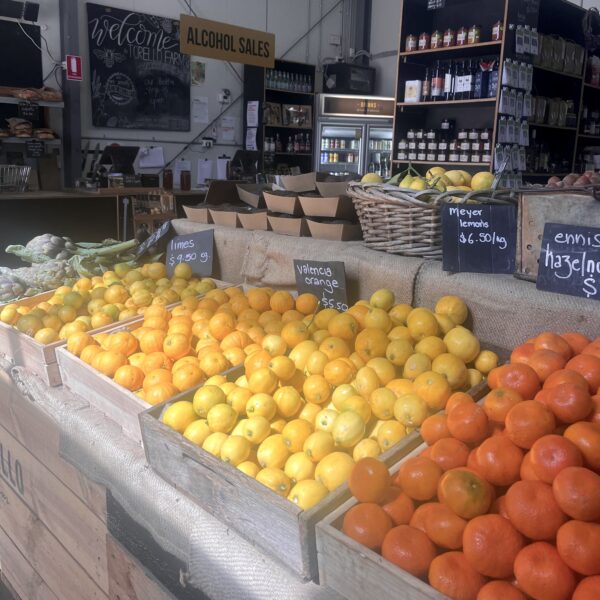
For older Australians living on a limited income, the cost of groceries can make healthy eating difficult. Transport challenges, limited mobility and living far from shops with a good range of fresh food can add further barriers.

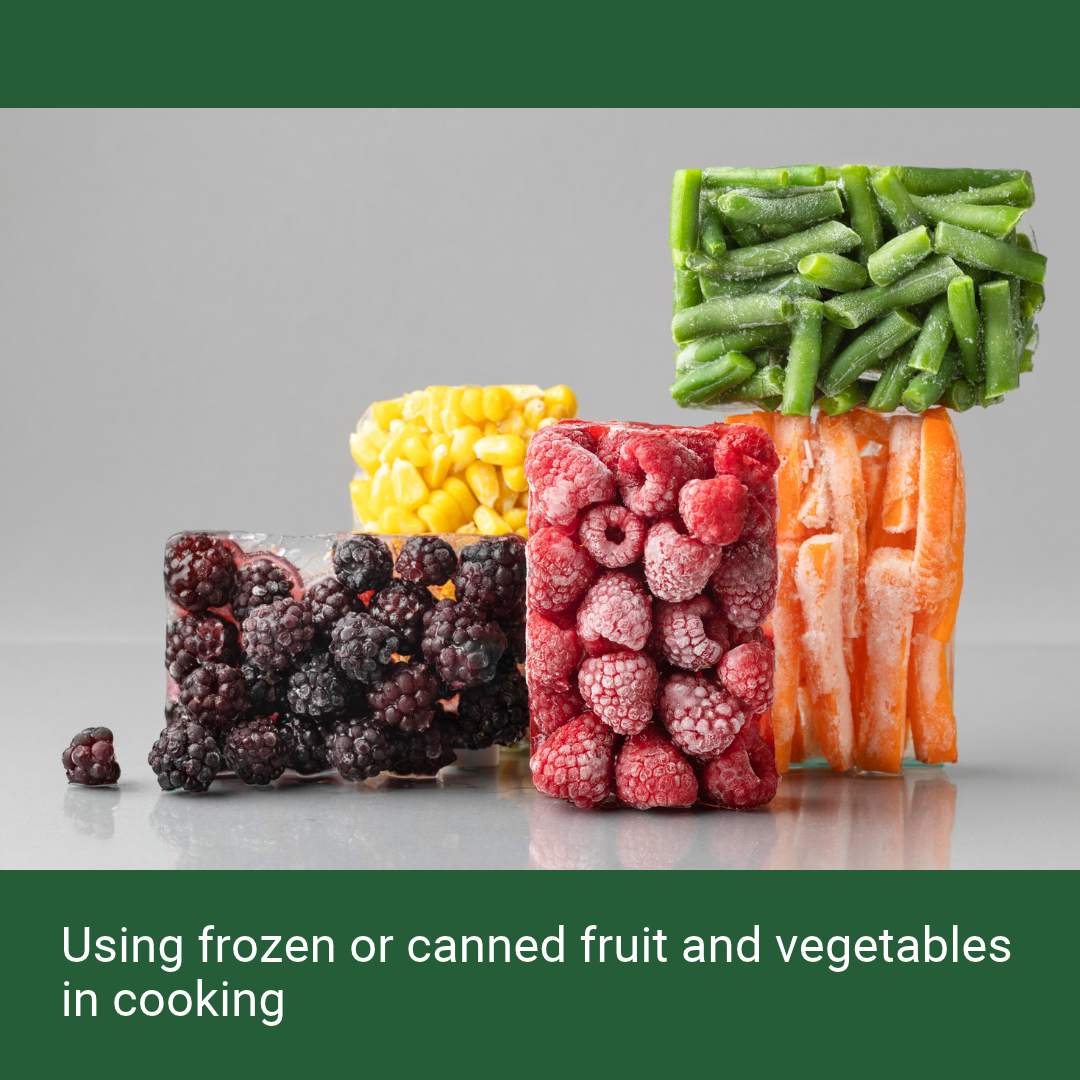
Fortunately, nutritious meals do not have to rely on expensive ingredients or fresh produce alone.

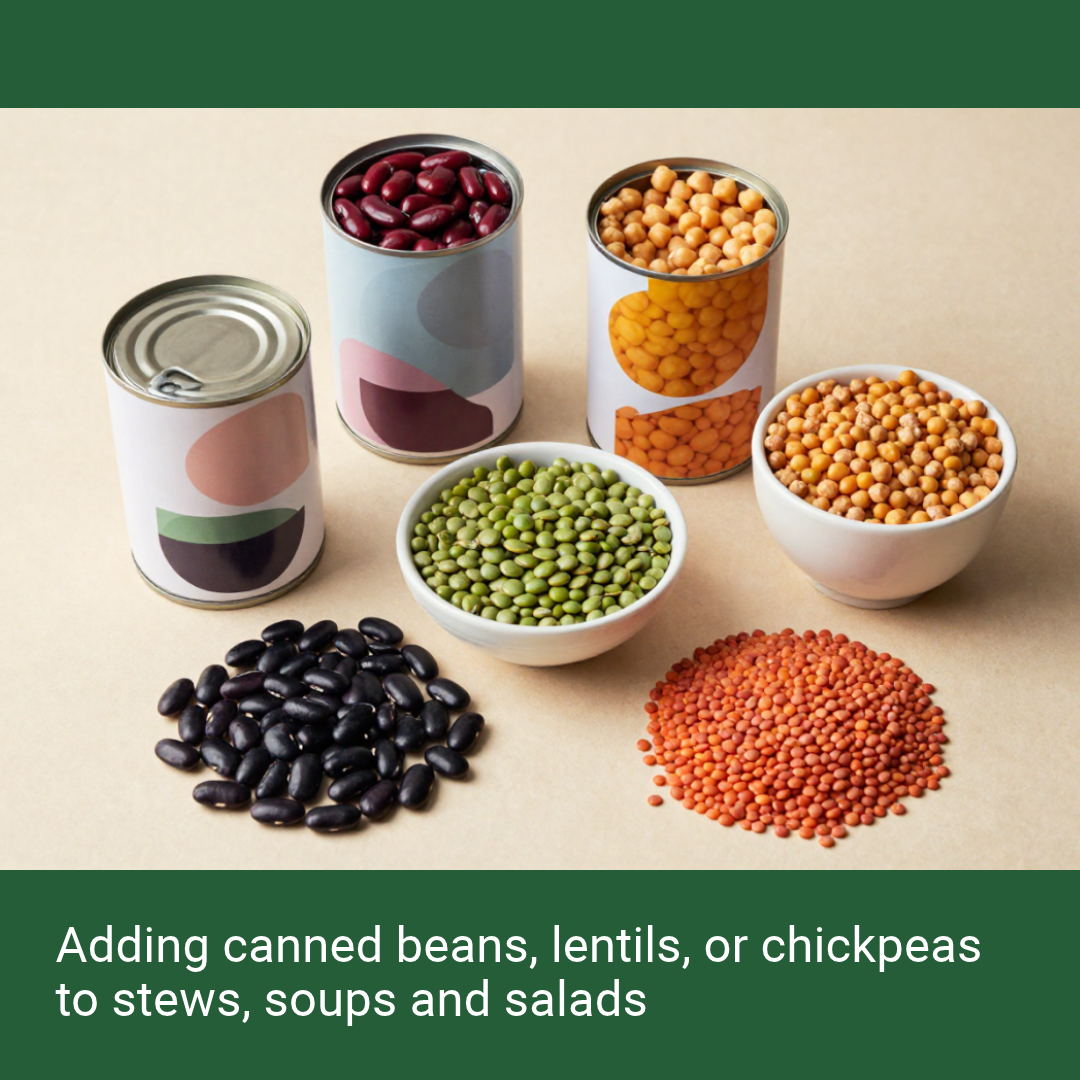
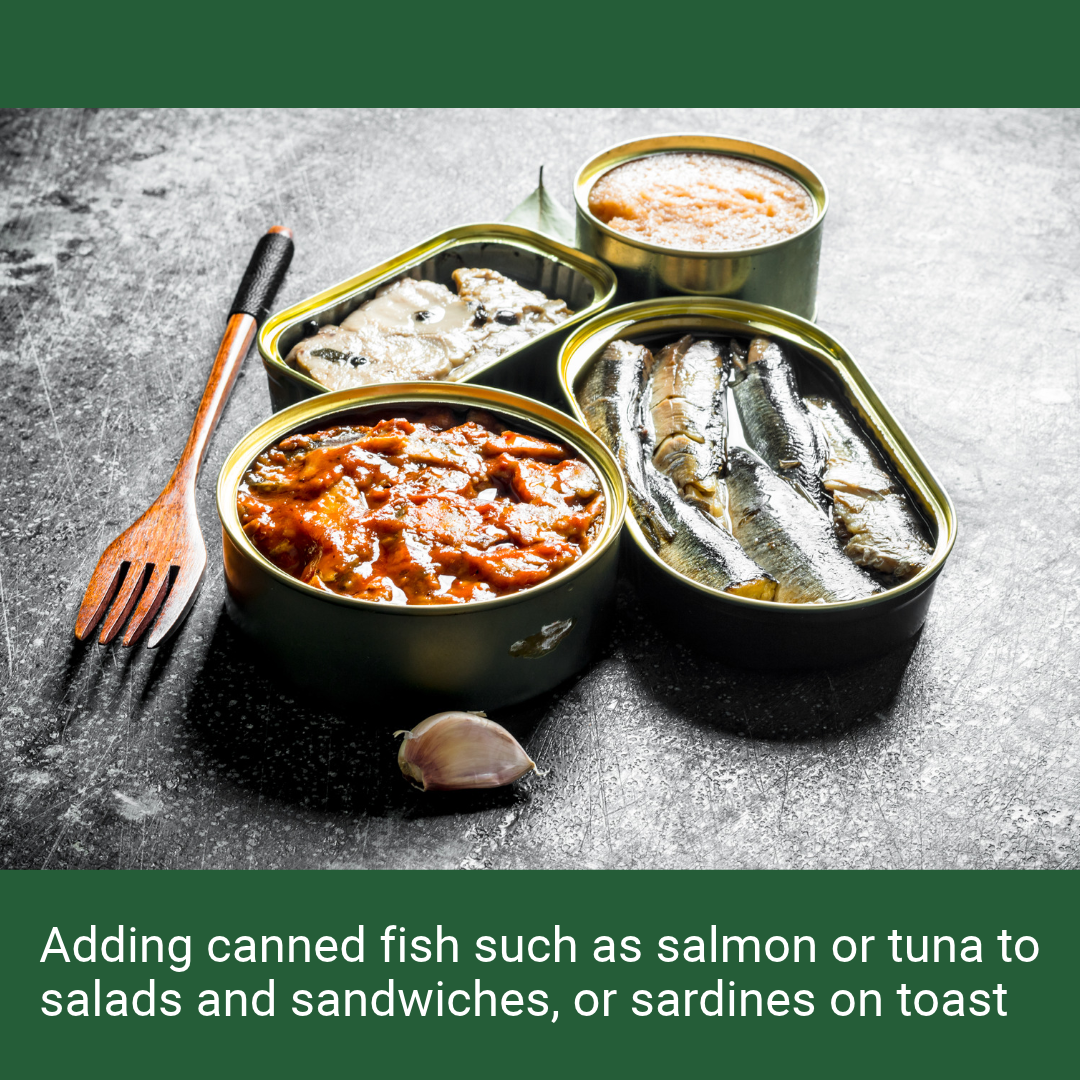
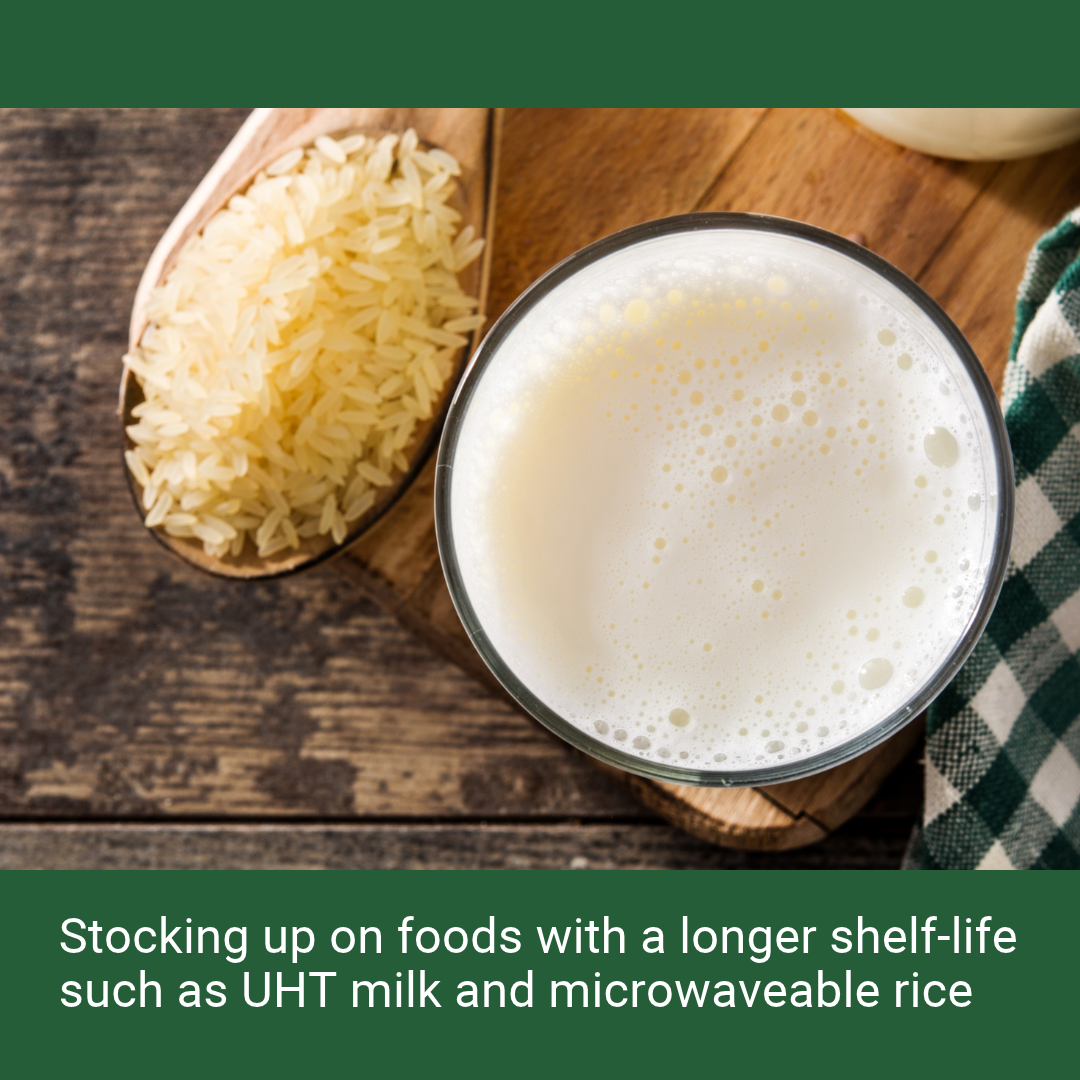
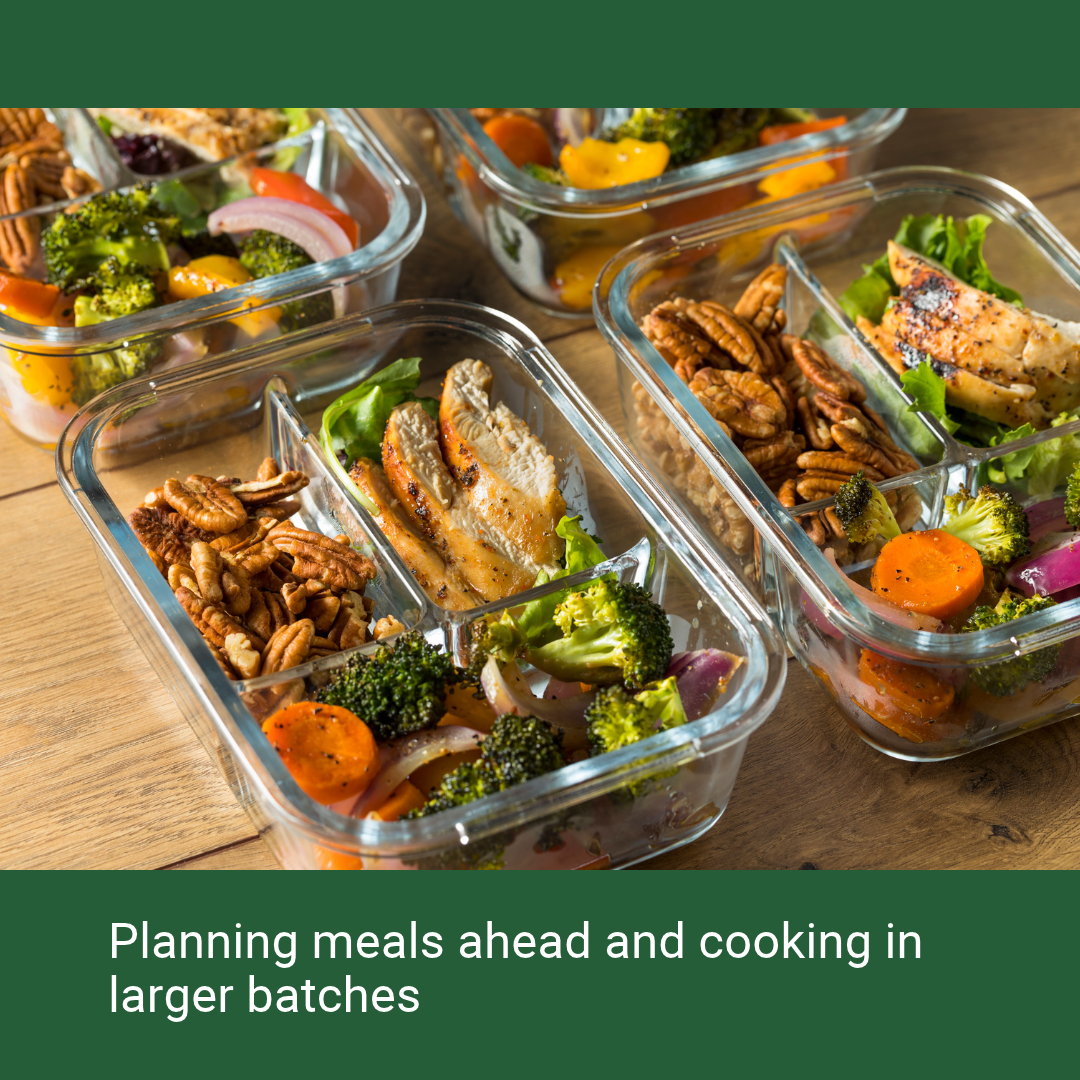
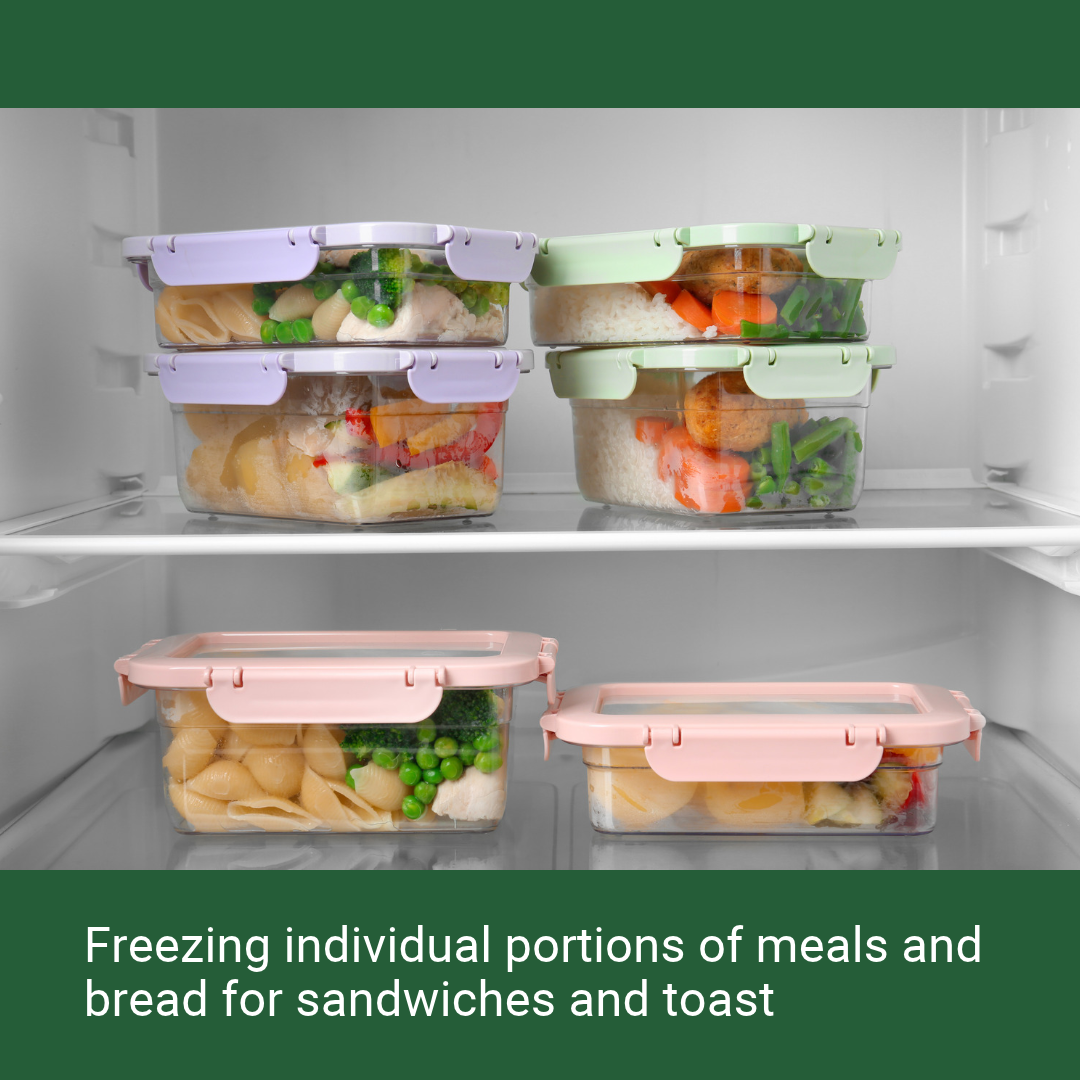
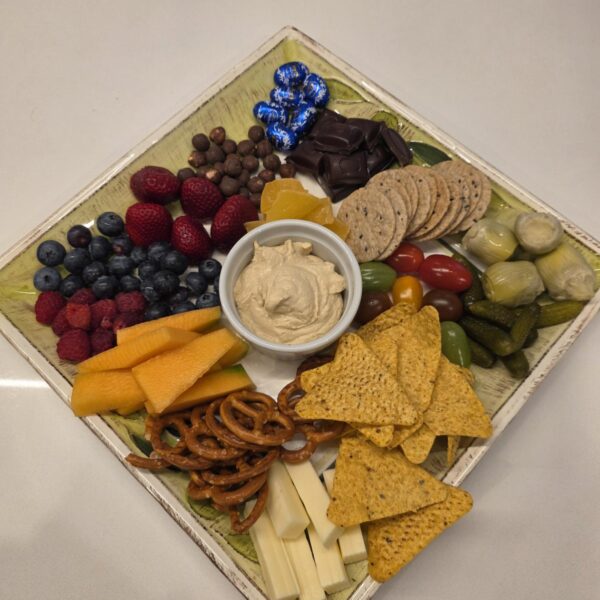
Some convenient ways to have affordable, nutritious ingredients and meals on hand include:

Where preparing food is difficult, practical support can make a meaningful difference. Older people may be able to access meal delivery or help with grocery shopping and meal preparation through government-funded aged-care programs, local councils and not-for-profit organisations. The cost may be reduced depending on the person’s eligibility and financial circumstances.  

Meal delivery, shopping assistance and meal preparation support can help address barriers to eating well and staying socially connected. By providing access to nutritious food, regular contact with others and practical help, these services can support people to remain independent at home.

Examples of meal delivery and other support services include:  

Cooking with confidence: building skills and motivation for everyday meals

As we age, changes can call for a fresh approach to meals. Some older people may be adjusting to cooking for one, a smaller budget, or changes in health and mobility.  

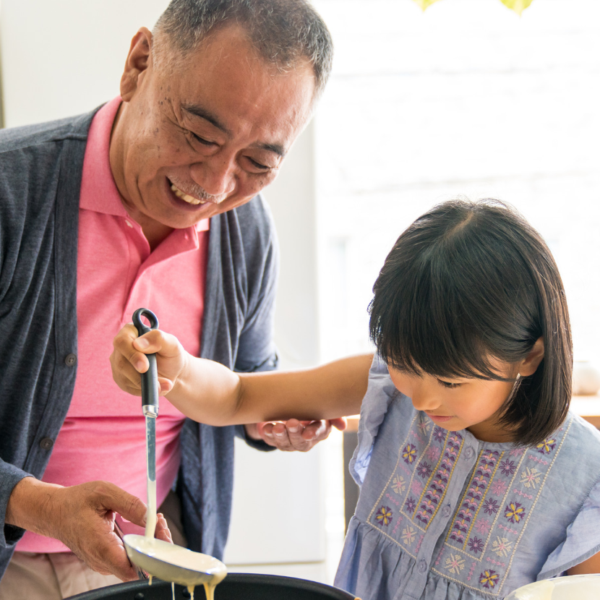
Food literacy, or the knowledge and skills to plan, choose and prepare food, can help people adapt to these circumstances. Building or refreshing practical cooking skills can make nutritious meals feel more manageable, support independence and enjoyment of food.

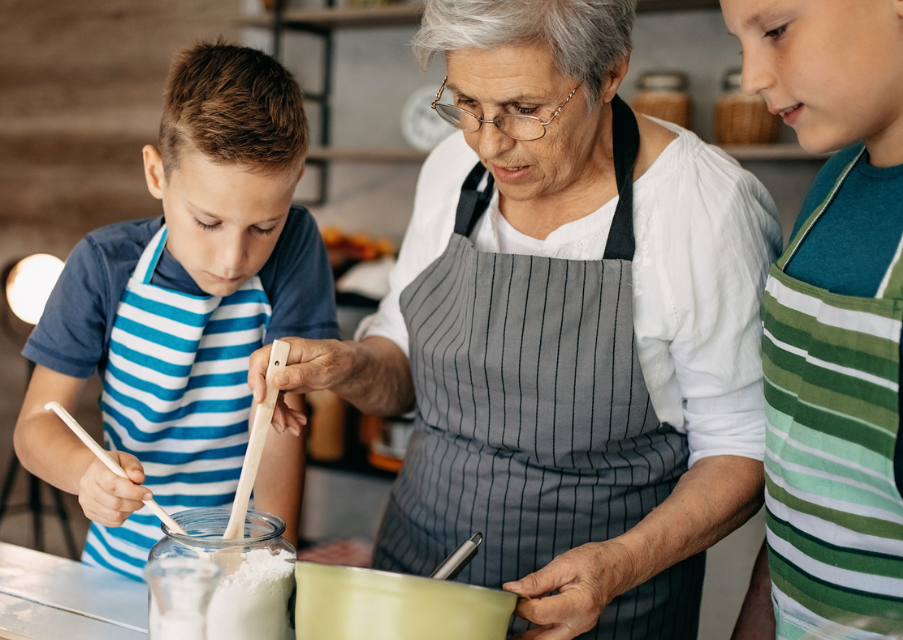
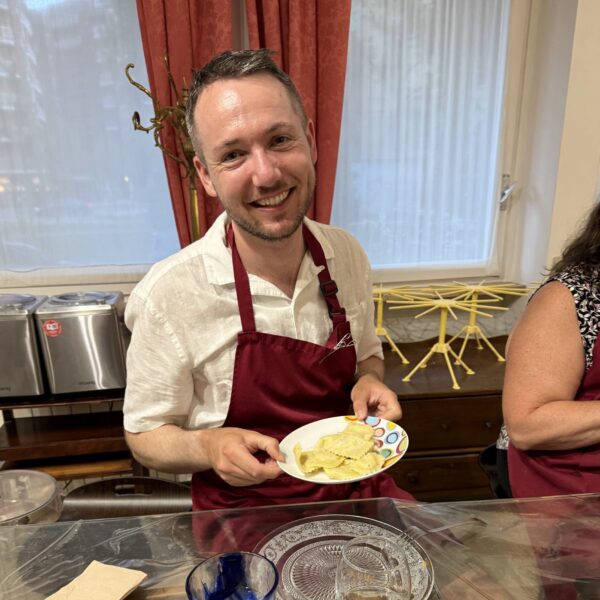
Community food skills programs offer opportunities to learn and build confidence alongside others. Some programs include: 

More than a meal: social connection shapes the way we age

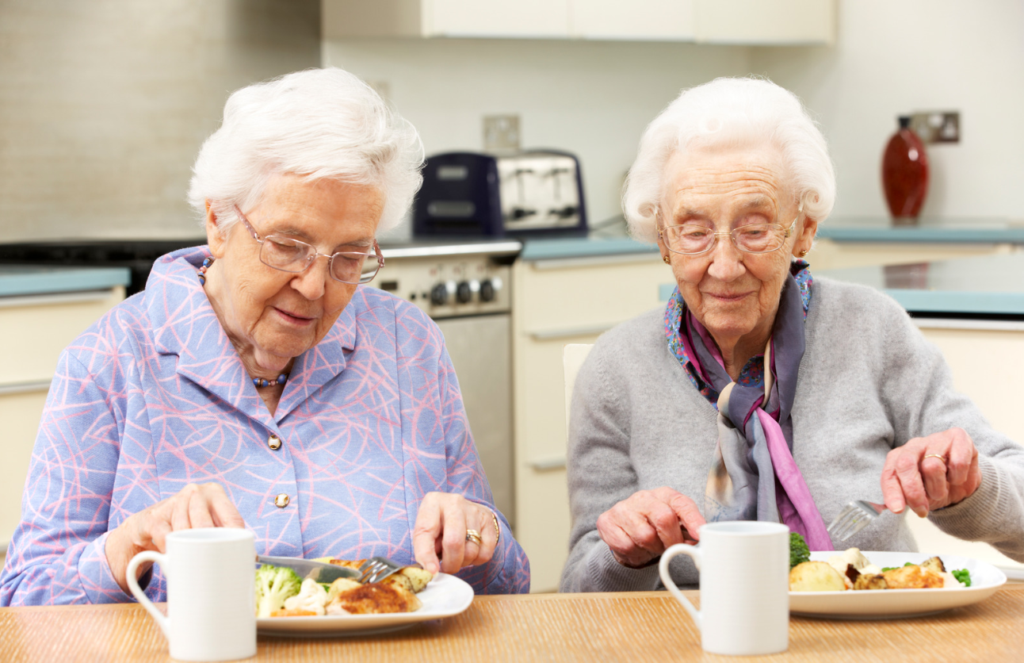
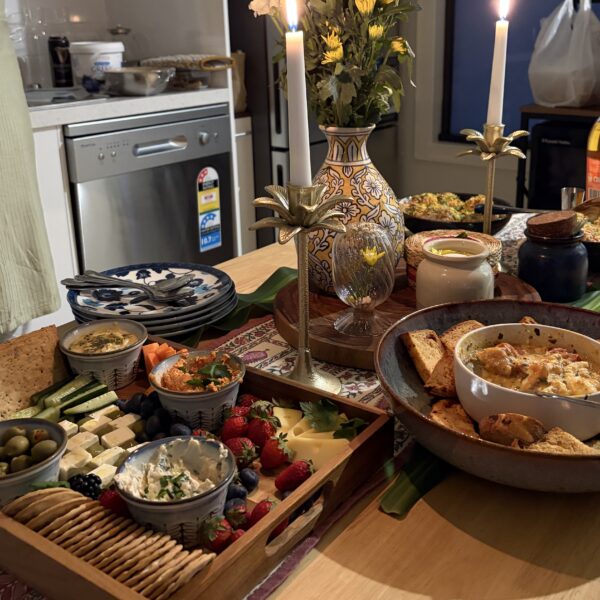
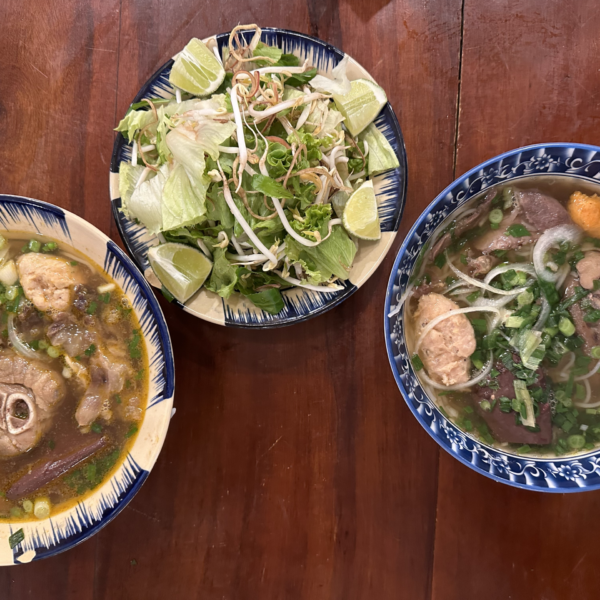
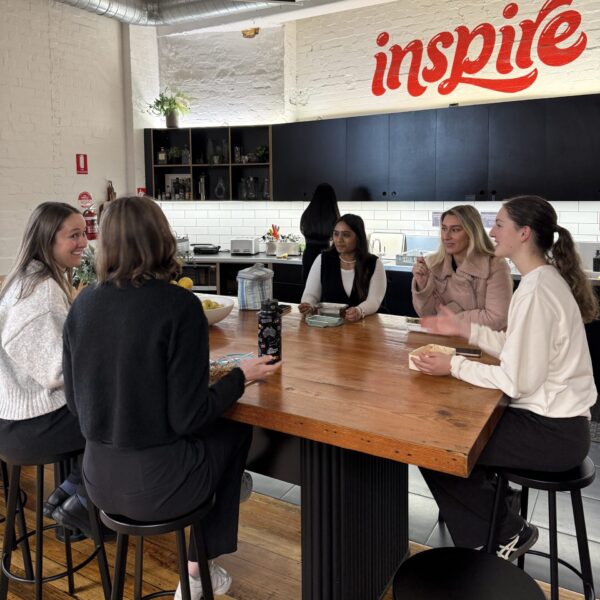
Food is about more than nourishment. It carries memories, cultural traditions and a sense of belonging. For many people, preparing and sharing meals is one of the most enjoyable ways to connect with others.  

Here are some simple ways older people can connect over food:
  • Sharing lunch or cooking with extended family, a friend or a hobby group offers opportunities to enjoy nutritious food in good company. 
  • Community kitchens and local meal programs also bring people together over food, helping build relationships.  
  • Volunteering at cooking groups or community pantries offers another way to share skills, contribute to the community and form new friendships.  
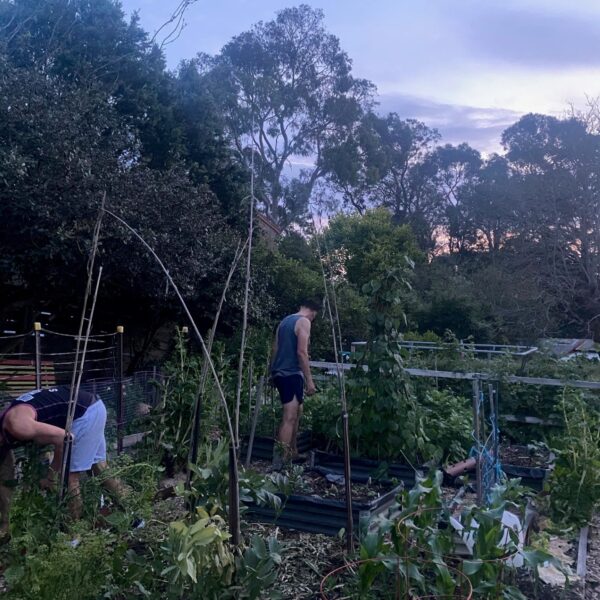
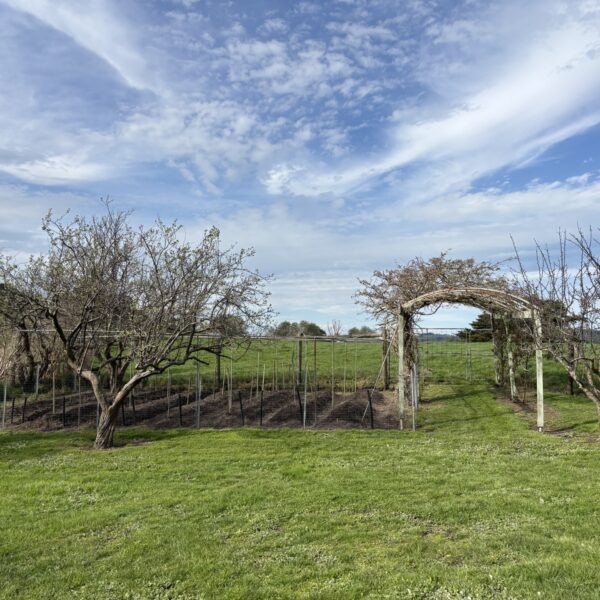
  • Community gardens bring people together to plant, grow and harvest vegetables and herbs, creating opportunities for conversation, shared learning and participation. Older people can exchange gardening knowledge, pass on cultural food traditions and connect with younger generations. The harvest can become part of a shared meal, cooking activity or exchange of produce between neighbours.  

To explore options close to home, ask your local council, neighbourhood house or community centre about cooking groups, shared meals, community gardens and volunteering opportunities. Before joining, check the cost, transport options, accessibility and whether the activities and food suit the needs and preferences of you or your family member. 

Making healthy ageing a shared commitment

Supporting healthy ageing takes more than individual effort. It calls for practical, coordinated support across the following groups:   

  • Families and carers can help by noticing changes in appetite, sharing meals and making food preparation easier when support is welcome. 
  • Health professionals can identify nutritional risks early and provide tailored advice.
  • Community organisations can offer accessible meal programs, food assistance, social activities and gardening opportunities. 
  • Governments and policymakers also have a role in improving food affordability, transport, and access to essential services.  

Support should recognise and reflect the diversity of older Australians, including Aboriginal and Torres Strait Islander peoples, people from culturally and linguistically diverse communities, people living with disability, and those in regional and remote areas. Nutrition education and services are most effective when they respect individual preferences, cultural food practices and lived experiences. 

When offering support, a starting point might be planning one shared meal, asking about a local cooking group or talking together about what would make shopping and meal preparation easier. Someone may welcome help getting to the shops, preparing a favourite dish or finding a group, while preferring to keep other parts of their routine unchanged.  

Healthy ageing is supported when nourishing food is enjoyable, accessible and sustainable.

Growing older well means having opportunities to enjoy food and make meaningful social connections, while maintaining strength, dignity and independence.

About Justine Gayer

Volunteer - Marketing and Communications Special Projects

Justine is a nutrition communications specialist, recently returned to Australia after 17 years in Singapore and Hong Kong. She has worked throughout Southeast Asia in marketing communications roles – in the food ingredients industry, for a regional non-profit organising seminars on public health nutrition issues, and project work for public health nutrition consultants. She has master’s degrees in human nutrition and public health from Deakin University, and is interested in the psychology underlying our eating behaviours, and how we overcome barriers to eating well.

More articles by Justine Gayer
Site by Sod