There’s no doubt that grocery shopping has become more expensive. Many Australians have noticed the cost of fresh fruit, vegetables, and everyday pantry staples creeping up over the past few years, making it harder to stick to a budget while still eating well.
Extreme weather has reduced crop yields, while labour shortages, and increased transport, energy and farm-input costs make it more expensive to grow and move produce to consumers. These pressures are then reflected in supermarket prices.
The good news? Communities across Australia are finding creative ways to make nutritious food more affordable.
A growing number of community-based grocery and fresh produce programs are helping households access nutritious food at lower prices by buying in bulk, sourcing directly from farmers and reducing the costs that can build up along the supply chain.
Community-based social enterprises
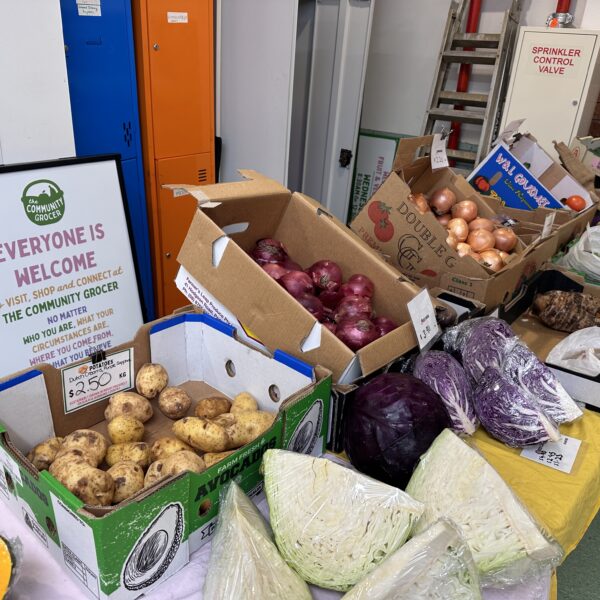
The Community Grocer is a not-for-profit social enterprise that improves access to fresh, affordable and culturally relevant food for communities across Melbourne. Operating weekly community markets in areas where people may face barriers to accessing nutritious food, including financial stress, limited transport options, and a lack of local fresh produce, The Community Grocer provides low-cost fruit, vegetables and other fresh foods in welcoming, inclusive spaces.
The organisation’s model emphasises dignity, choice, and active community participation, ensuring that shopping for food remains a respectful and empowering experience. Their Grocer Gift Card program offers relief by distributing vouchers that allow individuals in need to select their own items at the market with independence and reduces potential waste.
Beyond selling produce, the organisation revitalises and strengthens local food systems, fosters social connection, and collaborates with partners such as councils, community organisations and food relief providers. Its markets help households access nutritious food while creating places where people can meet, volunteer, build skills and feel more connected to their local community. One way The Community Grocer does this is by encouraging local multicultural microenterprises to set up food stalls at the markets, promoting the sharing of culture through food.
Impacting over 400 households each week, recent research conducted by The Community Grocer has shown that 83% of their customers feel more connected to their community, and 70% have increased their fruit and vegetable consumption, since accessing the markets.
Online food co-operatives and hubs
Buying collectively and sourcing directly from growers – online food co-operatives provide an alternative to traditional supermarkets. This shortening of the supply chain reduces costs, minimises food and packaging waste, and provides fresher food at competitive prices while paying farmers a larger share of the purchase price.
- Victoria: CERES Fair Food operates an online grocery delivery service that supplies local and organic fruit, vegetables, and pantry items directly to households across Melbourne. Working with nearly 200 local growers and makers to source seasonal produce while paying farmers fair prices and maintaining long-term relationships throughout the growing season, its mission is to build a more sustainable and resilient food system supporting regenerative agriculture, local food production and ethical supply chains. Profits are reinvested into environmental education, urban farming and community programs. Prioritising waste reduction through returnable, reusable and compostable packaging, and soft-plastic collection helps households reduce their environmental footprint.
- Queensland: Food Connect Shed is Brisbane’s first community-owned food hub, bringing together farmers, food entrepreneurs, social enterprises, community groups, and changemakers through shared facilities – including commercial kitchens, warehousing, co-working spaces, and event venues – alongside networking and business support. Their Shed Buyers Club is a volunteer-run bulk buying initiative where members can save money by ordering directly from ethical, local farmers and producers – strengthening connections between producers and consumers, supporting fair returns for farmers, and reducing food miles.
- New South Wales/ACT/Victoria: Box Divvy is a community-based food co-operative and social enterprise that connects households directly with farmers and food producers through local neighbourhood “Hubs”. Members order locally sourced fresh produce and other food items through an app, and their orders are combined with those of other members before being delivered to a local Hub for collection. The model is built around community participation: each Hub is run by a local “Hubster” who coordinates orders and distribution.
Online marketplaces
Part of a global community that helps local food producers sell directly to consumers and collaborate with each other, Open Food Network Australia is a not-for-profit, open-source platform providing an online marketplace that farmers, food hubs, cooperatives, buying groups, and farmers’ markets can use to sell food online. Its goal is to create food systems that are fairer, more local, transparent, and sustainable.
Local neighbourhood initiatives
Many local communities across Australia are also establishing their own food cooperatives, food hubs and bulk-buying groups through neighbourhood houses, community centres and local councils. These initiatives enable residents to pool their purchasing power, reducing costs while creating opportunities to connect with neighbours and support local food producers.
Informal digital networks have popped up in local communities. Chinese Australian families are using messaging app WeChat for community group-buying through Asian grocers, proving to be an effective method for reducing grocery expenses by accessing wholesale prices.
Benefits beyond savings
Community food models can help reduce food waste, strengthen local economies and encourage people to eat more fresh, seasonal foods. Households gain access to affordable, nutritious ingredients while enjoying a collaborative environment, encouraging social inclusion and connection, where members exchange recipes, nutritional advice, and cooking tips.
Affordable nutritious food is a community effort
Explore the community food initiatives in your area. Whether it’s a local food cooperative, farmers’ market, community grocer, or bulk-buying group, these programs can help you access fresh, nutritious food at lower prices while supporting local farmers and strengthening your community. If these services don’t exist in your area, consider working with neighbours and local organisations to start one. By working together and supporting local food networks, you can save money, eat well, and help build a fairer and more sustainable food system for everyone.