Food is a big part of life. It fuels your body for school, sport, study, and everything in between. It can also be a source of enjoyment, and connection to friends, family, and culture.
Now that you’re a teenager, you might be choosing what to eat more often, making your own meals, cooking for family or friends, grabbing something on the way home, training for sport, studying late or figuring out what makes you feel good.
With so much information and advice out there about food and nutrition, figuring out what works for you can feel overwhelming and sometimes confusing.
That’s where Love what you eat: teen edition comes in – to give you the knowledge, skills and confidence to make your own food choices, enjoy a variety of foods, and love what you eat.
School, sport, study, work, hobbies, and hanging out with friends can make your week feel full before it has even started. Food is one of the ways your body gets the energy and nutrients it needs to think, move, play and get through it all.
Eating regular meals throughout the day provides the fuel to get the most out of your day and make it easier to concentrate, learn and enjoy what you’ve got planned.
Different foods bring different nutrients to the table. Eating a variety of foods over the day and week helps your body get what it needs.
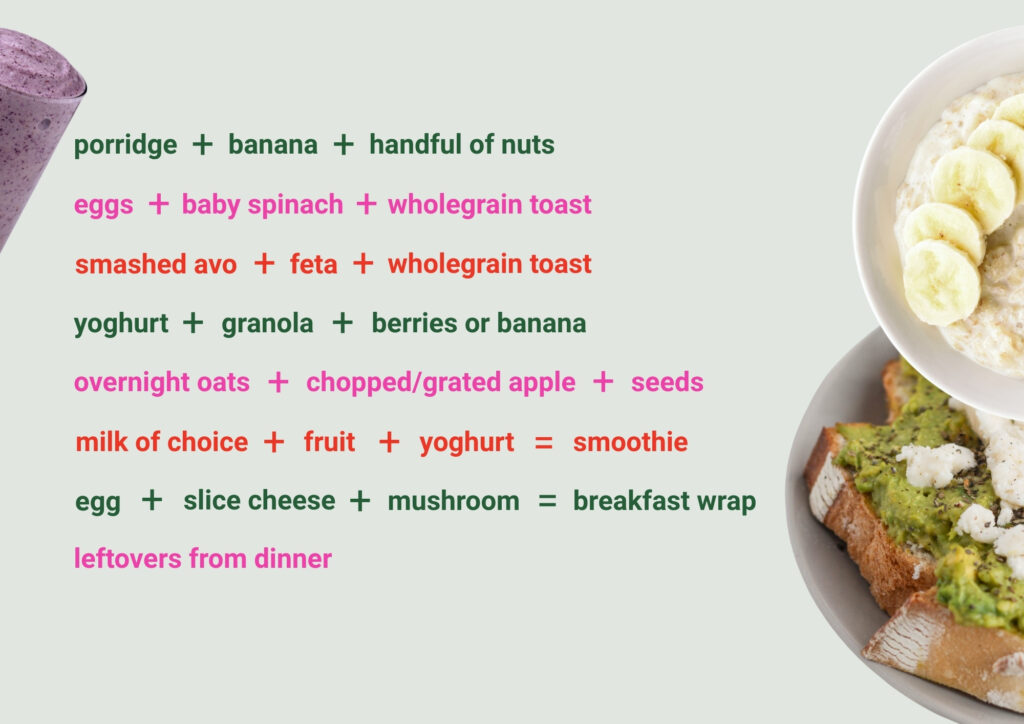
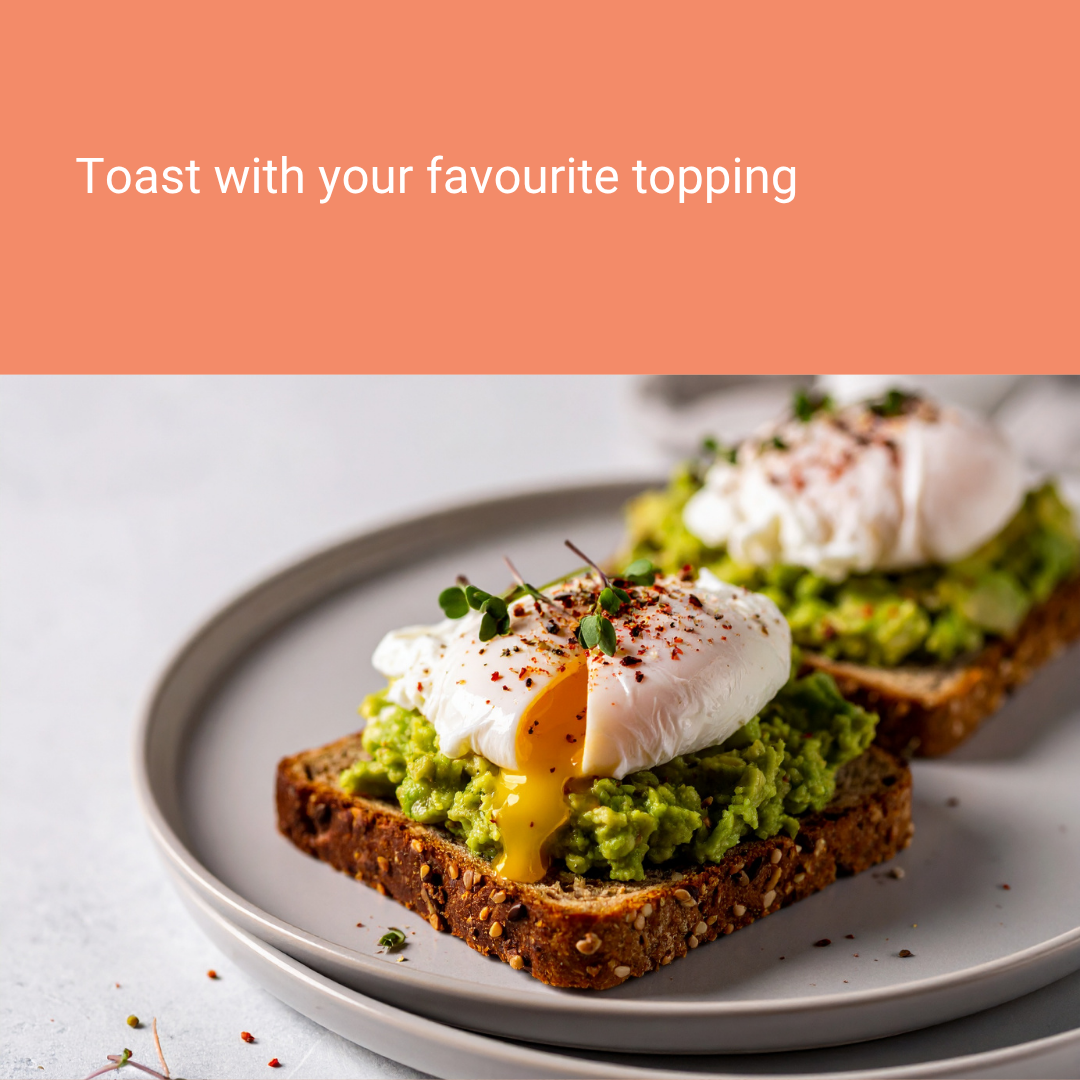
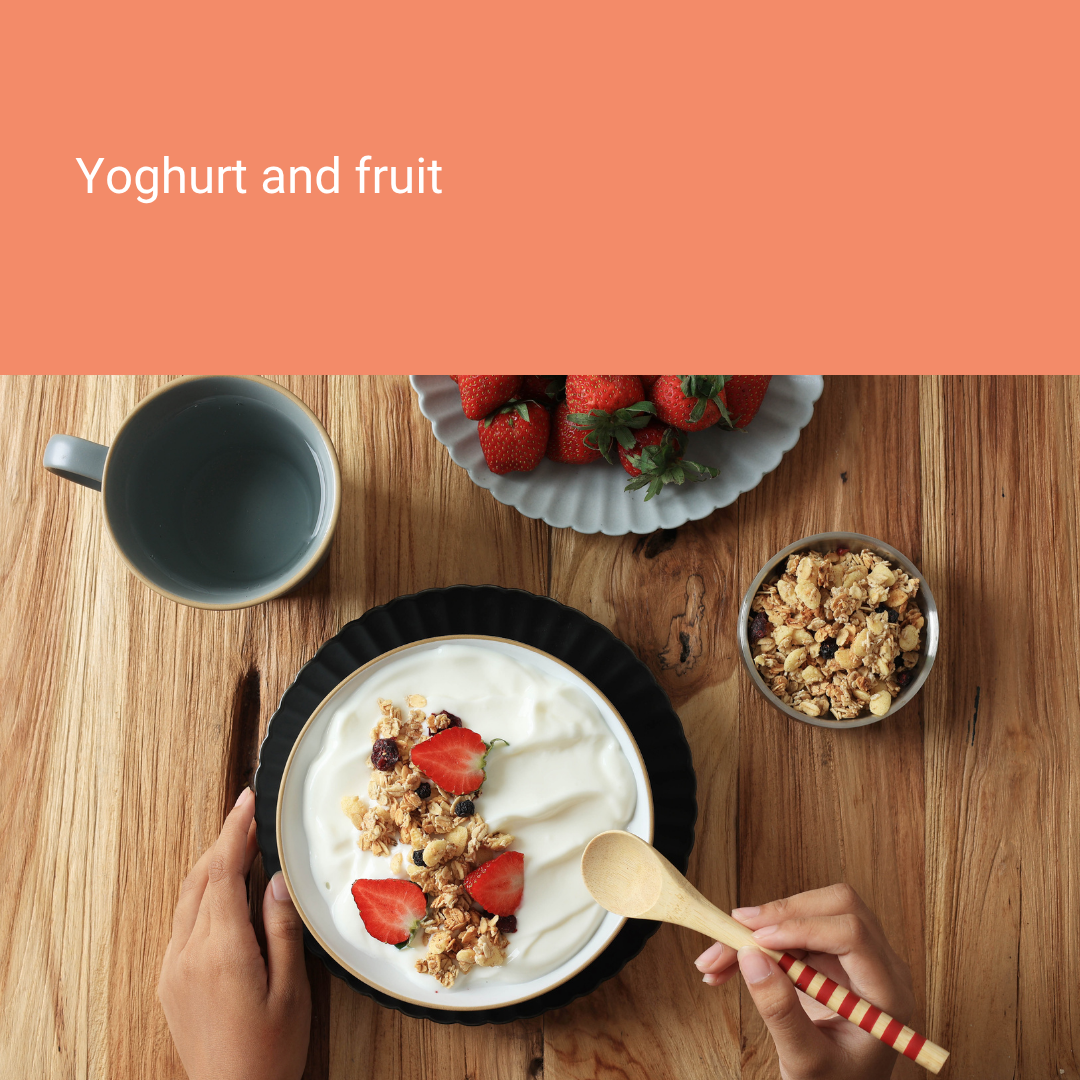
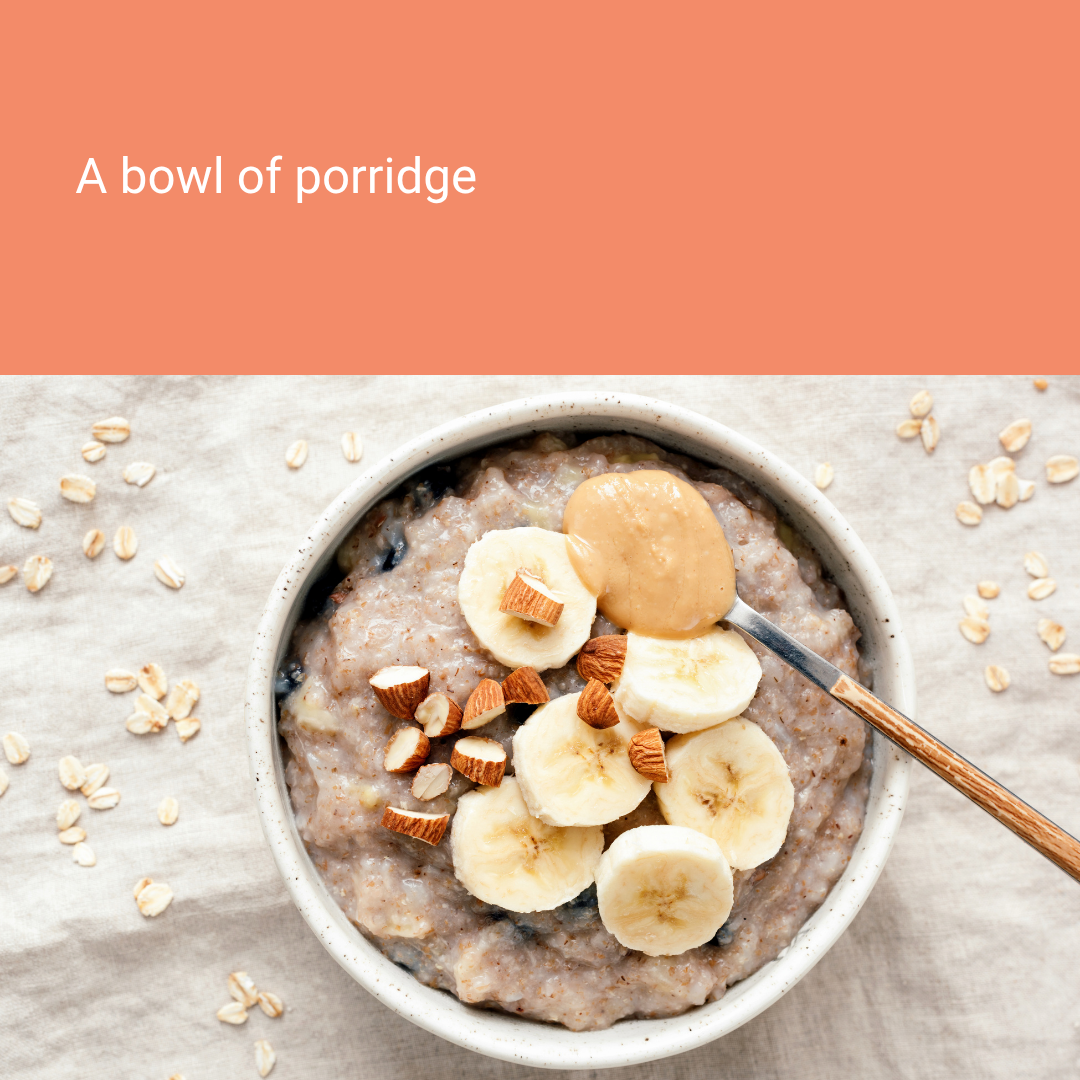
Breakfast gets a lot of attention, but there is not one breakfast that fits everyone. Having a breakfast that’s filled with nutritious foods helps fuel your day.
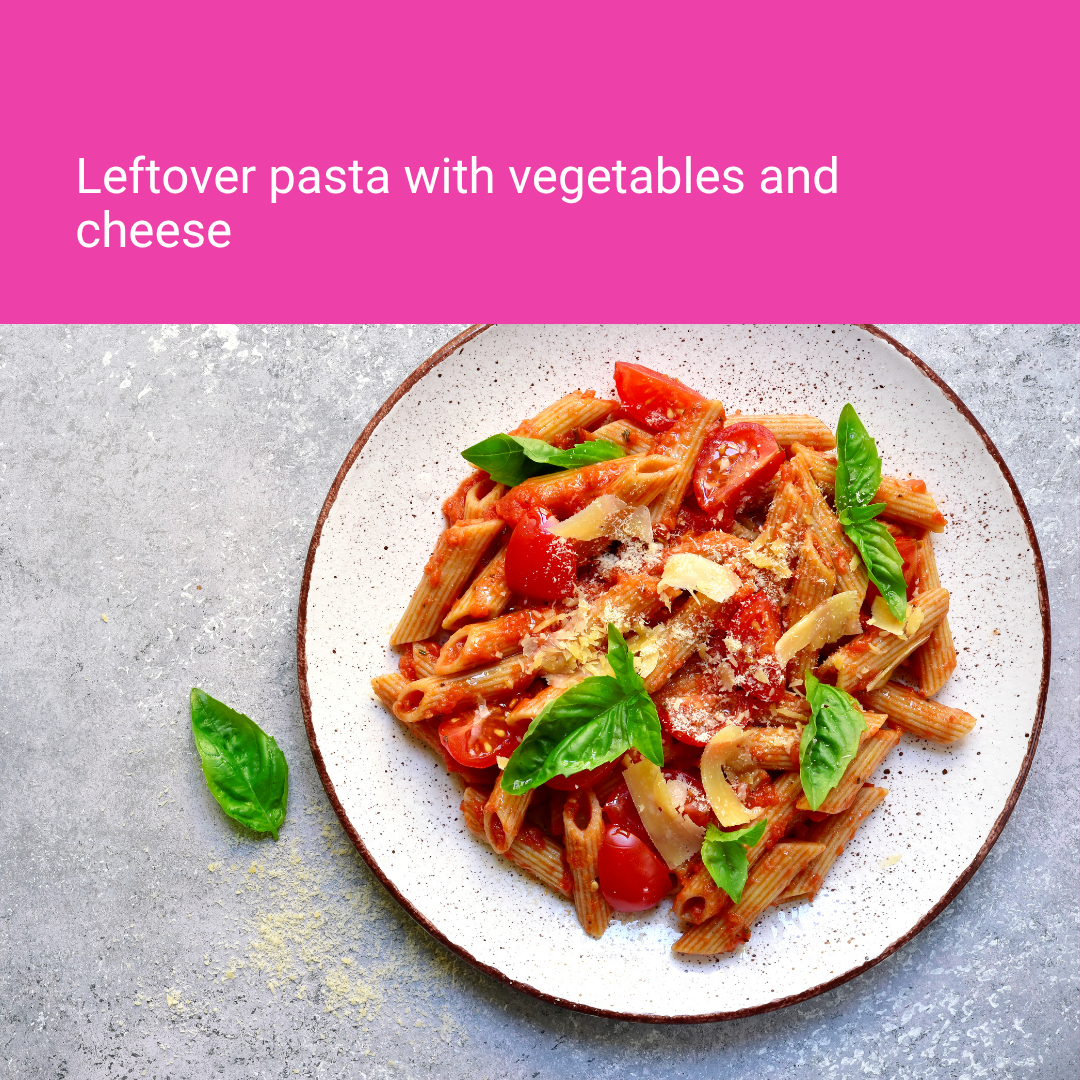
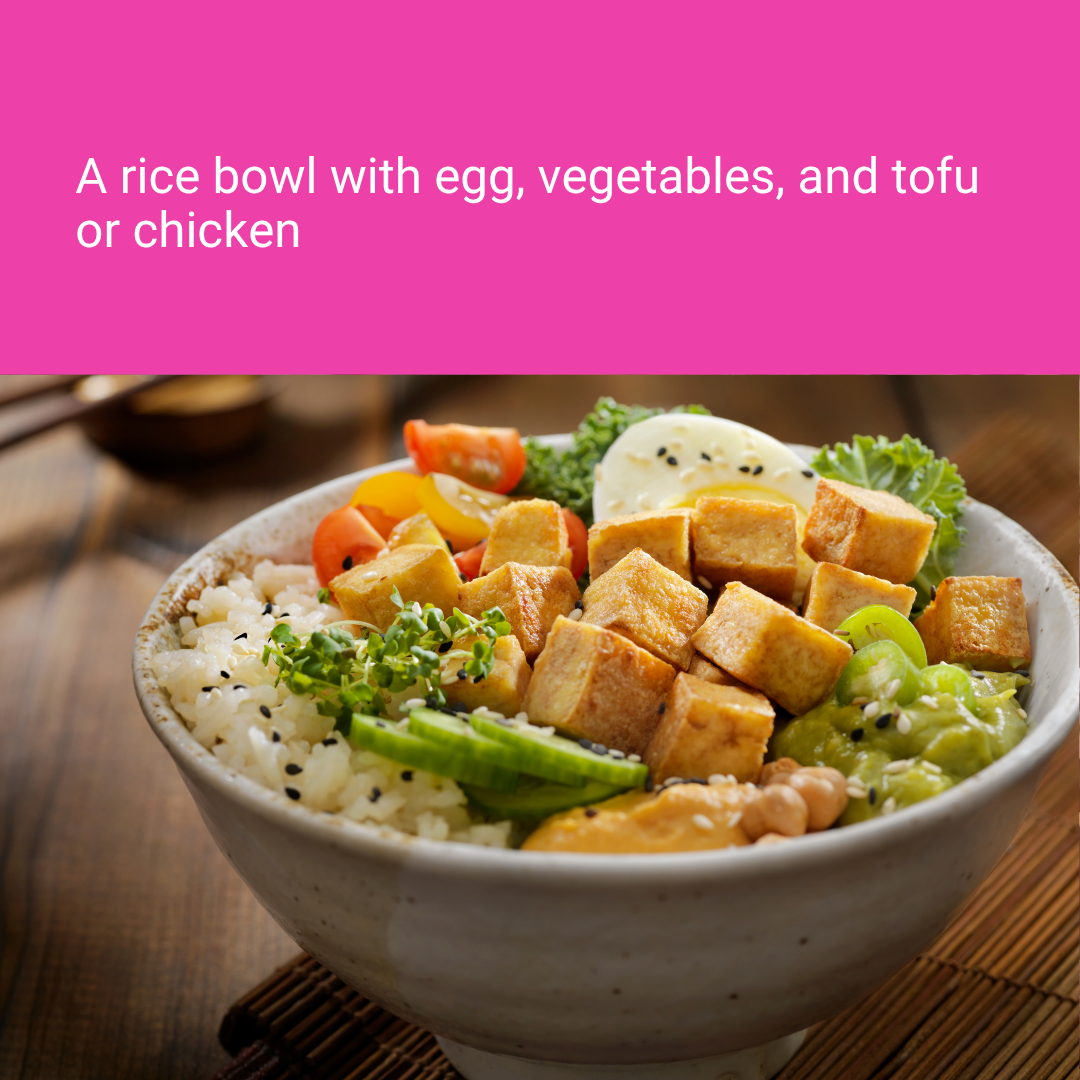
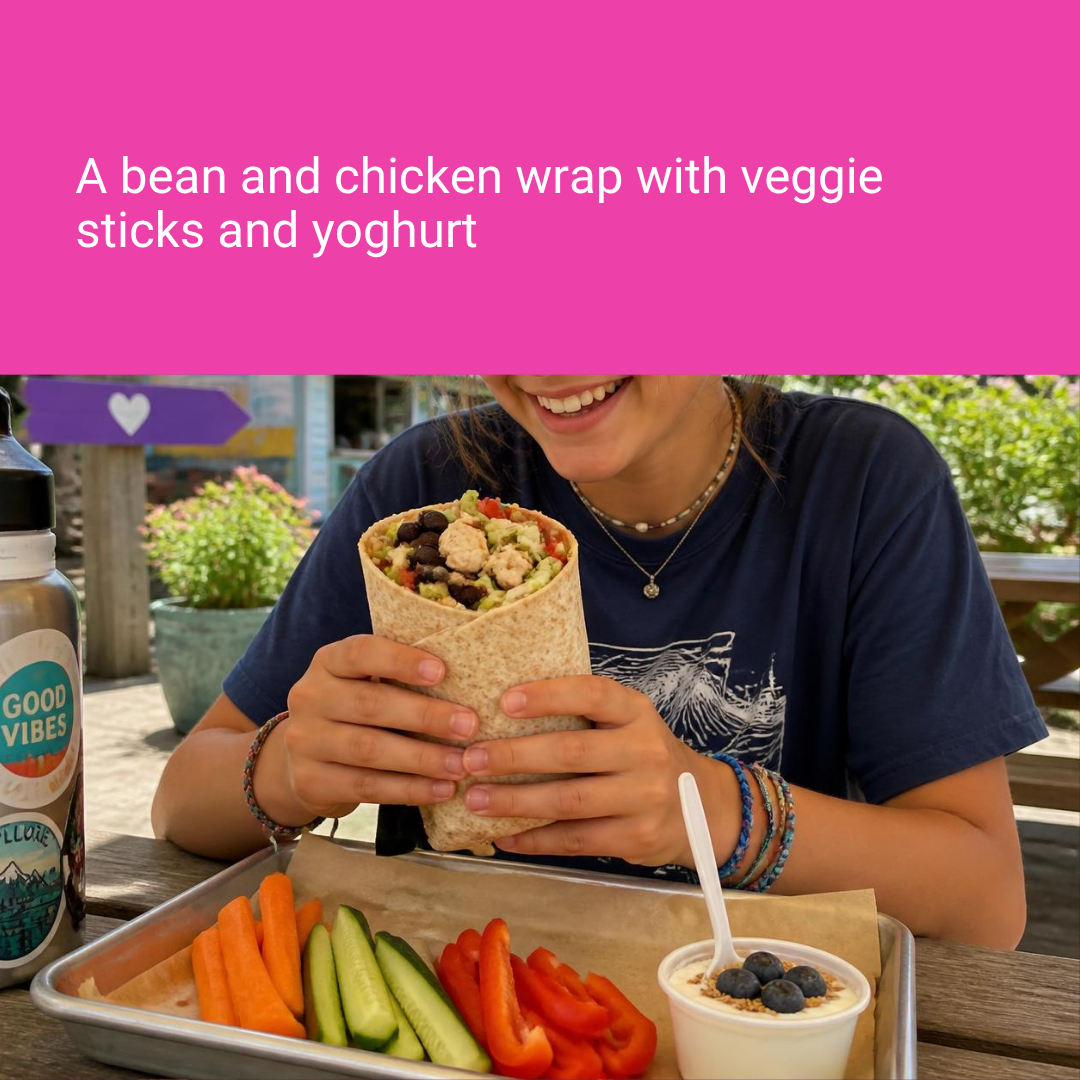
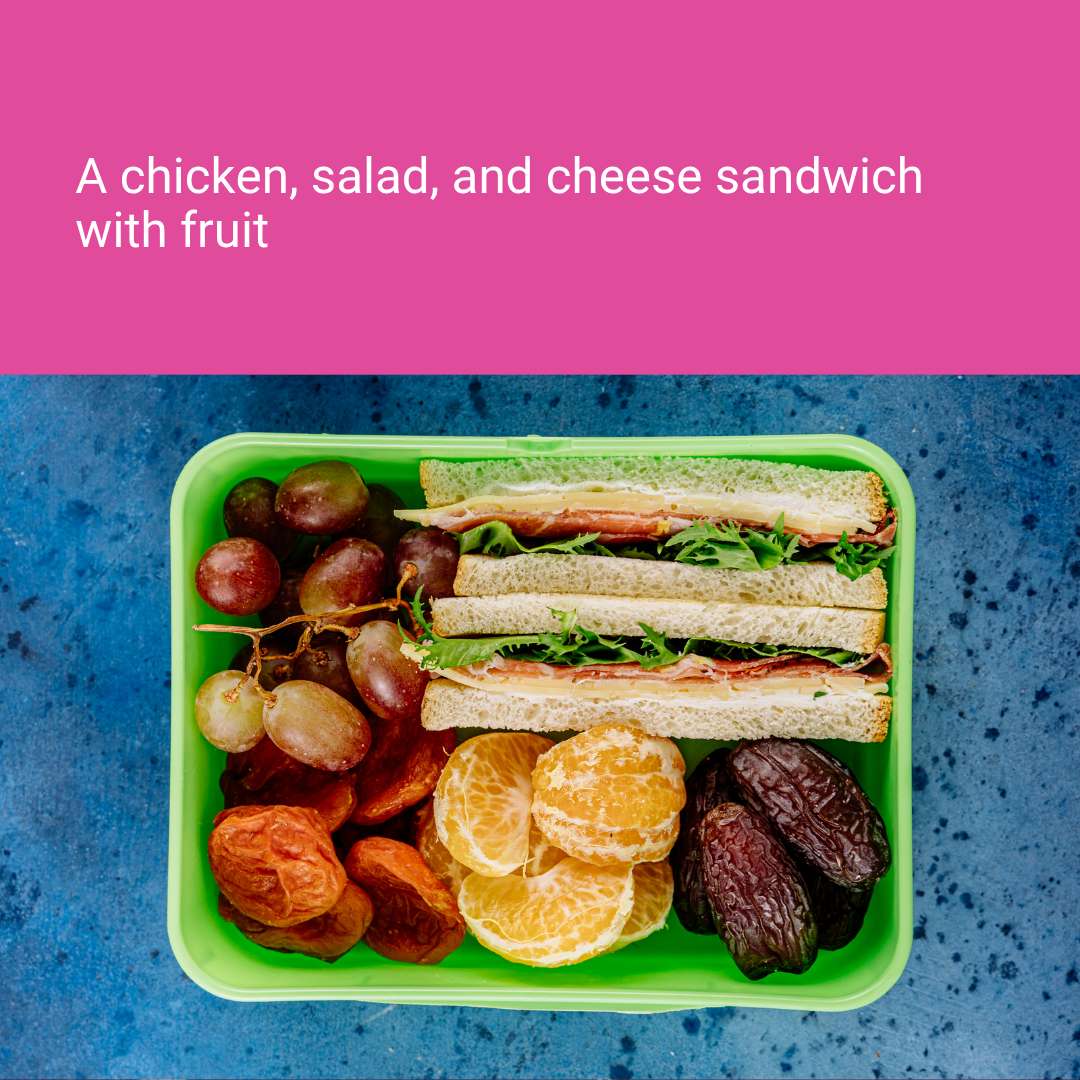
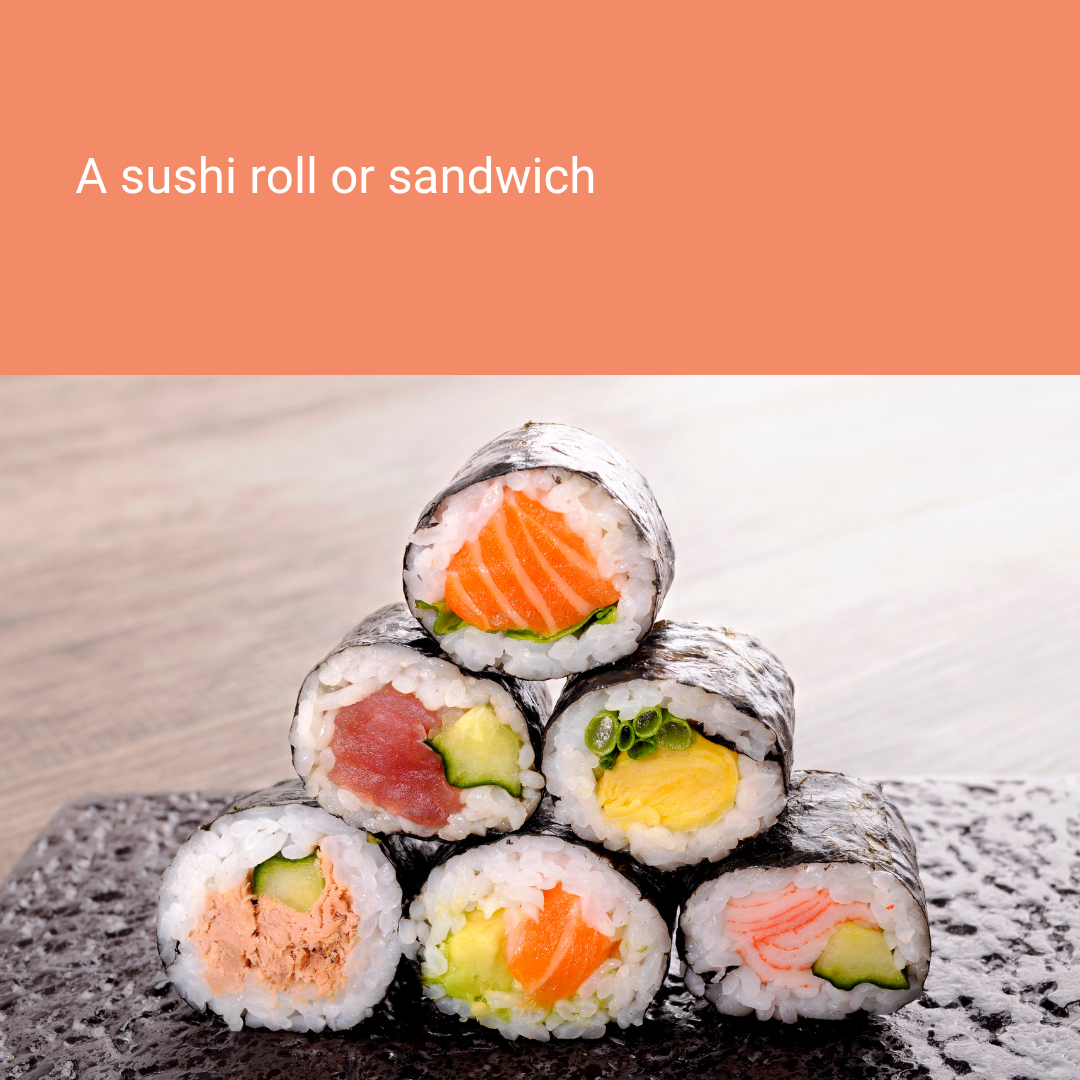
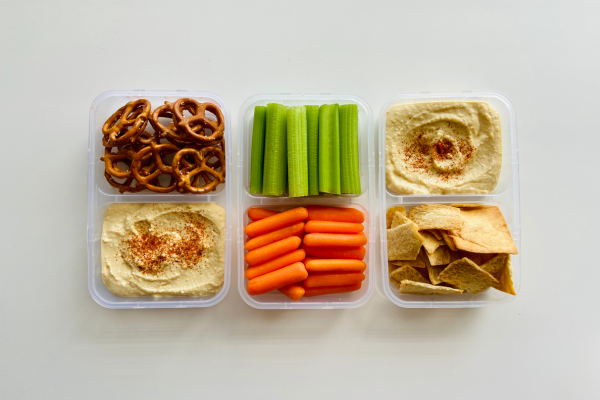
Packing a lunchbox you’ll look forward to eating can be simple and fun.
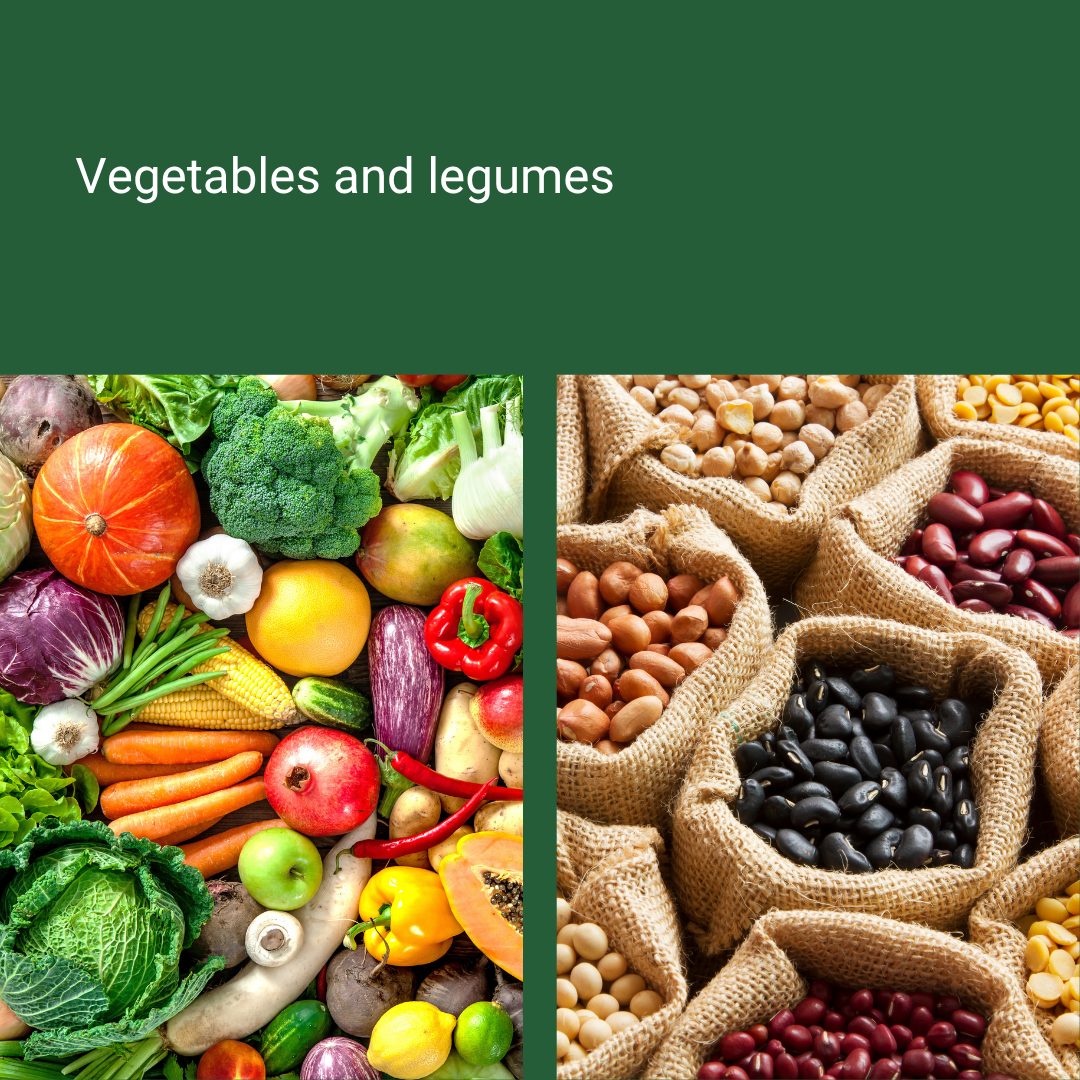
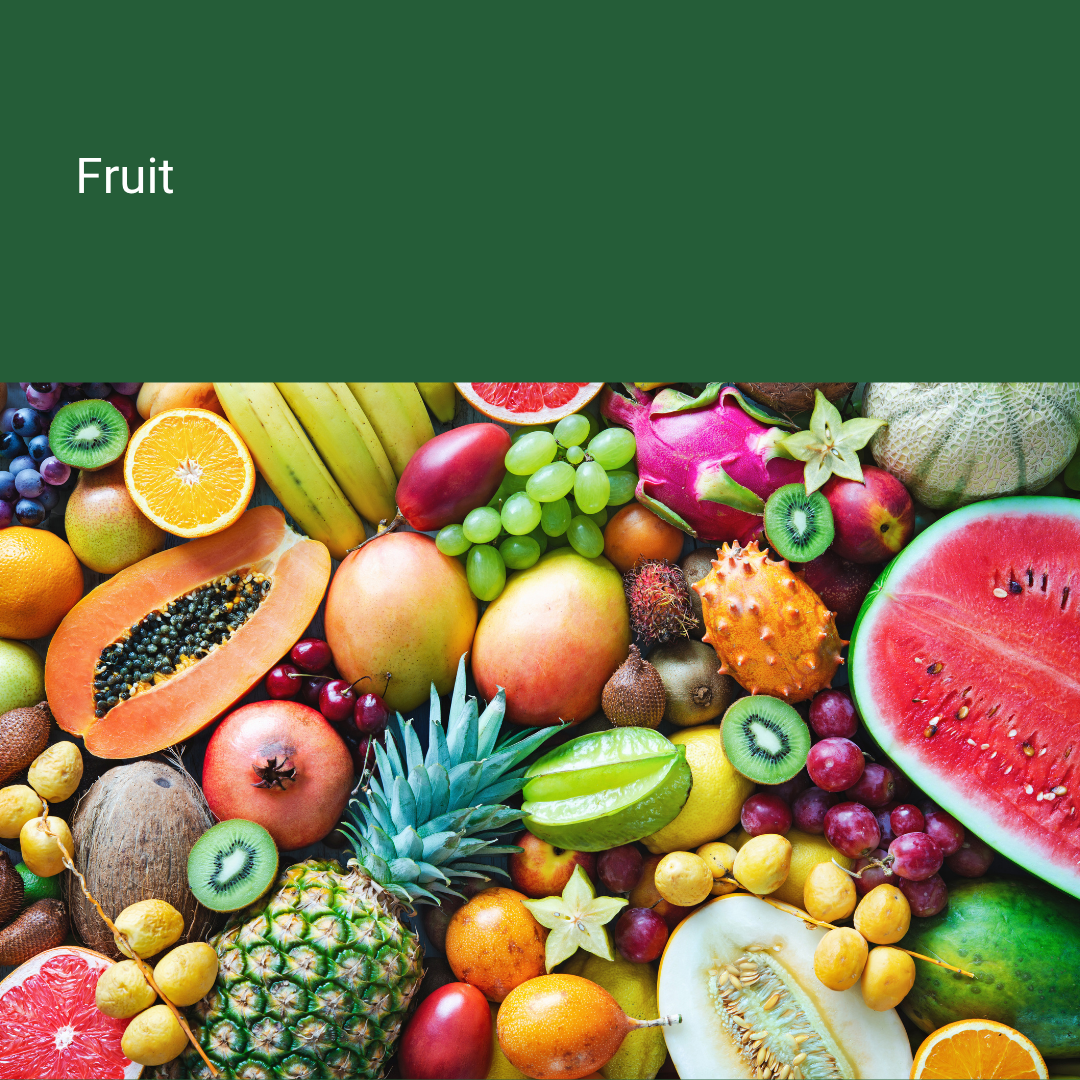
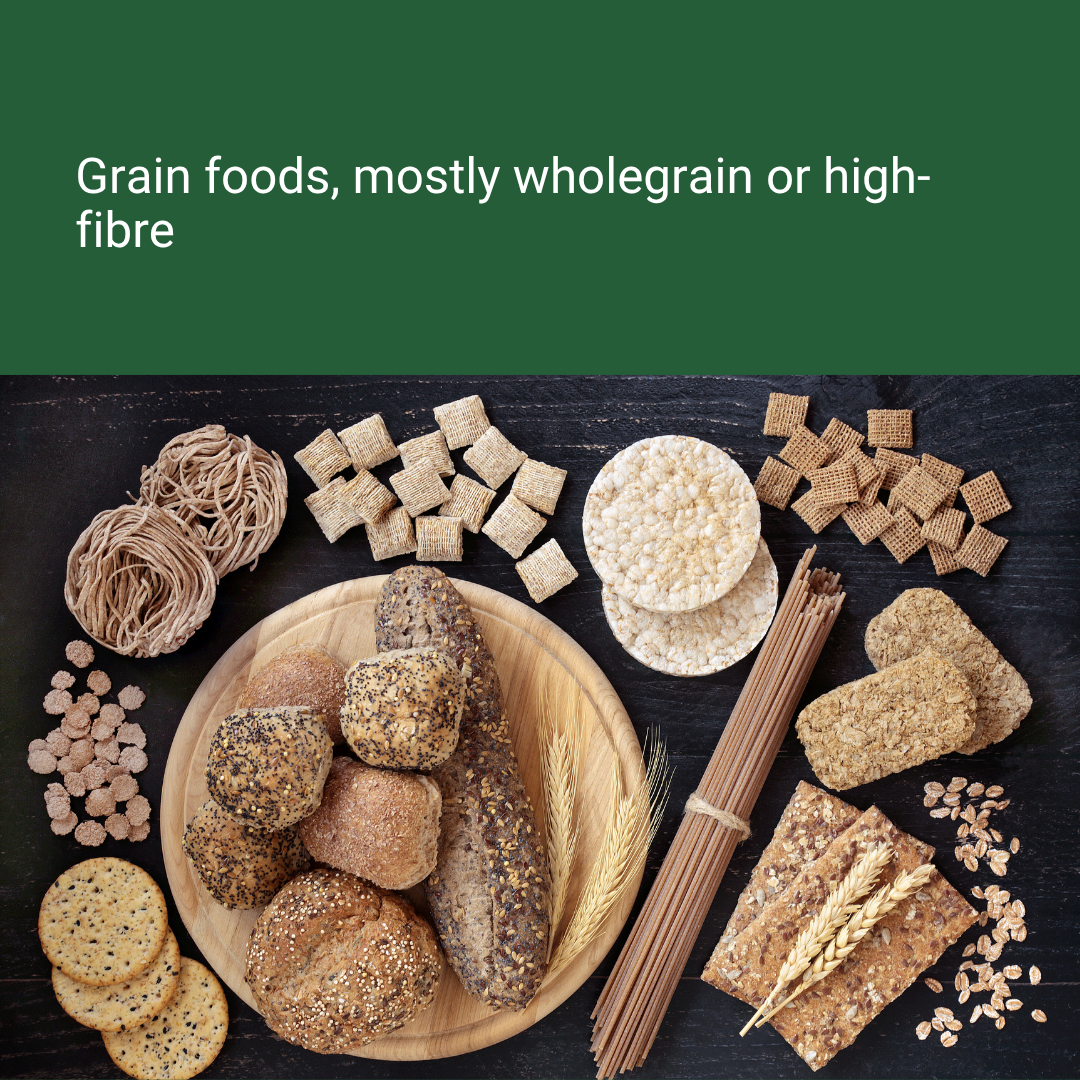
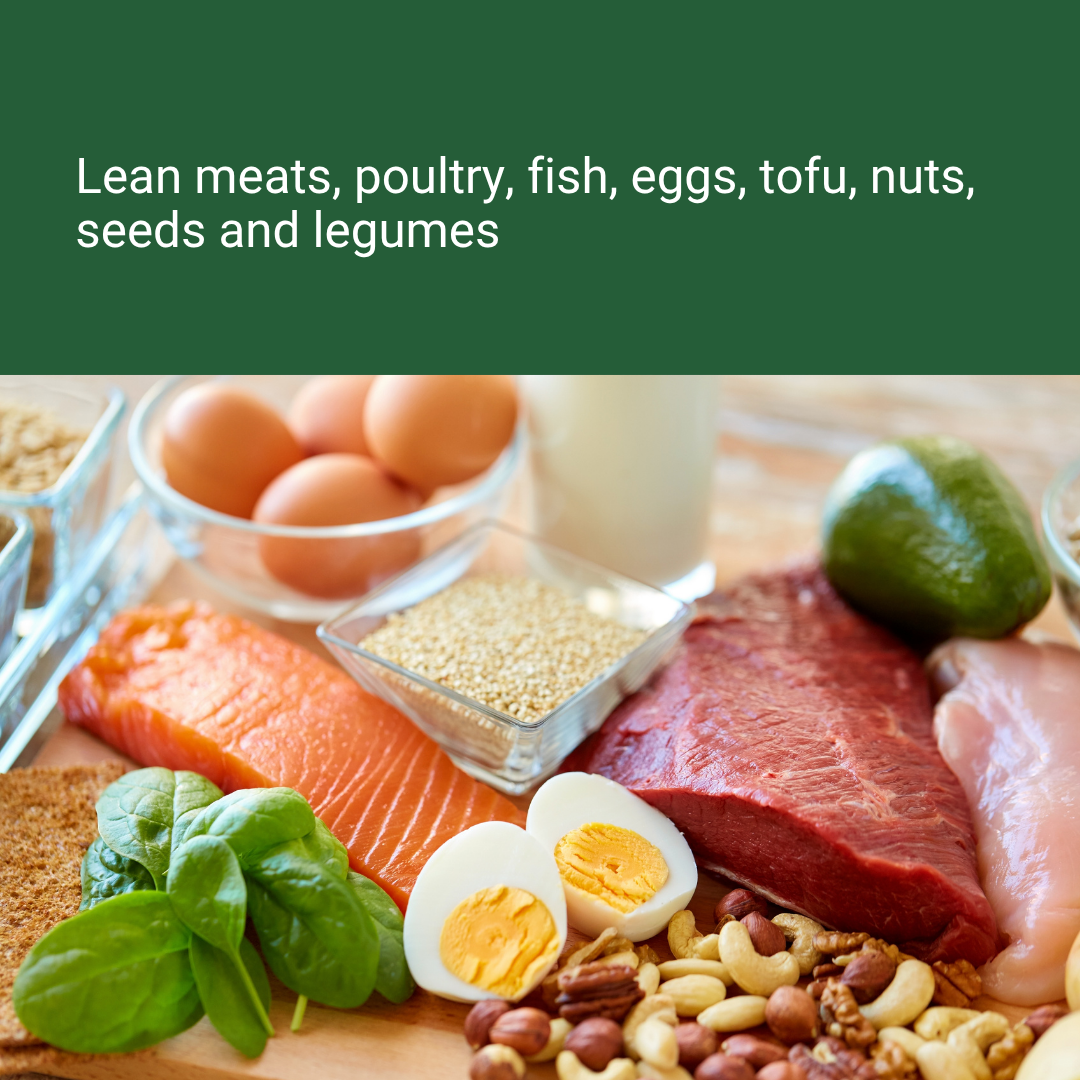
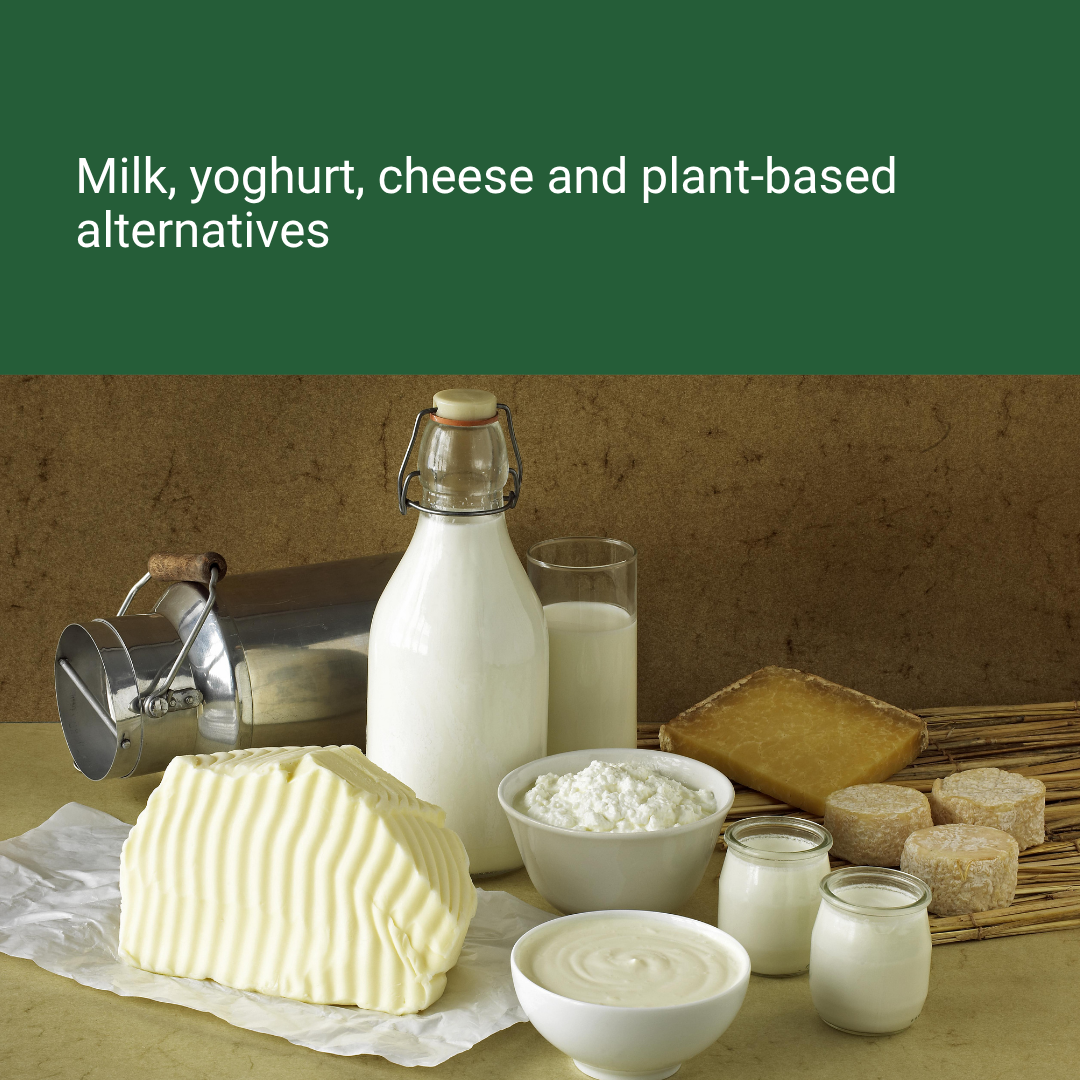
Include a mix of foods: Aim for colourful fruit and vegetables + a grain food + a protein food + a dairy food or alternative.
Choose what works for your day, what food is available, and your appetite.
Feeling hungry after school is normal. For many teens, there is a long gap between lunch and dinner. Study, sport, work or travel can make that gap feel even longer.
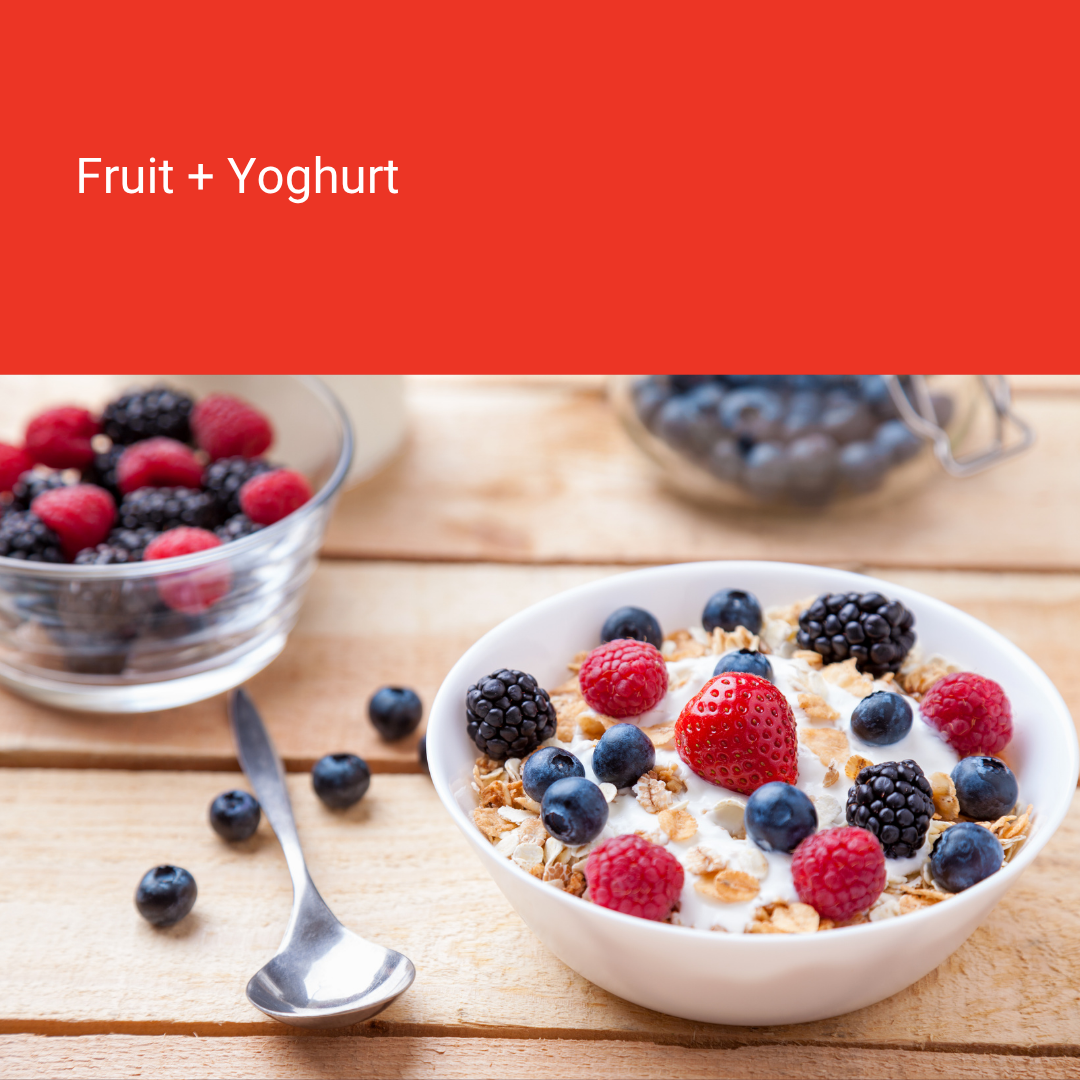
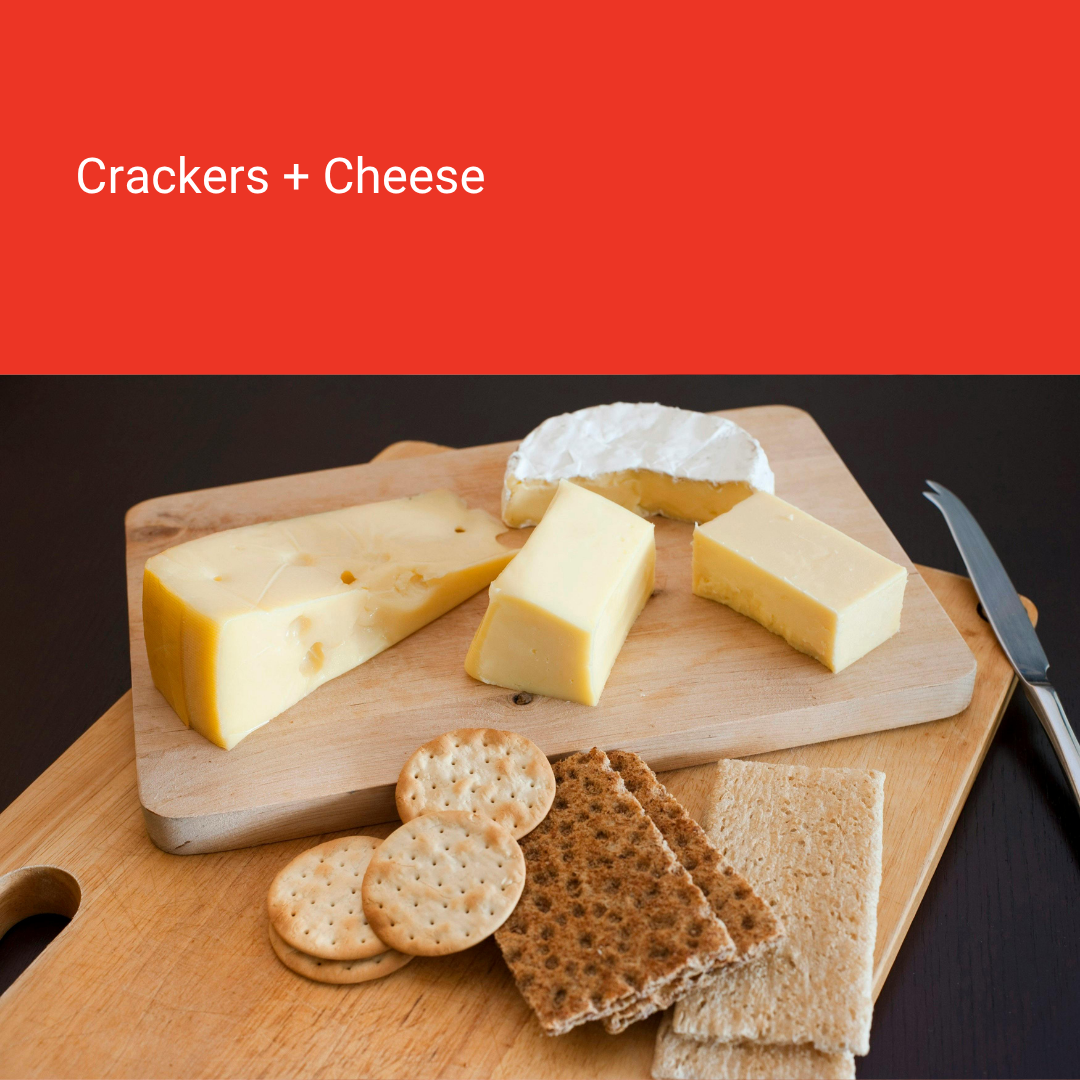
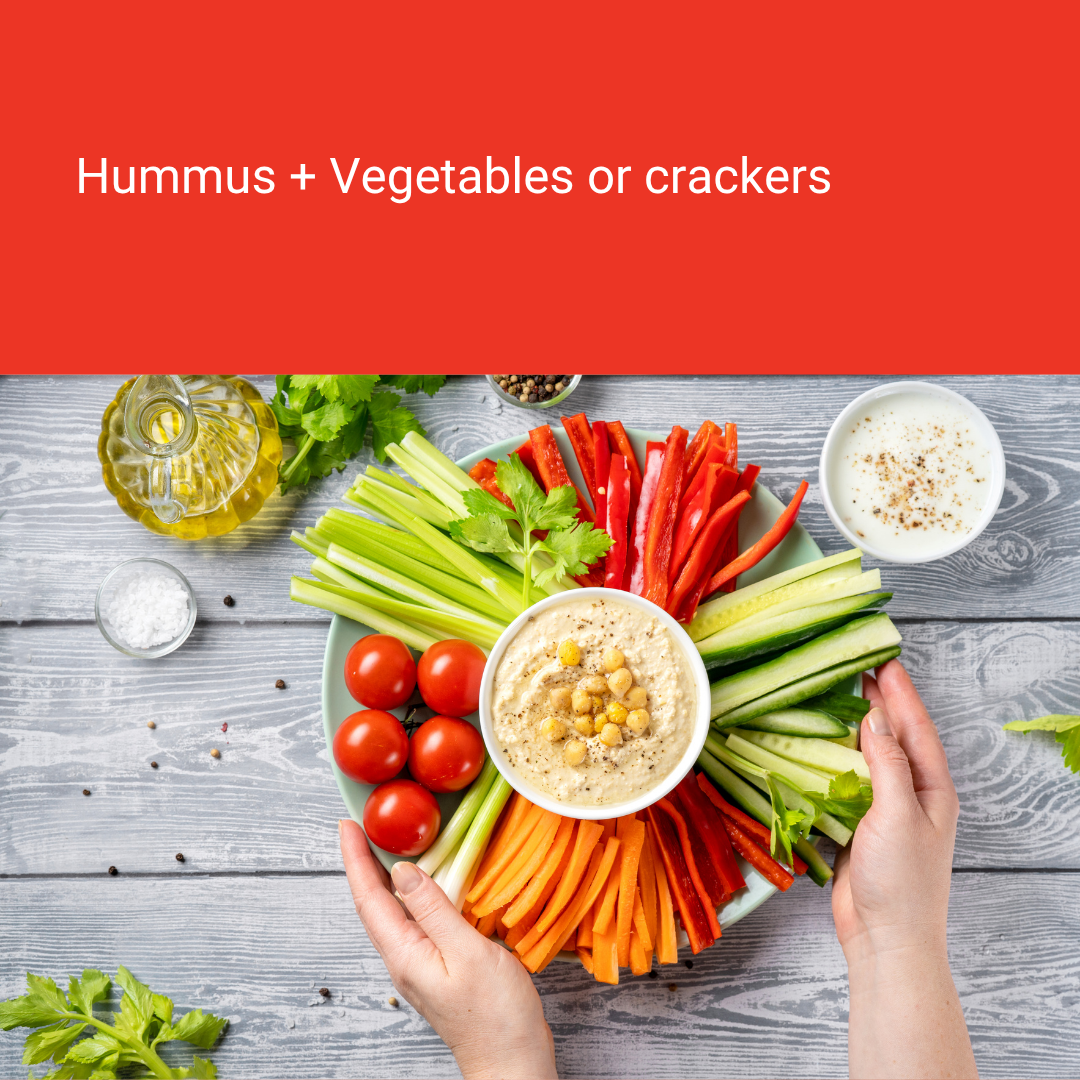
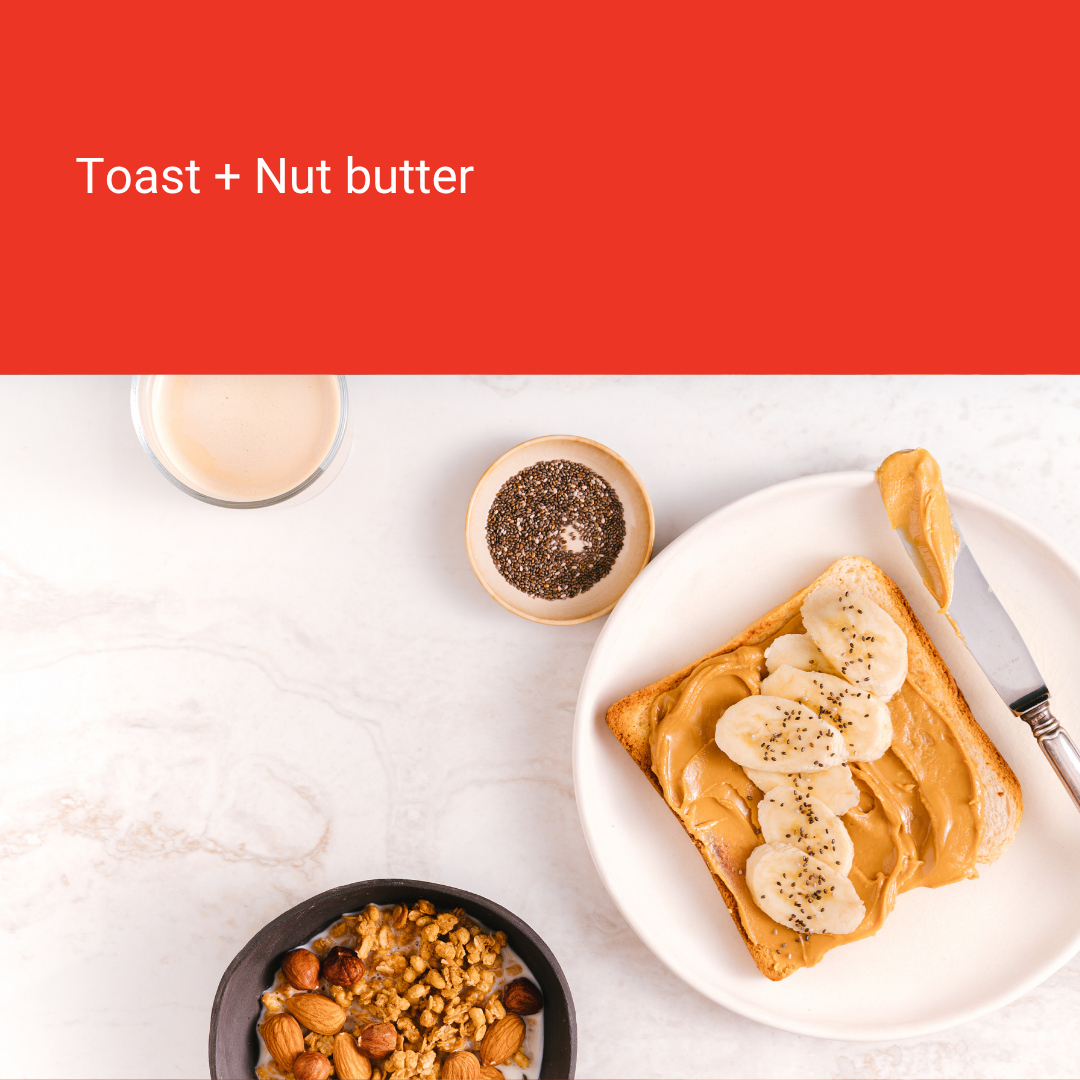
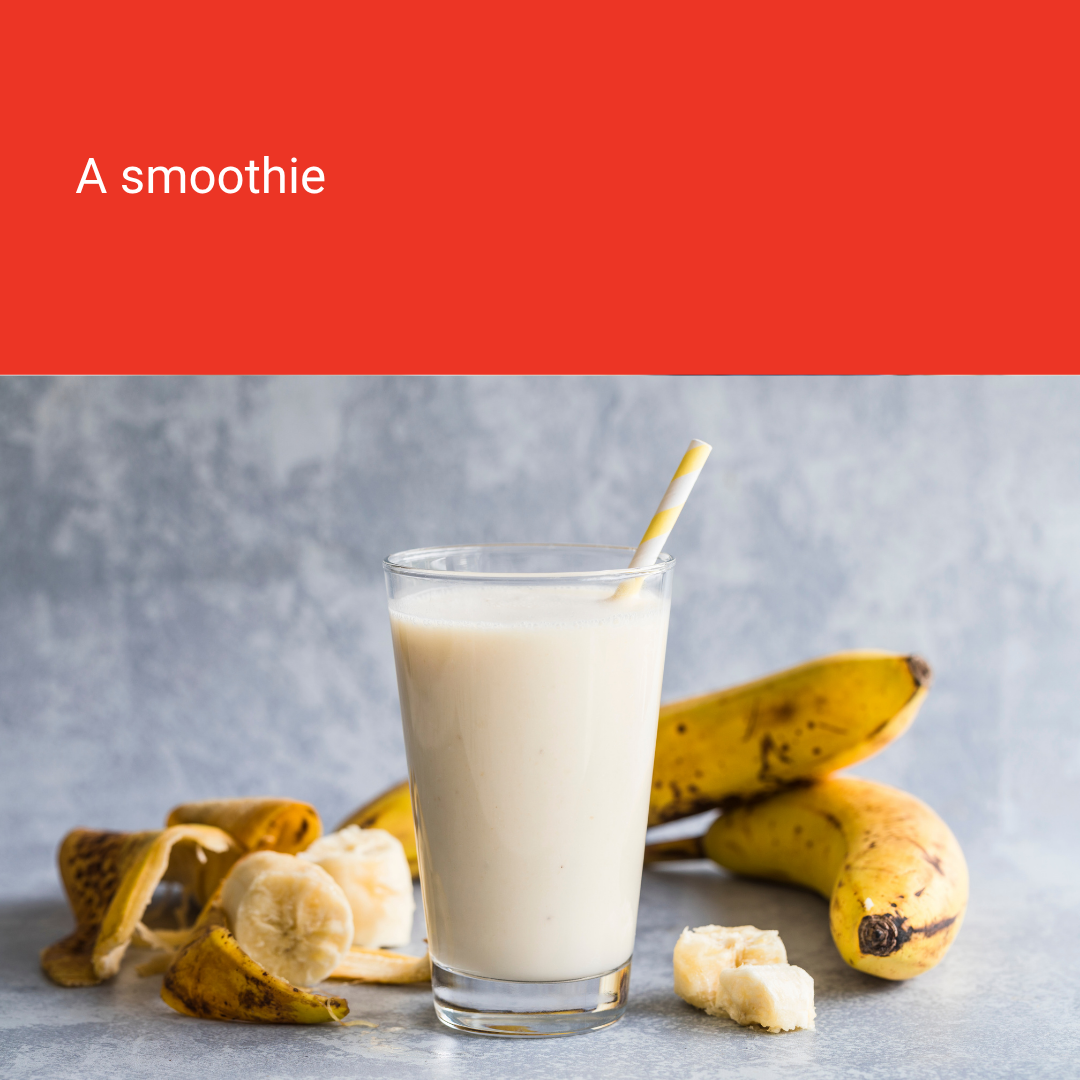
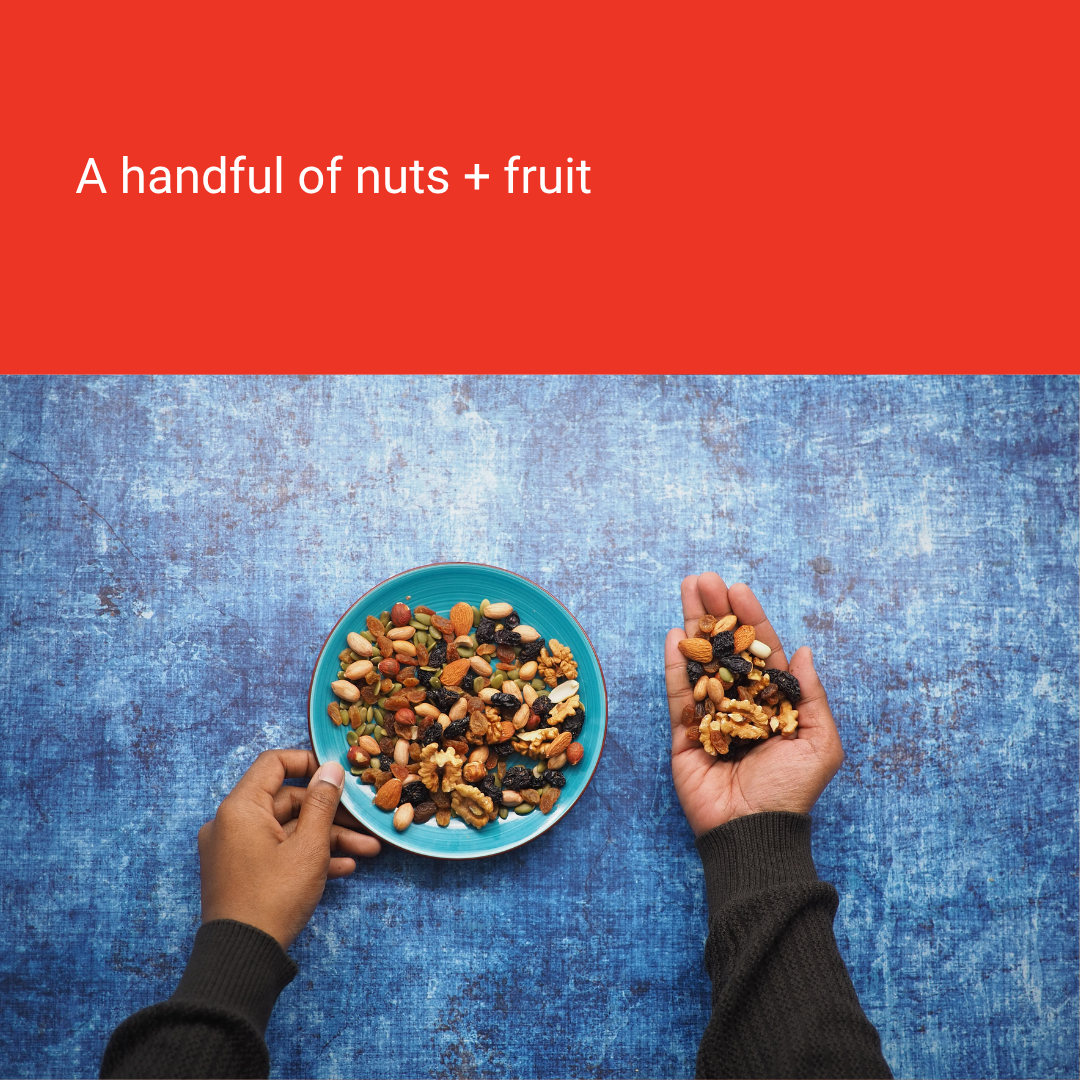
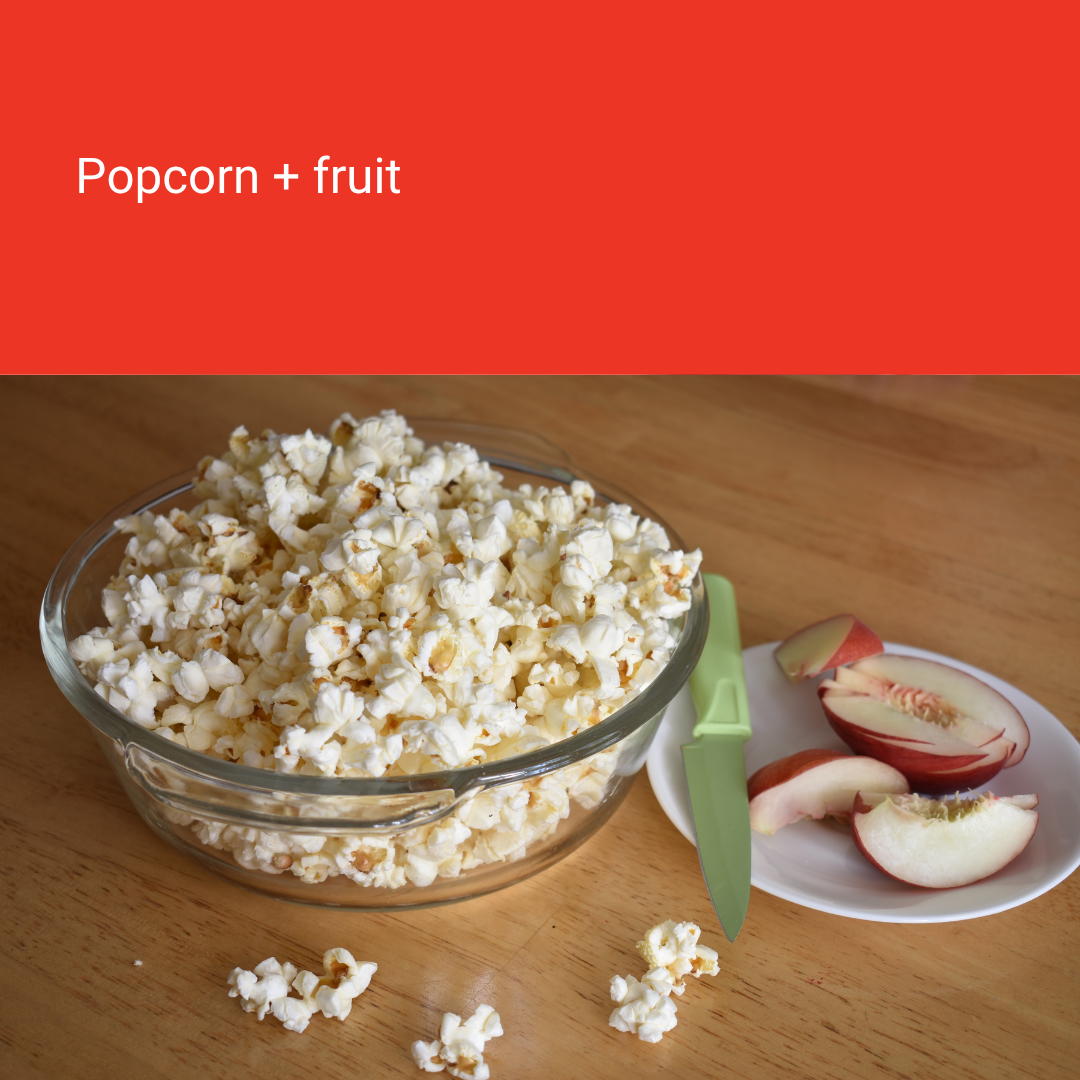
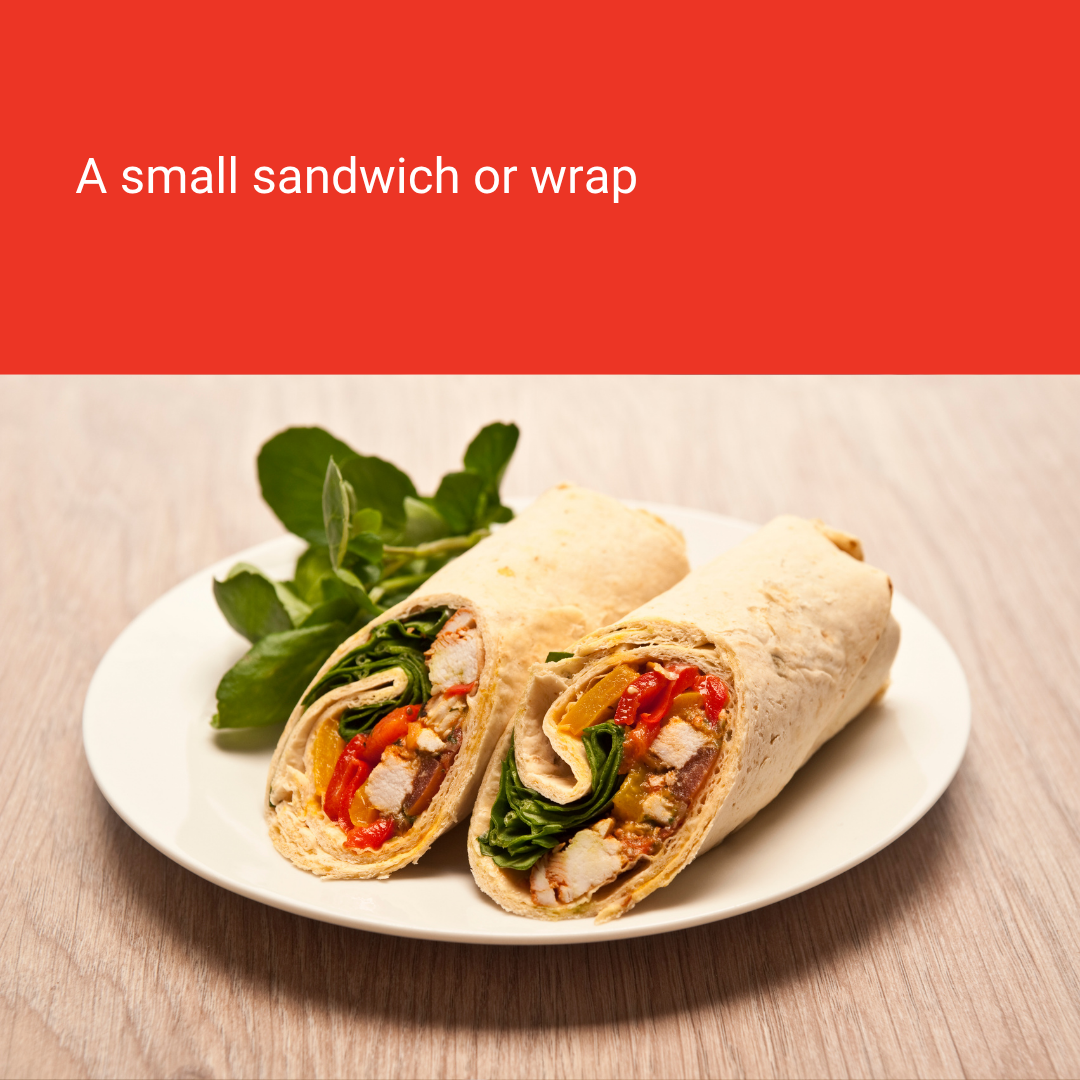
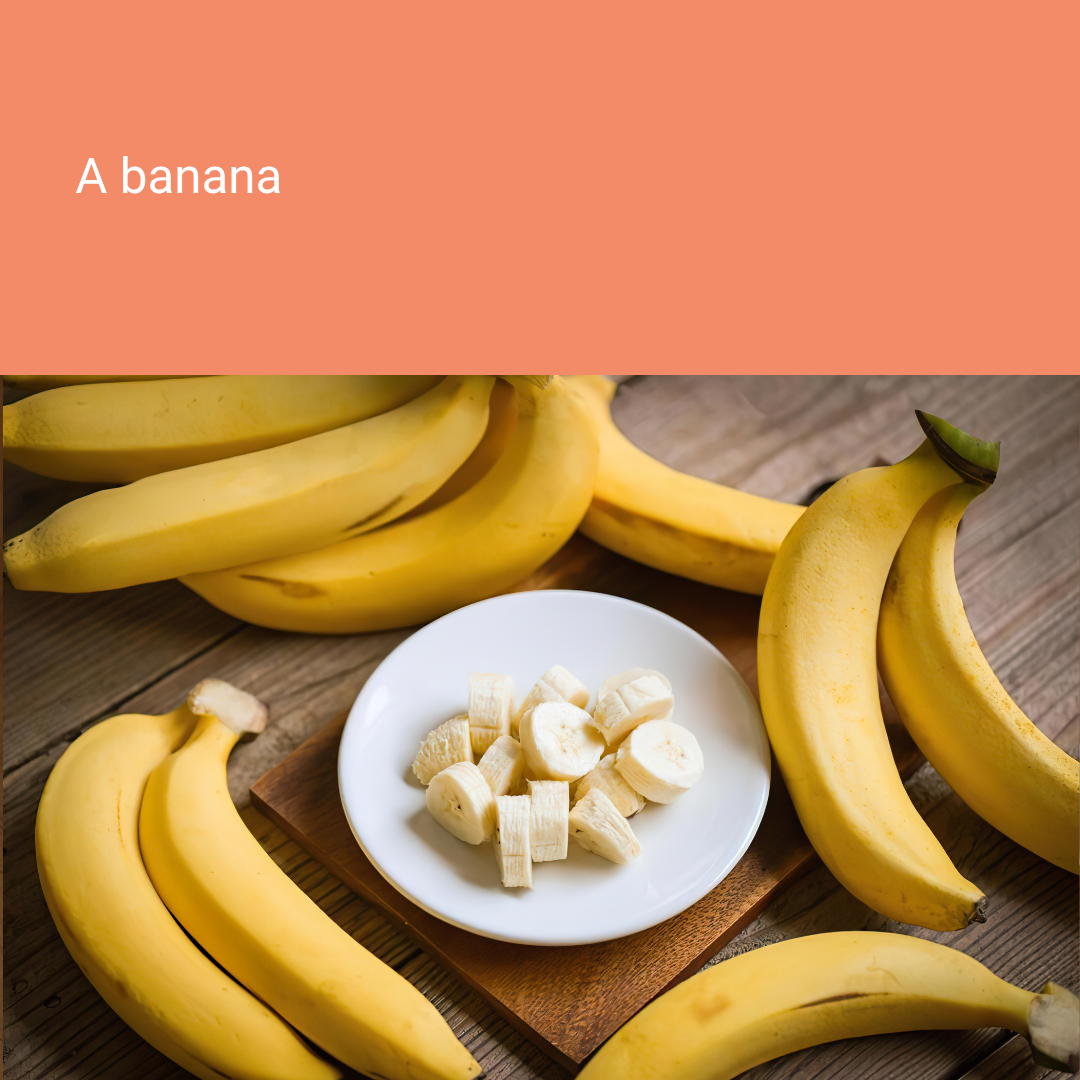
A snack can be a useful way to top up your energy and help you feel satisfied until your next meal.
If you spend a lot of time being active, your body may need extra fuel and fluids. It is important to make sure that you fuel yourself well before and after physical activity.
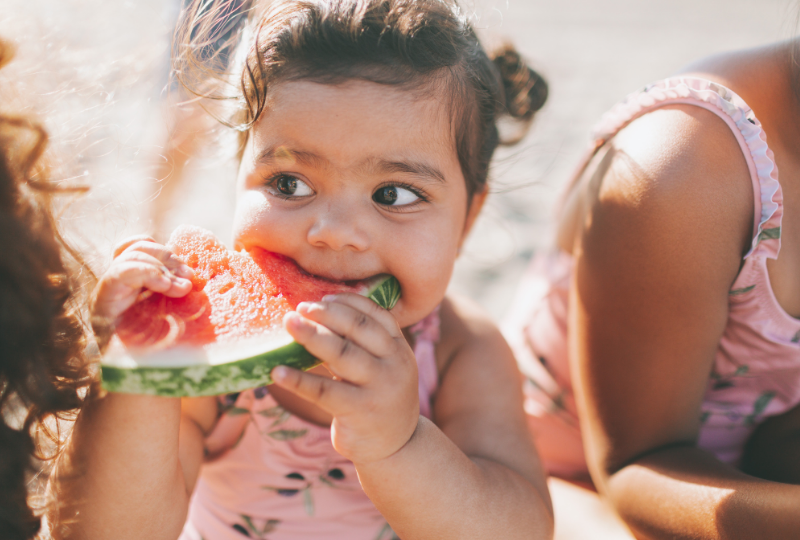
Hydration is especially important if you’re active because water helps the body regulate temperature, replace fluids lost through sweat, and support energy and concentration. Drinking water throughout your day is the best way to stay hydrated.
Your brain is working hard all day in class, at work, during study, online, with friends and when you are learning something new.
Food provides energy and nutrients your brain uses to focus, remember, solve problems and get through busy days.
Regular meals and snacks can help you stay fuelled through school, study and other activities.
Looking after your brain starts with the everyday basics:
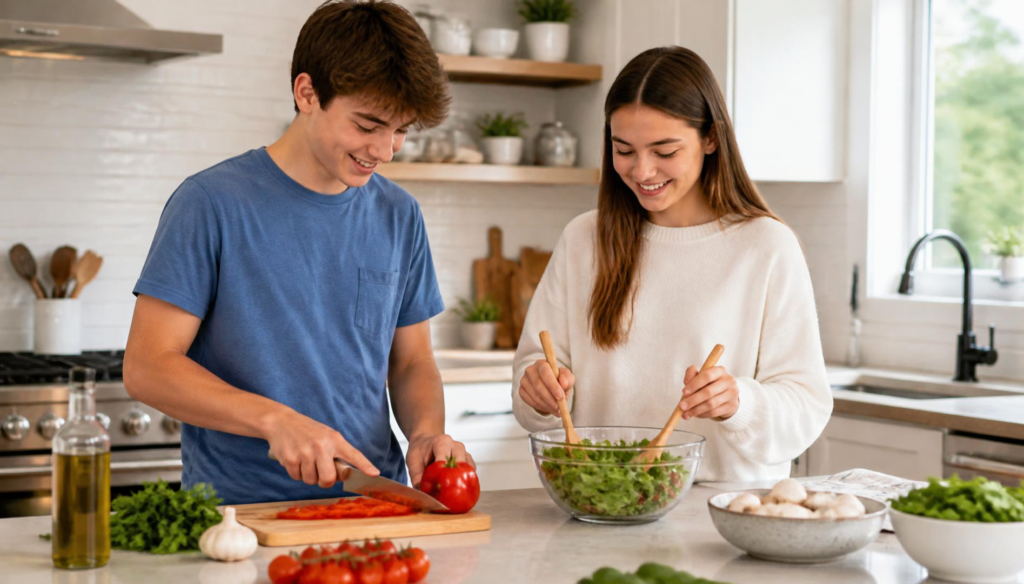
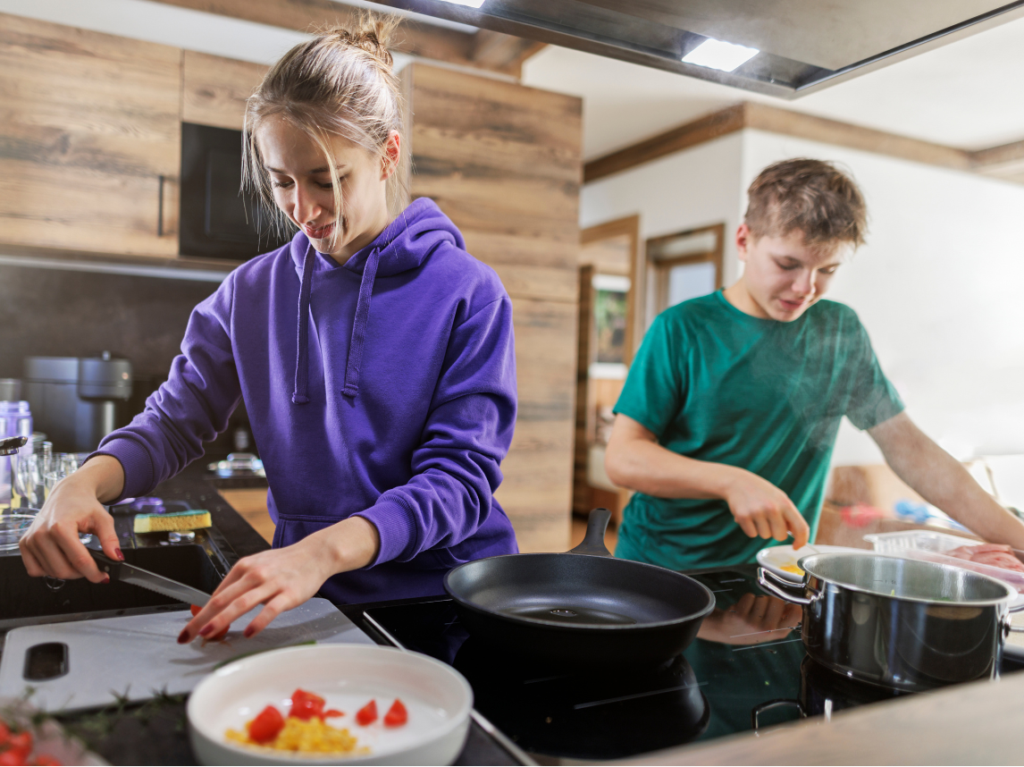
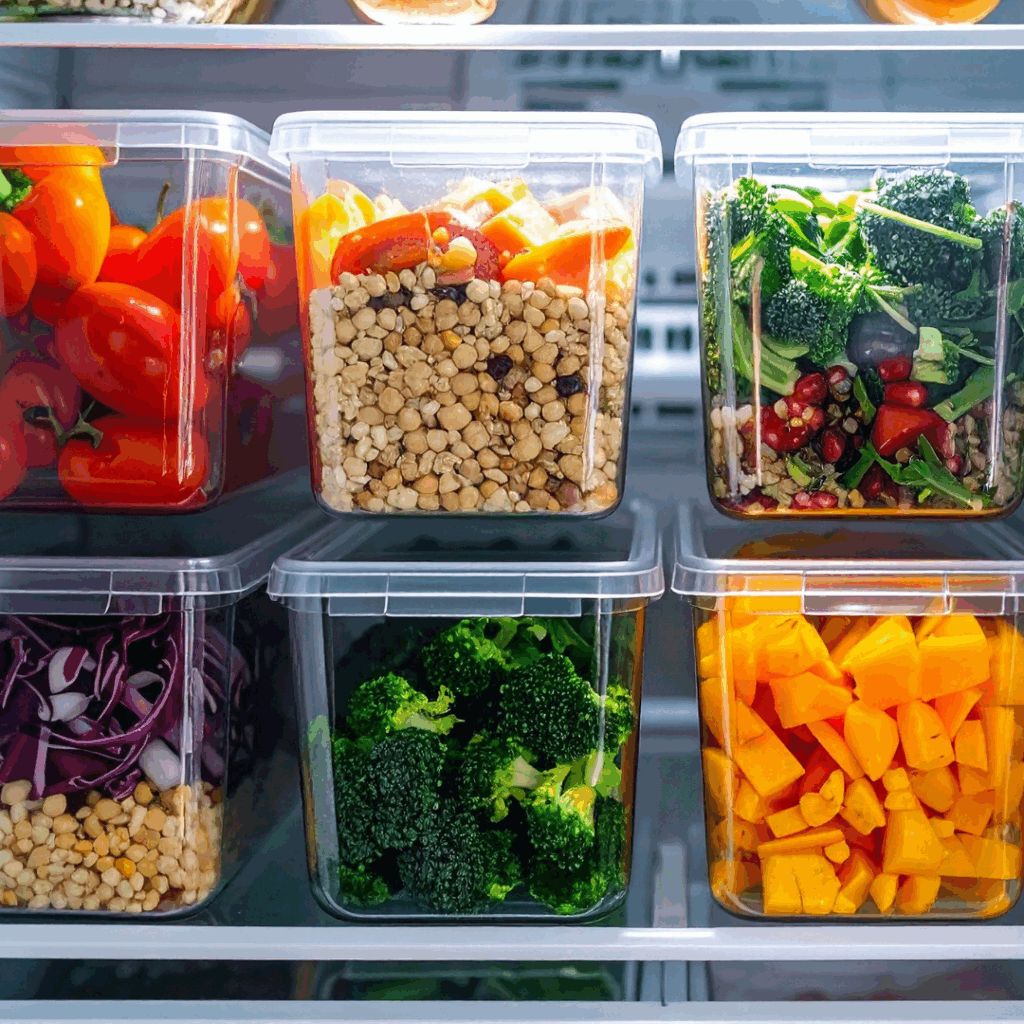
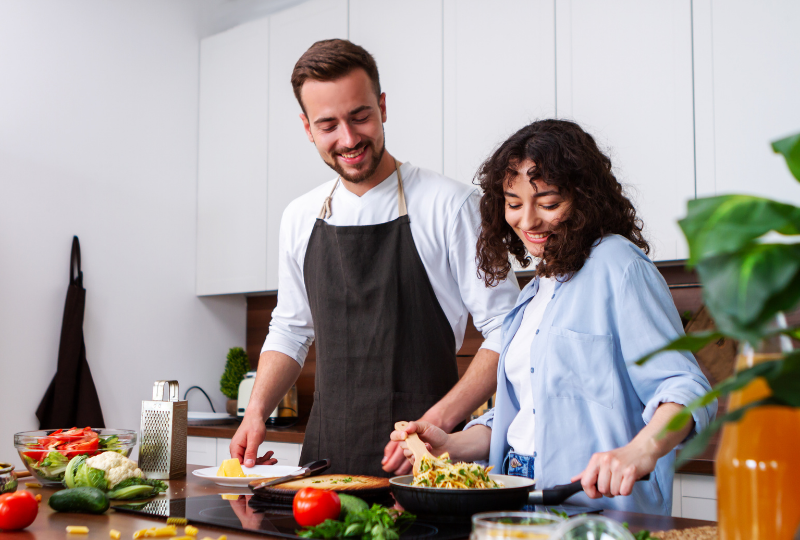
Knowing how to plan and cook your own meals is an important life skill and helps you become more independent, manage your time, and feel more confident doing things for yourself.
Now is a great time to start getting involved in preparing and assembling your own meals.
Have you ever wondered what happens before food reaches your plate?
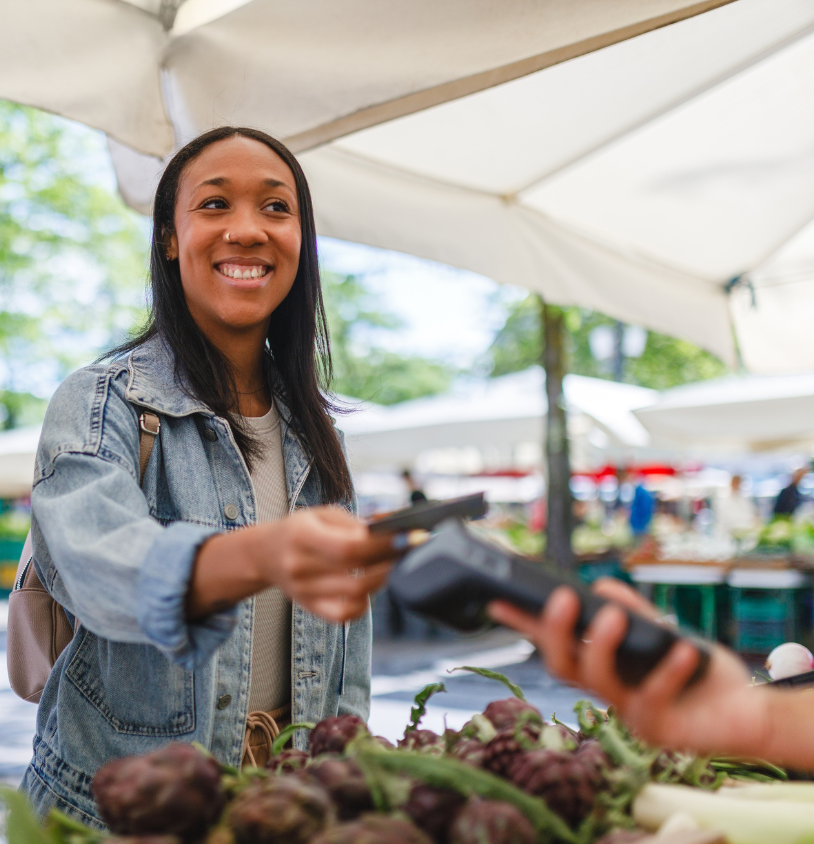
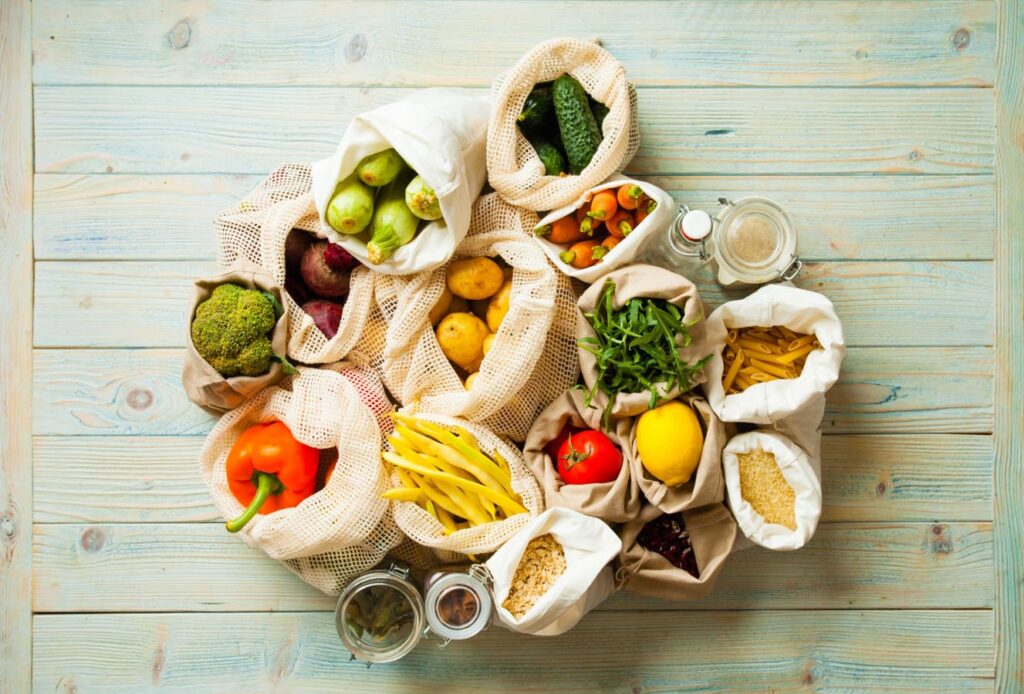
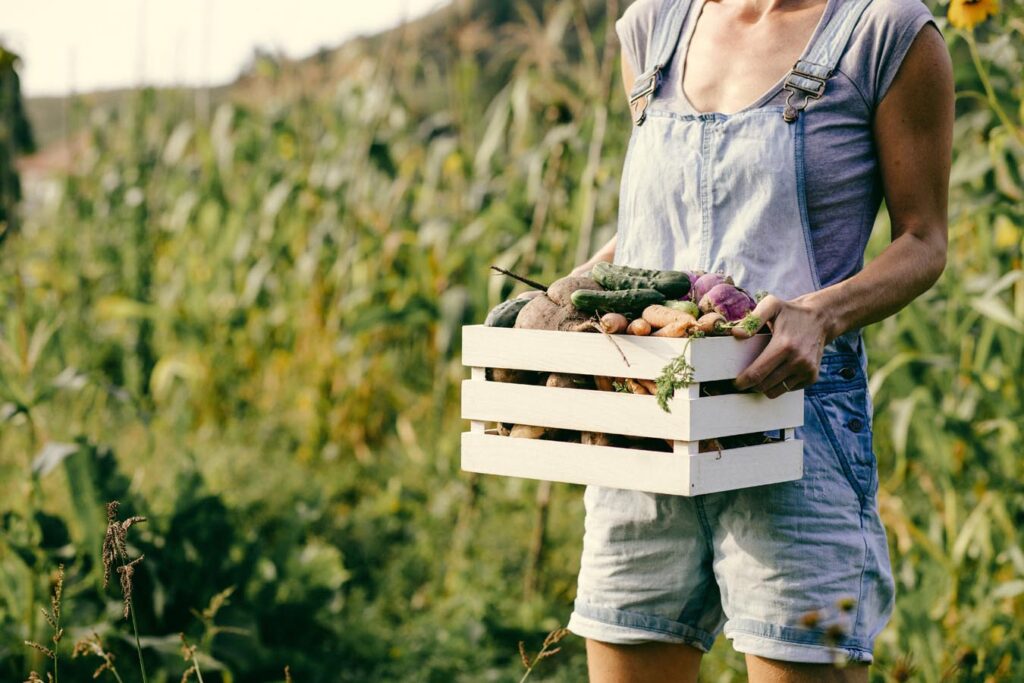
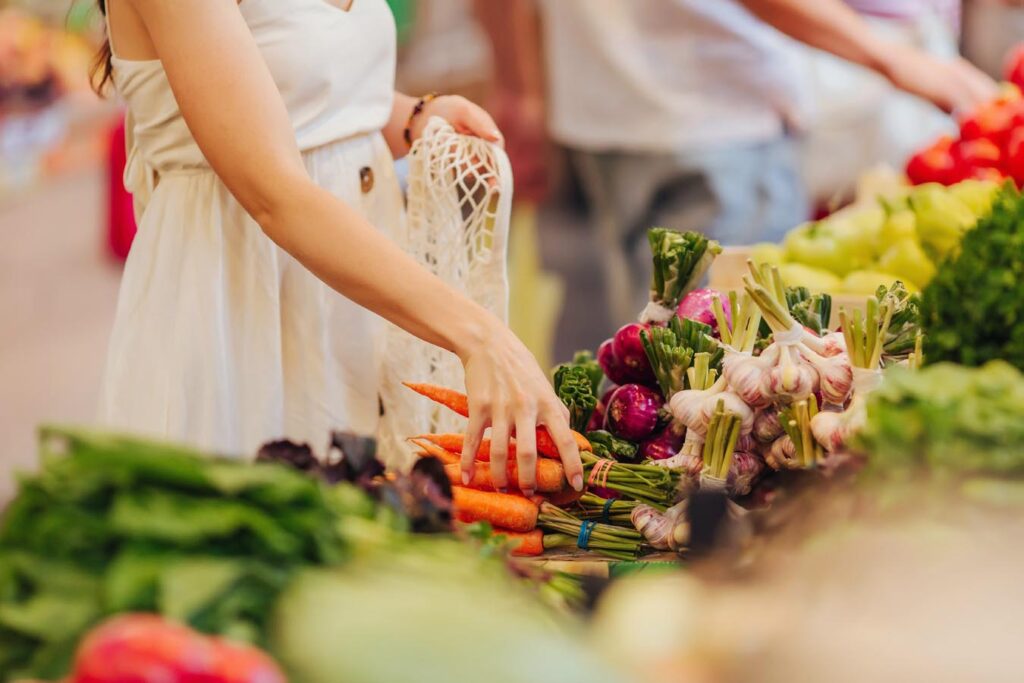
Your food travels through a whole system from farms, to factories, warehouses, supermarkets or restaurants, and into your home before you eat it.
Every step along the way uses valuable resources like land, water, energy, packaging and transport, plus the people who grow, move, sell, cook and eat food.
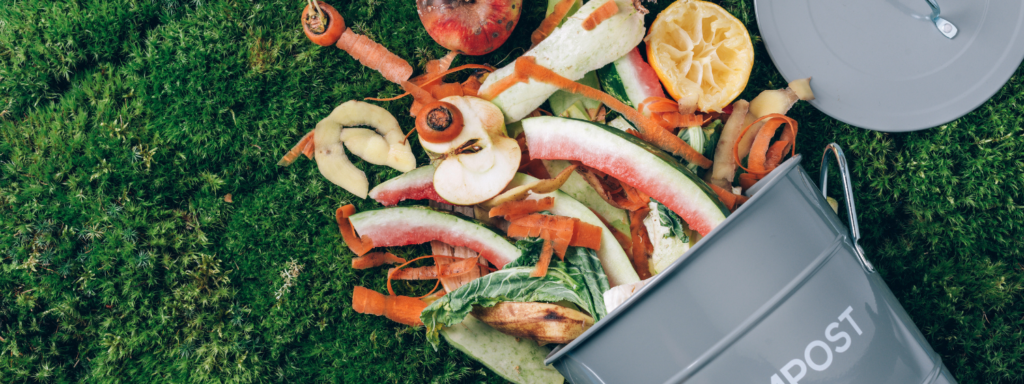
Packaging helps protect food and keep it fresh for longer, but once we’re finished with it, throwing it away uses many of the same resources and adds to waste. Uneaten food also needs to be disposed of, which can have an environmental impact, especially when it ends up taking up space in landfill.
You can help by:
Food isn’t just about what’s on your plate. It can show who you are, where you come from, and the people and places that matter to you.
Your food culture could include:
Australia has an amazing mix of food and cultures. You might love food from your own culture, another culture, or a mix of different influences.
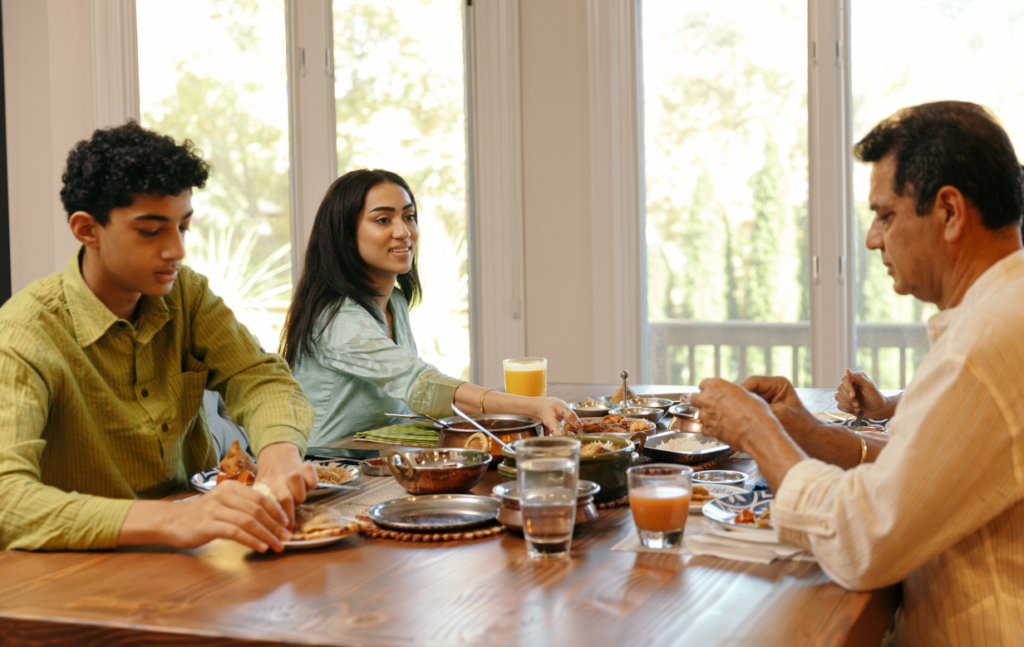
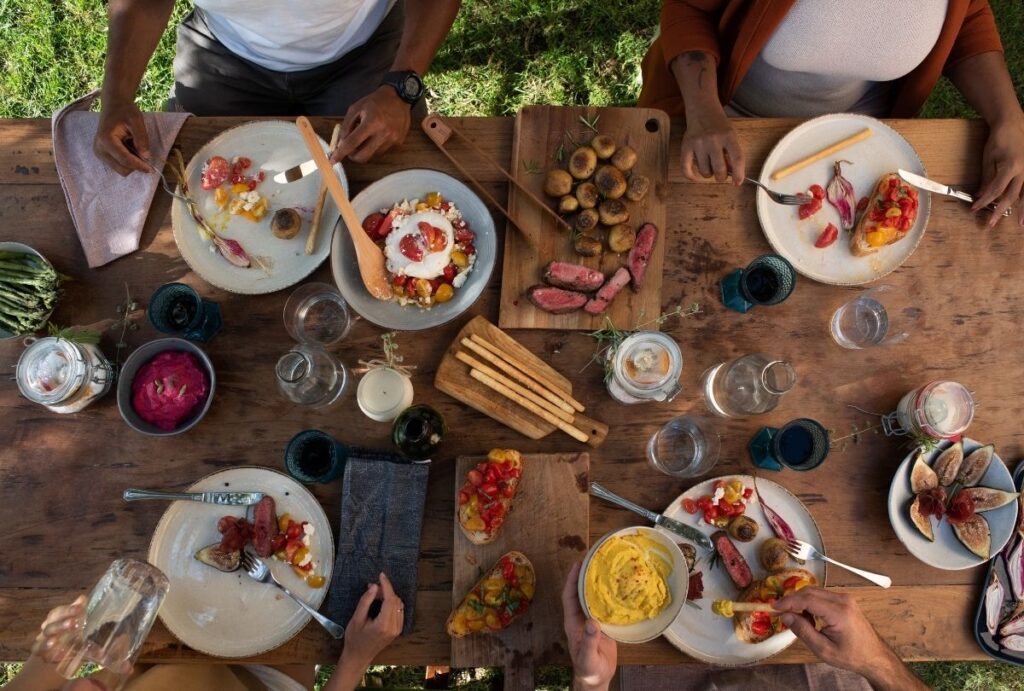
Food traditions can bring people together at celebrations, family gatherings or even everyday meals. Cooking with parents, grandparents or other family members is also a great way to learn new skills, hear stories and discover where recipes came from.
Your food culture is part of what makes you, you – so explore it, share it, try new things and create your own food traditions.
Explore more useful resources.