By Toni Gam, Industry Engagement Manager, Grains and Legumes Nutrition Council (GLNC)

By Toni Gam, Industry Engagement Manager, Grains and Legumes Nutrition Council (GLNC)
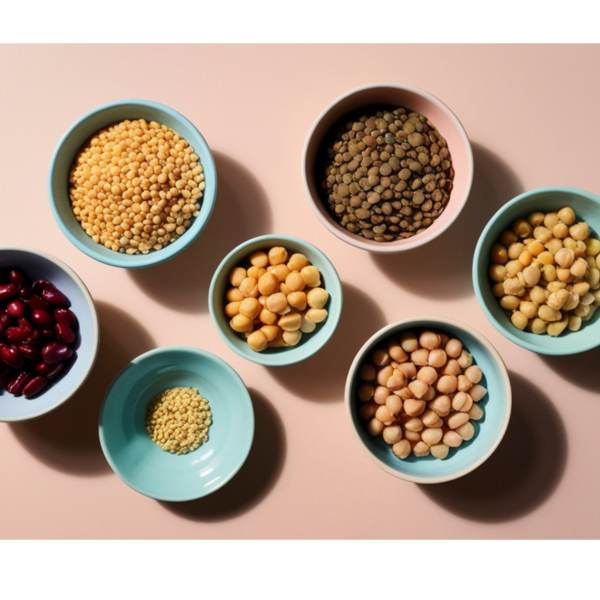
From 9 to 15 February, GLNC is celebrating Pulses Week, timed with World Pulses Day on 10 February, shining a spotlight on nutrient-packed legumes like chickpeas, lentils, kidney beans, baked beans, and more. These versatile ingredients are incredibly nutrient-dense, packed with protein, fibre, iron, B vitamins, and magnesium. Yet most Australians aren’t eating enough of them, often because they’re unsure how to prepare them or include them in meals. (1) Legumes can feel intimidating if you’re not used to cooking with them, but once you start experimenting, you’ll see just how versatile and easy they can be.
Legumes are rich in fibre that supports healthy digestion and helps maintain a balanced gut microbiome, while the combination of protein, iron, and other minerals makes them an important part of a balanced diet.
Including legumes regularly in the diet is linked with reduced risk of chronic conditions such as heart disease and type 2 diabetes. (2)
They’re also environmentally sustainable: they use less water than other protein sources and improve soil health.
Beyond the nutrition and sustainability, legumes are incredibly flexible in the kitchen. Lentils work well in soups, stews, and curries, while chickpeas can be roasted for a crunchy snack, blended into dips like hummus, or added to salads and grain bowls. Kidney beans and baked beans are easy ways to sneak extra protein and fibre into everyday meals.
Recent research with Australian adolescents highlights how underused and misunderstood legumes are.
Only about 18% of high school students eat legumes at least twice a week, with many unsure of what a legume is. (3)
Barriers to legume consumption include limited knowledge about cooking legumes, lack of appealing options at home, and the perception that legumes are complicated to prepare.
With that in mind, you don’t need to be a MasterChef to enjoy legumes. Here are some simple tips to start including pulses in your meals:
Add a handful of cooked lentils to your favourite soup or stew.
Make a big pot of chickpeas or beans and use them in salads, wraps, or stir-fries throughout the week.
Hummus, black bean dip, or lentil spreads are quick, delicious, and perfect for lunchboxes.
Use canned beans for convenience, as they’re ready in minutes. Just rinse and add them to your meal.
Blend pulses into smoothies, make veggie burgers, or toss them into pasta and grain bowls.
By experimenting with different types of legumes, you’ll find flavours and textures that the whole family can enjoy.
Why not turn Pulses Week into a mini challenge? Try including at least one legume-rich meal every day this week, and share your creations with friends or family, or on social media, and see how easy and delicious pulses can be. It’s a simple, fun way to boost your nutrient intake and support sustainable eating habits.
So, let’s take this week as a chance to level up with legumes.
For recipes, tips, and practical ideas to make pulses part of everyday meals, head to the Grain & Legumes Nutrition Council website and check out their Pulses Week Recipe eBook.
Continue exploring and discover fresh insights, expert tips, and the latest news from our nutrition team.