By Romi Stern, Project Officer, National Nutrition Foundation

By Romi Stern, Project Officer, National Nutrition Foundation
Working as a secondary school Food Science teacher, I had a front-row seat to the ways food brings students together and sparks curiosity. Food was part of my classroom every day, and I loved seeing students engage with it through learning, culture, creativity, and connection, not just through nutrients. Lunchtimes and lessons were full of opportunities to support young people as they developed their own relationship with food.
That experience showed me just how powerful everyday food conversations can be. When they are kind, inclusive, and curiosity-driven, lunchbox moments can help students feel supported and energised for learning. What might seem like a small interaction can have a lasting, positive impact.
Here are some ways to nurture a positive food culture in the classroom, recognising the thought and care that goes into every lunchbox:
Children absorb our language faster than we realise. When we speak positively about food, we set the tone.
Talking about food in ways that celebrate enjoyment, variety, and how it helps our bodies feel good makes a real difference. The goal is nourishment and energy, not perfection.
You might say things like:
These small comments help students understand that food is something that supports our bodies and brings enjoyment.
One of the most helpful shifts we can make is moving away from what is actually in the lunchbox and toward how food supports students to learn, grow, play and feel great. This same approach can guide how we deliver nutrition education in the classroom!
When we focus on how students feel and function after eating, we gain much more meaningful insight. Rather than commenting on appearance, portion sizes, or labelling foods as good or bad, we can focus on energy, mood, mental clarity, strong bodies, and the ability to learn, play, and concentrate. Also, it’s important to reinforce that everyone’s food is valid, the overall goal is nourishment and energy, not perfection.
Simple, open questions can open up great conversations, such as:
These questions encourage reflection and help students tune in to their own bodies.
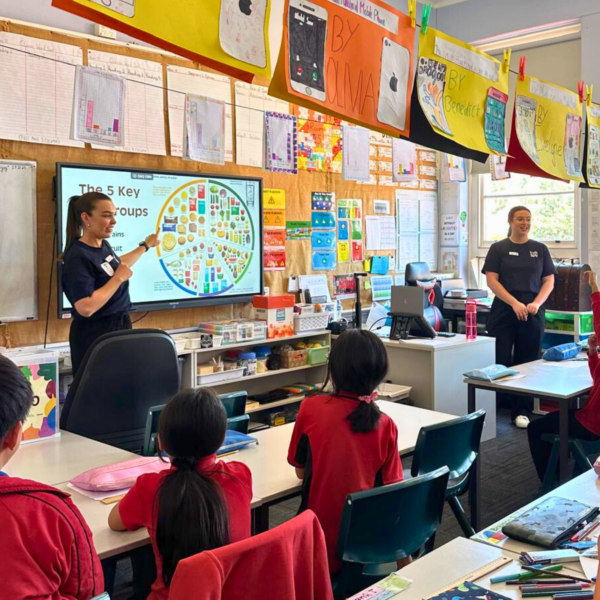
For more support bringing inclusive, practical nutrition education to life, freshSNAP offers hundreds of free, curriculum-aligned lesson plans, classroom activities, and training opportunities. Explore their K-10 suite of resources here!
When lunchbox conversations are approached with curiosity and respect, they become opportunities for partnership and support. Recognising that lunchboxes are thoughtfully packed by parents to nourish and energise their child can help build trust and understanding.
Sharing observations and working together to support a child’s wellbeing strengthens collaboration and shows families that their efforts are valued.
For example, you might say:
This kind of language keeps the focus on the child and reinforces that everyone is working toward the same goal.
Lunchboxes often reflect culture, tradition, preferences, and family routines. They provide a wonderful opportunity to celebrate difference and build understanding.
Encourage kindness and curiosity by using respectful, inclusive language, such as:
When diversity is welcomed, students learn to respect each other not only around food, but across many areas of life.
These moments call for warmth, care, and discretion.
Support the child quietly and respectfully, whether that is through a school provided snack, a buddy system, or access to extra food. Where possible, check in on how the child is feeling rather than focusing on the absence of lunch.
If you have concerns, follow school wellbeing processes and seek additional support as needed.
Every family supports nutrition in different ways across the day. Teachers see just one part of a student’s day, so it helps to keep a broad and open perspective on nutrition and wellbeing.
Lunch is only one small snapshot of a much bigger picture.
A whole school approach brings together all parts of the school community, including teachers, leaders, families, and canteen staff. This shared approach helps promote consistent, positive food and wellbeing practices for every student.
When messages are aligned across classrooms, canteens, school communications and other shared spaces, students feel supported and more confident to make the choices that are right for them.
If your school is looking for support to build a consistent, positive food culture, freshSNAP can help. FreshSNAP offers free resources, training, and guidance for teachers, canteens, parents and school staff, making it easier to align classroom practice with a whole school approach to nutrition and wellbeing.
To learn more about how freshSNAP can support your school community, visit the freshSNAP website.
For more resources and support to communicate confidently about food and nutrition, explore:
Lunchtimes packed with purpose: A practical guide from National Nutrition Foundation and The Embrace Collective that helps teachers support children to build positive, lifelong relationships with food and their bodies.
The Embrace Collective: Engaging, evidence-based resources supporting positive body image for young people
Butterfly Foundation: Support for Australians impacted by eating disorders and body image issues.
Eating Disorders Families Australia: Support for families and carers of those living with an eating disorder.
Romi is dedicated to empowering individuals and communities with the skills and knowledge they need to thrive.
Drawing on her experience in public health nutrition and education, she brings evidence-based knowledge to life through a practical, engaging approach to inspire confidence, wellbeing and a lifelong love of good food.
Continue exploring and discover fresh insights, expert tips, and the latest news from our nutrition team.